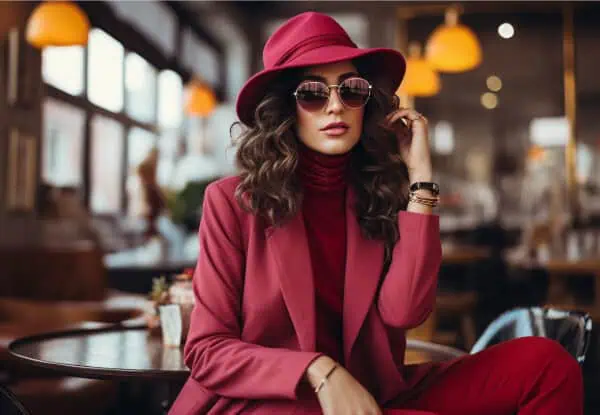
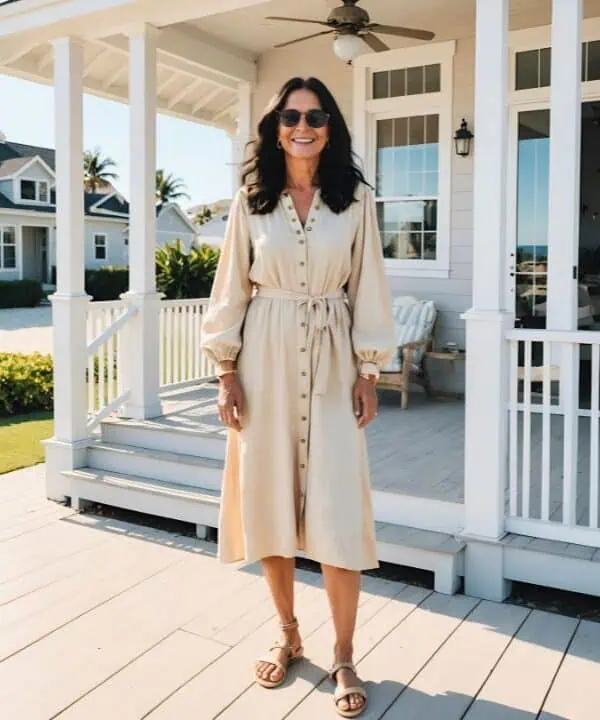
Trends move fast, but style lasts because of the small, consistent decisions made every day. According to stylists, the most polished women are rarely the ones wearing the newest items they’re the ones making thoughtful choices that support proportion, comfort, and cohesion. These choices don’t shout for attention, yet they quietly shape how an outfit is perceived. While trends come with expiration dates, these details remain relevant year after year. They communicate intention, self-awareness, and confidence. The following small style choices are repeatedly identified by stylists as more influential than trends because they elevate outfits in subtle but powerful ways.
Table of Contents
1. Choosing Fit Over Size Labels
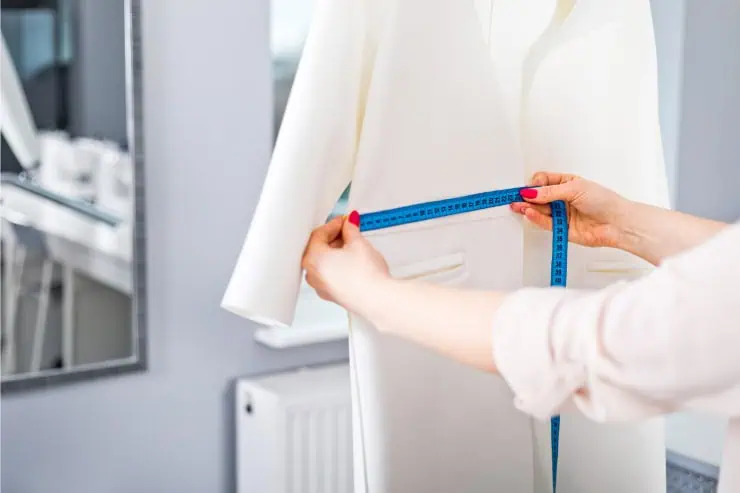
Stylists consistently emphasize that fit matters far more than the number on a tag. Clothing that fits well regardless of size immediately looks more polished and intentional. Many women hold onto garments that technically fit but don’t sit correctly on the shoulders, waist, or hips. These subtle misalignments affect the entire outfit. Confident dressers focus on how clothing moves and feels rather than what the label says. Tailoring small details like sleeve length or pant hems often makes a bigger impact than buying something new. Fit communicates self-respect and awareness, which reads as style maturity rather than trend compliance.
2. Repeating What Works Instead of Chasing Variety

Stylists often note that repetition is a sign of confidence, not limitation. Women with strong personal style tend to repeat silhouettes, colors, and outfit formulas that consistently work for them. Rather than reinventing their look each season, they refine it. This repetition creates a visual signature and removes uncertainty from getting dressed. Trends encourage constant change, but repetition builds consistency and confidence. When outfits feel familiar and supportive, they’re worn better. Stylists say this quiet consistency often makes women appear more put together than those constantly experimenting with new trends.
3. Paying Attention to Proportion, Not Fashion Rules
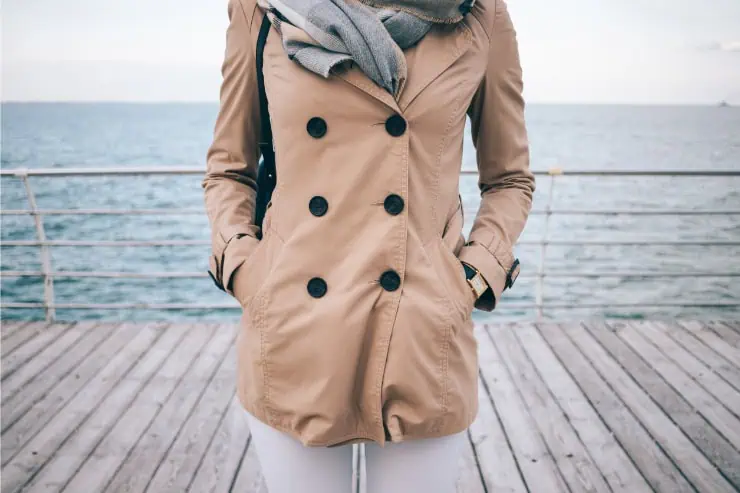
Proportion is one of the most overlooked style elements, yet stylists agree it matters more than trends or rules. Where a hem hits, how layers interact, and how volume is balanced all affect how an outfit reads. Women who understand proportion dress with ease because they adjust clothing to their body rather than forcing themselves into trend-driven shapes. This might mean choosing mid-rise pants over ultra-high rise or opting for slightly shorter jackets for balance. Proportion-based dressing creates harmony, which is far more impactful than following seasonal fashion directives.
4. Selecting Colors That Support the Face
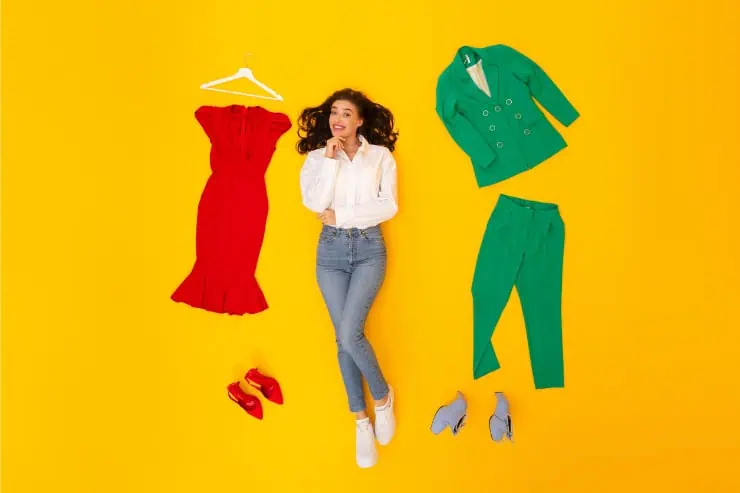
Stylists repeatedly stress that flattering color choices outperform trendy palettes every time. Colors worn near the face influence how skin tone, brightness, and overall vitality are perceived. Women who dress with intention choose shades that add warmth and clarity rather than washing them out. Trend colors may look exciting on the rack but unflattering in real life. Knowing which colors consistently work reduces wardrobe waste and decision fatigue. This choice signals experience and self-awareness. When color supports the wearer, the entire outfit feels elevated without relying on trend relevance.
5. Finishing Outfits Instead of Over Styling Them

Stylists often say that confidence shows in completion, not excess. An outfit doesn’t need more layers or accessories it needs thoughtful finishing. Clean shoes, a structured bag, or intentional jewelry signal that the look is complete. Over-styling, on the other hand, can feel uncertain or forced. Women who prioritize finishing touches understand when to stop. This restraint creates clarity and sophistication. Trends often encourage maximalism, but stylists agree that knowing when an outfit is finished is a far more valuable skill than adding another trendy element.
6. Dressing for Real Life, Not Aspirational Moments
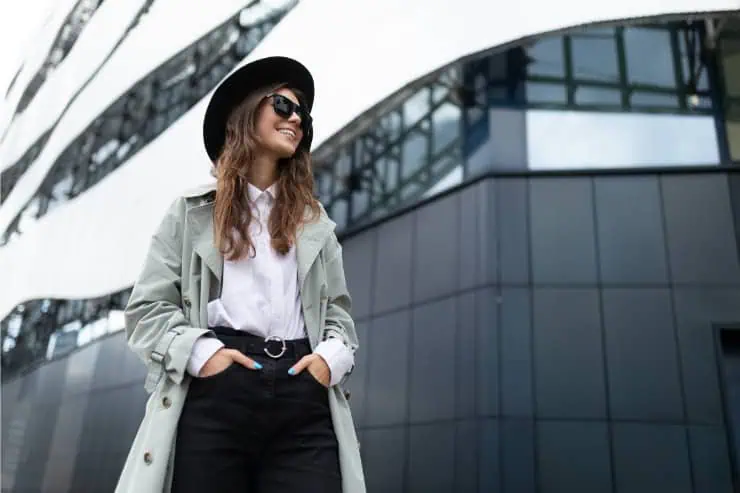
One of the most important small choices is aligning clothing with actual lifestyle needs. Stylists observe that wardrobes built for imaginary versions of life lead to frustration and unused clothes. Women who dress well consistently choose items that work for their daily routines. This makes outfits feel natural and comfortable. Dressing for real life allows clothes to be worn with confidence rather than hesitation. Trends often reflect fantasy scenarios, but intentional style reflects reality. When clothing supports how you move through your day, confidence becomes effortless.
7. Prioritizing Comfort That Looks Intentional
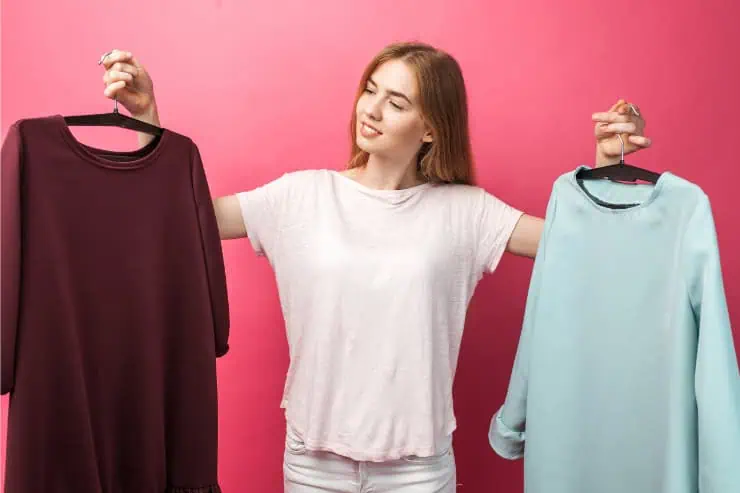
Stylists agree that comfort is non-negotiable but it must look planned. Comfortable clothing signals confidence when it’s styled thoughtfully rather than defensively. Soft fabrics, flat shoes, and relaxed silhouettes can appear polished when paired with structure and clean lines. Women who dress confidently don’t apologize for comfort; they incorporate it strategically. This choice reflects maturity and self trust. Trends may promote discomfort in the name of style, but intentional comfort consistently reads as confidence. It shows the wearer values herself over external validation.