Every Valentine’s season brings a wave of ultra-romantic fashion trends that promise softness, femininity, and charm, but many of these pieces are designed more for aesthetic fantasy than real-life wearability. While they may look appealing in styled photos or themed displays, on everyday bodies and in everyday settings they often overwhelm proportions, feel costume-like, or read overly juvenile rather than elegant. True romantic style should feel refined, intentional, and subtly alluring not theatrical or saccharine.
Table of Contents
1. Excessive Ruffles That Add Volume Instead of Softness
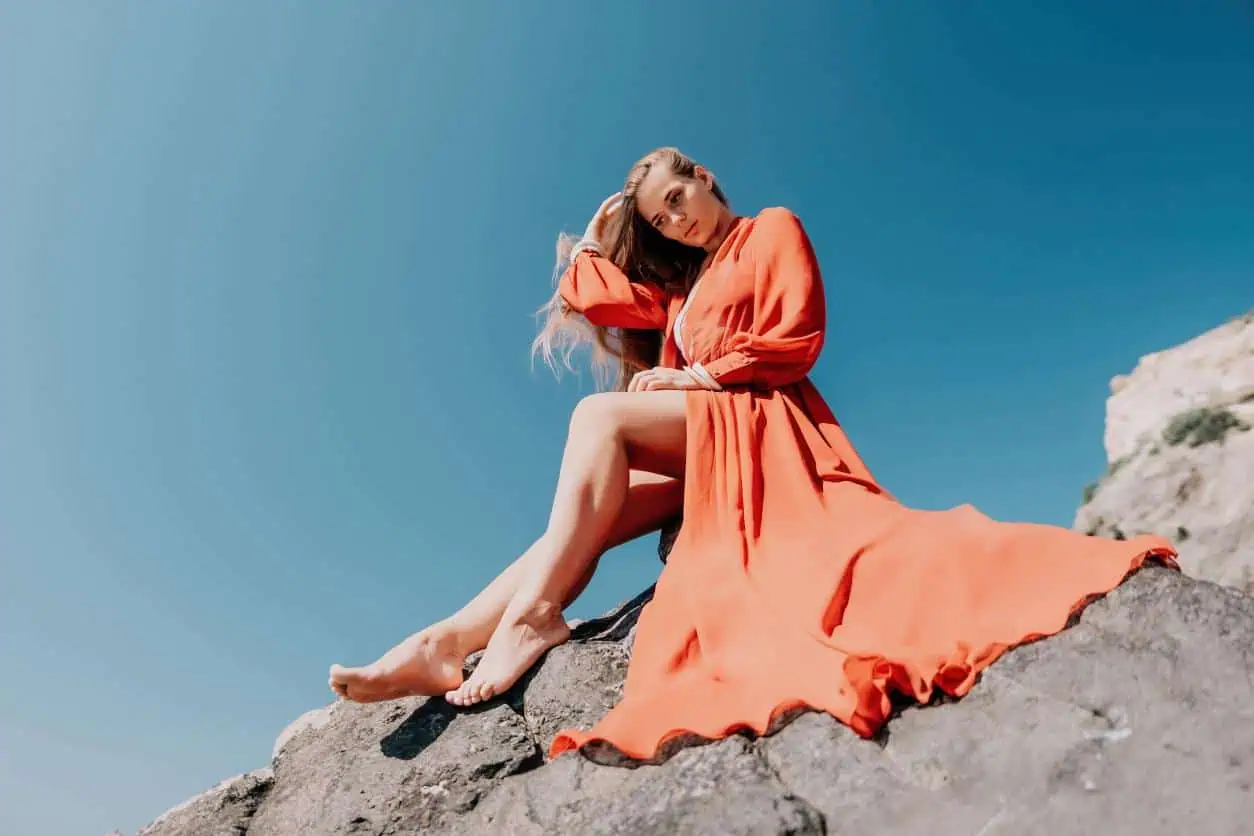
Ruffles are often marketed as inherently romantic, but when used excessively they create unnecessary bulk and visual clutter that overwhelms the body rather than enhancing it. Tiered dresses, multi-layered blouses, and heavily gathered skirts add horizontal volume that widens the frame and disrupts clean lines, especially through the torso and hips. Instead of appearing delicate, the silhouette can look crowded and costume-like, particularly in lightweight fabrics that collapse into frill rather than structure.
2. Head to Toe Pink That Feels Thematic Rather Than Stylish
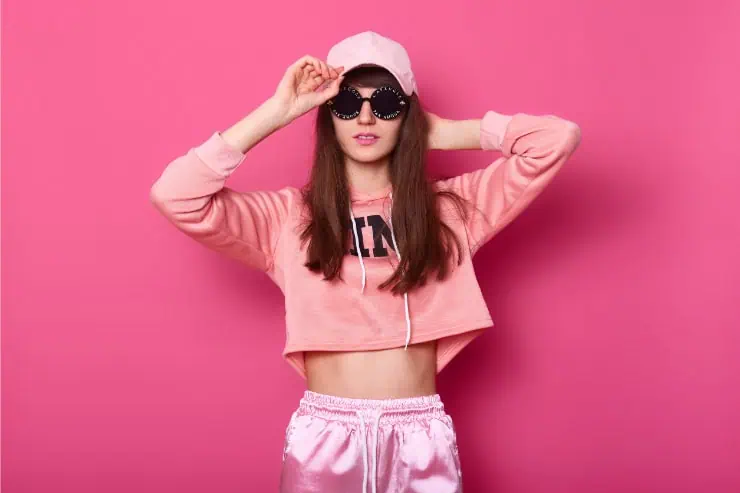
Pink is strongly associated with romance and Valentine’s imagery, but wearing it from head to toe often reads more thematic than sophisticated. Monochrome pink outfits especially in bright or sugary shades can resemble costume dressing because they mirror holiday symbolism rather than personal style. The effect becomes even more exaggerated when accessories, shoes, and makeup all match precisely, creating visual uniformity without contrast. Style depth comes from variation: mixing pink with neutrals, deeper tones, or textured fabrics introduces maturity and balance. When the entire look sits in a single sweet hue, it can feel juvenile or overly precious, particularly outside celebratory contexts.
3. Sheer Lace Everywhere That Compromises Refinement
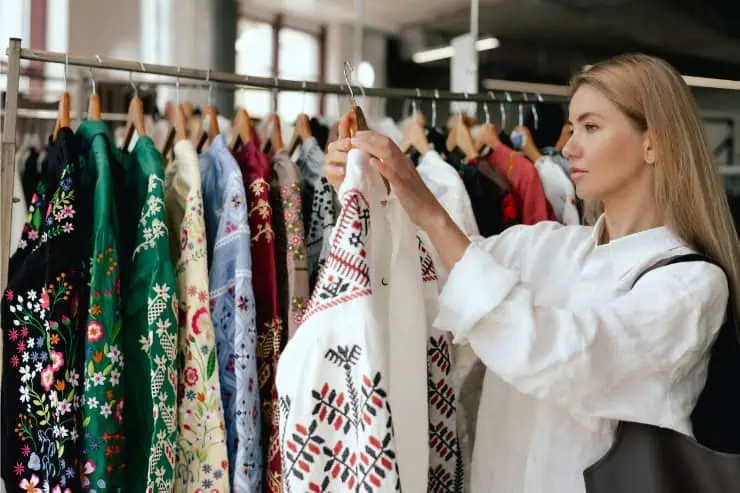
Lace carries undeniable romantic heritage, but garments made almost entirely of sheer lace often sacrifice sophistication for overt sensuality or delicacy. Fully transparent sleeves, bodices, or skirts can create visual busyness and reveal underlayers that disrupt clean lines, making outfits appear fussy rather than refined. Lace works best as a textural accent panels, trims, or overlays where its pattern can be appreciated without overwhelming the silhouette. When used head-to-toe, especially in lightweight or stretchy versions, it can resemble lingerie or costume fabric rather than polished day or evening wear.
4. Heart Motifs That Instantly Date the Outfit
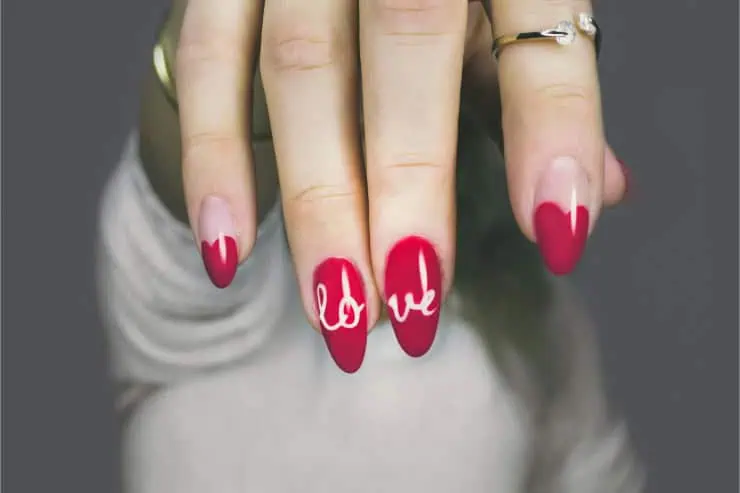
Heart prints and embellishments are among the most literal Valentine’s motifs, and that literalness is exactly what undermines style longevity. When clothing features obvious heart shapes whether scattered prints, embroidery, or hardware the piece becomes visually locked to a single holiday association, limiting how and when it can be worn. The motif often reads playful or novelty-driven rather than sophisticated, especially on adult wardrobes aiming for elegance. Subtle symbolism, such as curved lines, soft draping, or gentle color cues, communicates romance without overt imagery.
5. Overly Puffy Sleeves That Distort Proportion
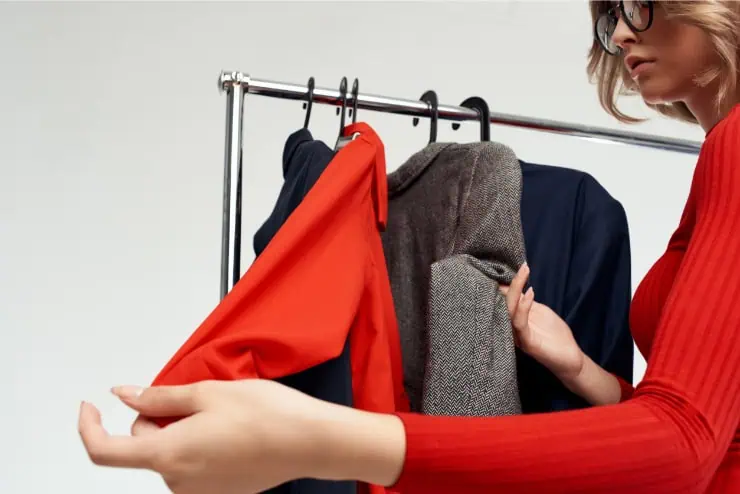
Voluminous puff sleeves have surged in popularity as a nod to historical romance, yet exaggerated shoulder volume frequently distorts body proportion rather than enhancing femininity. Large gathered sleeves expand the upper frame dramatically, which can overpower the torso and create imbalance, particularly on petite or narrow-shouldered figures. Instead of appearing soft or graceful, the silhouette may look theatrical or costume-inspired, especially in sheer or shiny fabrics that amplify size. Gentle sleeve shaping or slight gathers provide romantic influence without structural dominance.