The biggest myth in fashion is that expensive clothing automatically looks better. In reality, fit is what separates a polished outfit from an average one. Most off-the-rack clothing is designed to fit as many bodies as possible, which means it truly fits very few. That’s where alterations come in. Tailoring isn’t about chasing trends or changing your body it’s about aligning clothes with your proportions. Even budget pieces can look high-end when they skim the body correctly, hit at the right lengths, and move the way they should. Stylists know that a $50 outfit with precise alterations will always look more custom than a $500 outfit with lazy fit. Below are five specific alterations that deliver the biggest visual return for the smallest investment.
Table of Contents
1. Hemming Pants to the Exact Shoe You Wear
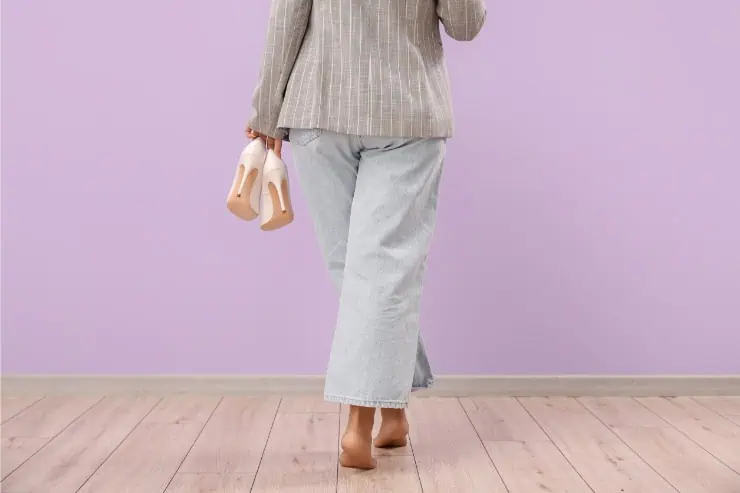
Pant length is one of the fastest giveaways of an off-the-rack outfit. Too long and the fabric pools or creases awkwardly; too short and the proportions feel abrupt or dated. Hemming pants to the exact shoe you actually wear not a hypothetical heel or flat immediately sharpens the silhouette. This alteration restores the vertical line of the body and makes even inexpensive trousers look intentional. Stylists often tailor pants with just a millimeter of clearance above the shoe to avoid dragging while maintaining length. The result is clean, controlled movement. Properly hemmed pants also improve posture and confidence because nothing feels sloppy or accidental.
2. Taking In the Waist (Not the Hips)
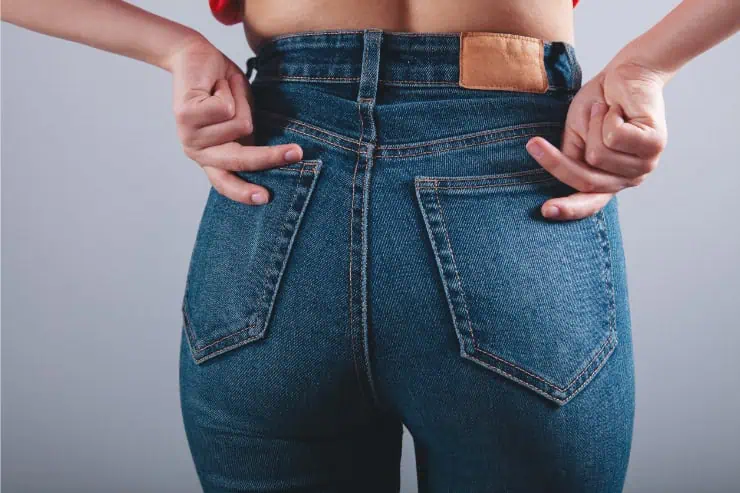
Many people assume tailoring is about slimming everything, but precision matters more than tightness. Taking in the waist without altering the hips or thighs creates shape while preserving comfort. This is especially transformative for dresses, blazers, and trousers that otherwise hang straight down. Off the rack clothing often fits the largest part of the body and sacrifices definition everywhere else. By subtly shaping the waist, garments suddenly look designed for you rather than borrowed from a rack. The change is often just a centimeter or two, but visually it signals custom construction. This single adjustment can make inexpensive garments look dramatically more refined.
3. Shortening Sleeves to Expose the Wrist

Sleeves that are too long instantly cheapen an outfit, no matter the fabric or brand. Excess fabric at the wrist creates bunching, swallowing the hand and breaking the line of the arm. Shortening sleeves on blouses, sweaters, jackets, or coats restores proportion and elegance. Stylists aim for a sleeve length that reveals a sliver of wrist bone, which adds lightness and intentionality. This small detail makes outfits feel styled rather than worn. It also allows accessories like watches or bracelets to show, further elevating the look. Sleeve shortening is one of the most affordable alterations with the biggest visual payoff.
4. Refining the Shoulder Line
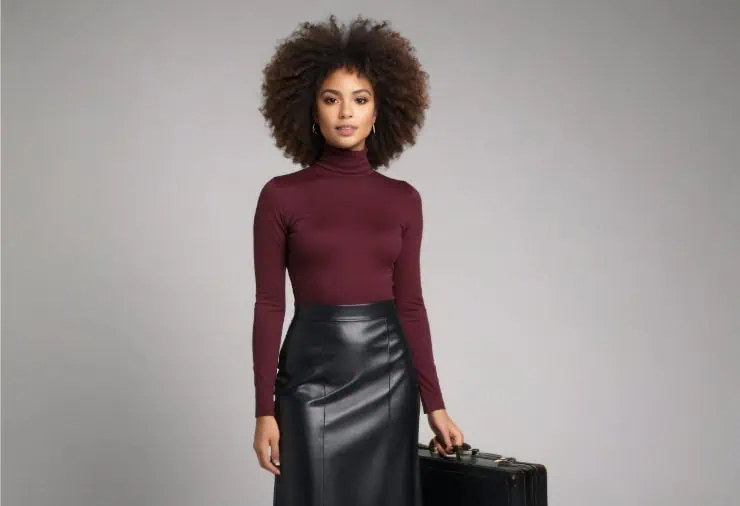
Shoulders dictate how the entire garment hangs. When shoulders are too wide, sloped, or collapsing, even quality pieces look ill-fitting. Refining the shoulder line by adjusting width or correcting slope can completely transform jackets, blazers, and coats. This alteration restores structure and authority to an outfit. While slightly more technical than hemming, it’s worth the investment when done correctly. A clean shoulder line makes garments drape properly through the torso and arms, creating that elusive “custom” feel. Stylists consider shoulders the foundation of tailoring; get them right, and everything else improves.
5. Tapering the Leg or Body Just Enough

Tapering is not about making clothes skinny it’s about removing excess fabric that creates visual noise. Slightly tapering pant legs or the body of a shirt cleans up the silhouette and improves movement. Off the rack items often include extra width for comfort and sizing flexibility, but that excess can look sloppy. By subtly narrowing the leg or torso while preserving ease, garments suddenly appear designed rather than generic. The key is restraint: the best tailoring is invisible. When done well, tapering makes budget pieces look intentional, modern, and custom-fit.