One of the biggest myths in fashion is that being slim or fit automatically guarantees a youthful, modern appearance. As a stylist, I can say confidently that this isn’t true. I see women with strong bodies, great posture, and healthy energy unintentionally age themselves through styling habits that override all of that. These mistakes aren’t dramatic or obvious. They’re quiet, familiar choices that once felt flattering, practical, or “appropriate” and simply never evolved. Fit women are often even more susceptible because they assume their body will carry the outfit. In reality, style always communicates first.
Table of Contents
1. Wearing Clothes That Are Too Tight Everywhere

Being slim often leads women to default to fitted clothing head to toe, assuming it highlights their figure. In practice, this approach can age the body rather than flatter it. When clothes cling everywhere tops, bottoms, jackets the result often feels dated and overly deliberate. Modern style relies on contrast: fitted paired with relaxed, structure paired with ease. Tight dressing everywhere emphasizes effort and can recall silhouettes from decades past. Stylists consistently note that ease reads more current than display. Leaving room for movement creates confidence, while overfitting creates rigidity. Slimness doesn’t require constant emphasis to be effective.
2. Relying on Outdated Denim Cuts

Denim is one of the fastest ways a look becomes timestamped. Slim, fit women often keep jeans they’ve worn for years because they still fit perfectly. Unfortunately, fit is not the same as relevance. Low-rise cuts, overly skinny silhouettes, heavy whiskering, or stiff washes can instantly age an outfit. Because denim anchors so many casual looks, outdated jeans pull everything else backward. Stylists recommend updating denim proportion before buying anything else. A modern rise, relaxed leg, or cleaner wash can make even simple outfits feel intentional again.
3. Overly Polished, Matched Outfits

Perfect coordination can work against slim women by making outfits feel controlled and dated. Matching tops, bottoms, shoes, and bags too precisely removes spontaneity and softness. While polish used to signal elegance, today it often reads as rigidity. Modern style favors cohesion over coordination. Slim women especially benefit from a slightly undone approach mixing textures, tones, and levels of formality. When everything is too perfect, the outfit looks rehearsed. Effortless confidence always appears younger than precision.
4. Dressing Too Youthfully to Prove a Point

Some fit women overcompensate by dressing overly youthful short hemlines, trendy cuts, loud logos, or overtly sexy silhouettes. While fitness supports confidence, chasing youth through clothes often backfires. Stylists see this mistake frequently: the outfit becomes the focus rather than the woman wearing it. Youthful style is not about age-coded pieces; it’s about freshness and intention. Clothes that try too hard to look young often end up emphasizing age contrast instead of minimizing it.
5. Avoiding Structure Entirely

Slim women sometimes assume they don’t need structure because their bodies already provide shape. In reality, too much softness can collapse a silhouette. Unstructured knits, drapey tops, and fluid bottoms worn together remove clarity and presence. Structure doesn’t mean stiffness it means intentional lines. A tailored jacket, defined shoulder, or clean seam adds authority and modernity. Without structure, even a fit body can disappear into fabric, creating an older, less dynamic impression.
6. Defaulting to Safe, Muted Color Palettes
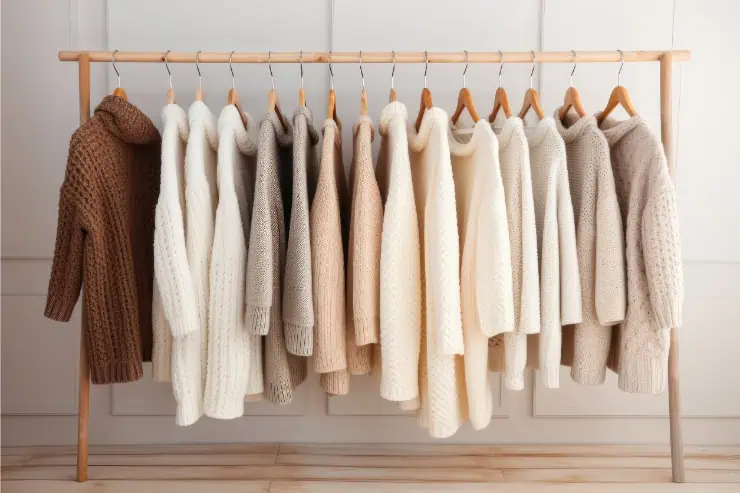
Slimness doesn’t protect against color fatigue. Wearing washed-out neutrals, dull grays, or lifeless beiges near the face can drain energy regardless of body type. Many fit women stick to safe palettes out of habit, not preference. Stylists note that strategic color especially near the face can lift features, sharpen outfits, and signal modernity. This doesn’t require bold hues, just intentional contrast. Color avoidance often reads as caution, which ages far more than any number on a scale.
7. Wearing the Same Silhouettes for Decades

Consistency can quietly become stagnation. Slim women often keep repeating silhouettes that once worked because nothing forces them to change. Over time, these shapes become visual shorthand for a specific era. Stylists emphasize that updating silhouette doesn’t mean abandoning identity it means adjusting proportions. Slightly changing pant width, jacket length, or rise can make a familiar style feel current again. When silhouettes never evolve, the look freezes in time.
8. Choosing Comfort Only Shoes
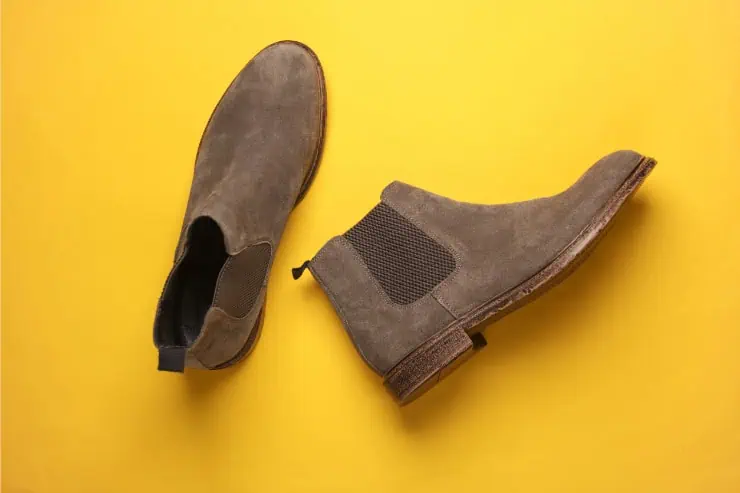
Fit women are not immune to the aging effect of overly practical footwear. Bulky soles, orthopedic shapes, and purely functional designs can undermine even the most streamlined outfit. Shoes ground the entire look. When they feel heavy or outdated, everything else follows. Comfort and style are no longer opposites, but defaulting to comfort-only choices signals resignation rather than confidence. Sleeker, lighter-profile shoes immediately modernize proportions.
9. Ignoring Proportion Because “Everything Fits”

Fit women often assume proportion doesn’t matter because clothes fit easily. This is a mistake. Proportion determines how modern an outfit feels. Long tops with long bottoms, cropped layers stacked together, or awkward jacket lengths disrupt visual balance. Stylists constantly adjust proportion before fit. Even beautiful clothes can age a woman if they’re combined without intention. Proportion is the difference between wearable and editorial.
10. Dressing to Disappear Instead of Stand Firm

Perhaps the most aging mistake of all is psychological. Many slim, fit women still dress to blend in, avoid attention, or stay “appropriate.” This leads to forgettable outfits that lack presence. Style maturity isn’t about shrinking it’s about clarity. When a woman dresses with intention and self-trust, her physical fitness becomes secondary to her confidence. Presence, not size, is what ultimately reads youthful.