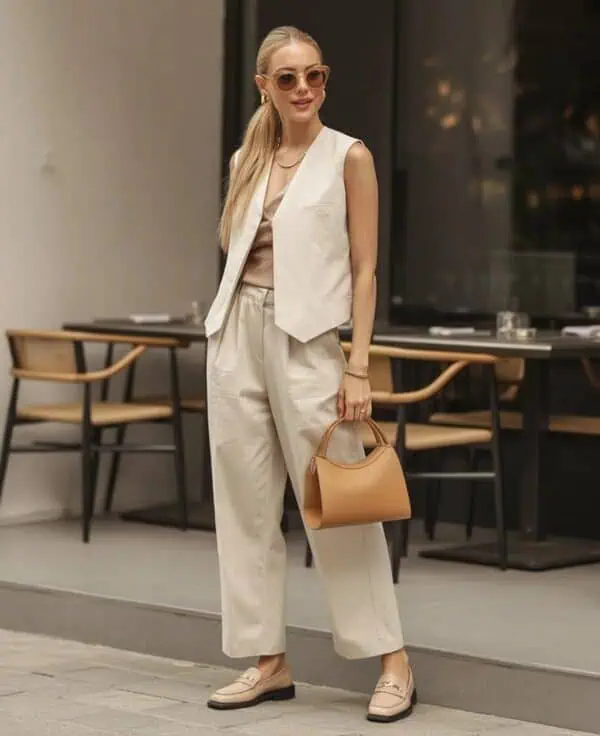
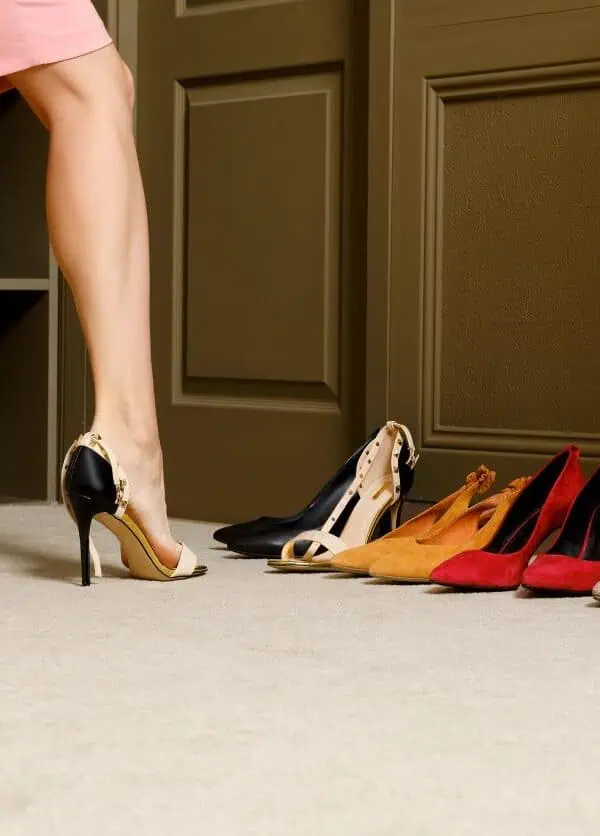
Winter dressing can be tricky at any age, but for women over 50, cold-weather outfits often lean heavily toward warmth and practicality. While comfort is important, certain styling habits, proportions, and overlooked details can unintentionally make outfits look bulky, outdated, or less polished than intended. The surprising part? Many women don’t even realize they’re making these winter-specific style mistakes because they’re subtle and rooted in old habits, not bad taste.
Table of Contents
1. Choosing Outerwear That’s Too Bulky
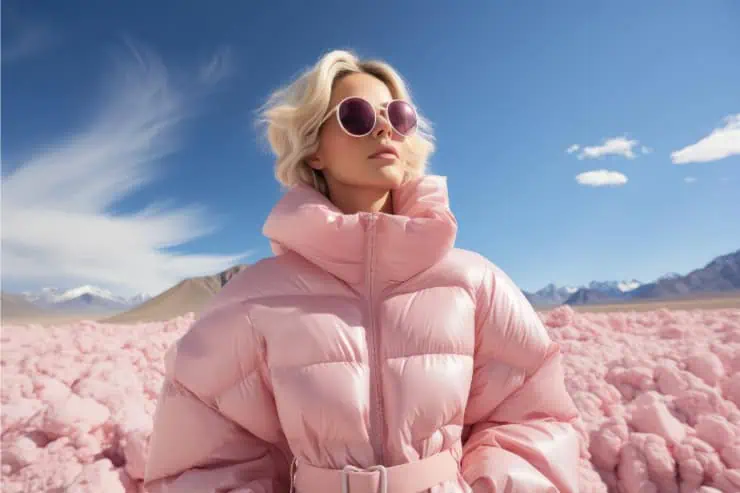
One of the biggest winter styling mistakes for women over 50 is relying on coats that add unnecessary bulk. While warmth is essential, overly puffy or shapeless outerwear can hide your figure and create a boxy silhouette that reads older and heavier than you are. Many women default to function-first coats without realizing that modern insulated fabrics offer warmth without volume. Stylists recommend coats with subtle structure belts, seams, or gentle tailoring to define the waist and elongate the body.
2. Wearing Tops Too Long for Current Proportions

Long sweaters and tunic-length tops used to be the go-to for coverage, but today they can throw off proportions and make winter outfits feel dated. When paired with straight-leg or wide-leg pants which are more current than leggings long tops shorten the legs and eliminate shape. Stylists say that a shorter hem, a gentle front tuck, or even choosing sweaters that hit at the hip instantly modernizes the look. This doesn’t mean revealing more it simply means balancing length with today’s silhouettes.
3. Ignoring Shoe Shape and Proportion
In winter, many women prioritize warmth and slip-resistance, unintentionally choosing footwear that competes with or weighs down the outfit. Chunky soles, overly rounded toes, and practical-but-frumpy boots can make even a stylish coat or sweater look dated. Stylists recommend choosing winter shoes with cleaner lines sleek ankle boots, structured loafers, or refined lug soles to maintain visual balance. The key is harmony: the shape of the shoe should complement the width of the pant leg. Updating footwear style not heel height has one of the biggest impacts on making winter outfits appear current, confident, and polished.
4. Wearing Dark, Heavy Colors Without Contrast
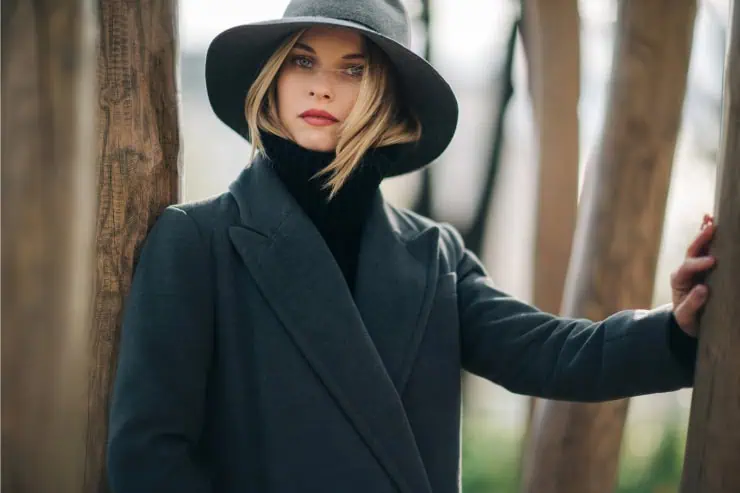
Winter wardrobes often lean toward black, charcoal, and deep jewel tones. While these shades can be elegant, too many dark and heavy colors worn together can make an outfit feel severe or flat, especially against mature skin. Stylists suggest adding lighter or warmer tones cream, camel, winter white, soft olive to soften contrast and brighten the face. Even a scarf, beanie, or turtleneck layered under a coat can create lift and warmth.
5. Forgetting About Accessories Once It Gets Cold

Many women stop wearing jewelry or accessories in winter because coats cover them, but this can leave outfits looking unfinished indoors. Stylists note that polished earrings, layered necklaces, or a textured belt can instantly elevate simple sweaters and knitwear. Even winter accessories like scarves, gloves, and hats can look stylish rather than purely functional when chosen with intention. The trick is choosing pieces that add personality without clutter.
6. Relying on Old Winter Basics Past Their Prime

Winter fabrics show wear faster than summer ones pilling, fading, stretching, and thinning are common. Many women continue wearing worn-out knits or dated fleece pieces without realizing how much they dull an outfit. Stylists consistently say that fresh basics like a smooth turtleneck, crisp sweater, or clean-lined cardigan instantly elevate everything else in the outfit.
7. Not Defining the Waist With Layers

Cold-weather layering often leads to lost shape. When sweaters, puffer vests, and coats all hang straight, the body can disappear, making the outfit feel bulky and older. Stylists recommend defining the waist subtly through belted coats, side slits, front tucks, wrap silhouettes, or structured layers. The goal isn’t to look tight or restricted, but to create a gentle suggestion of shape. This small adjustment improves posture, elongates the body, and instantly modernizes winter outfits without compromising warmth or comfort.