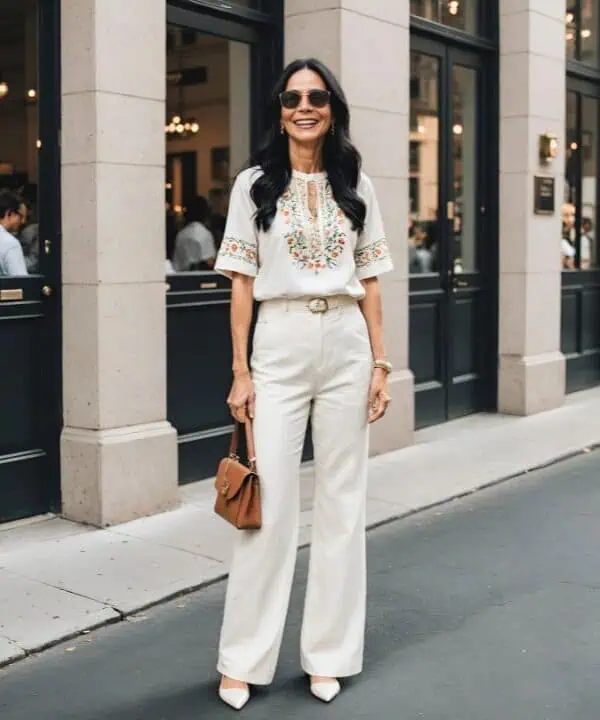
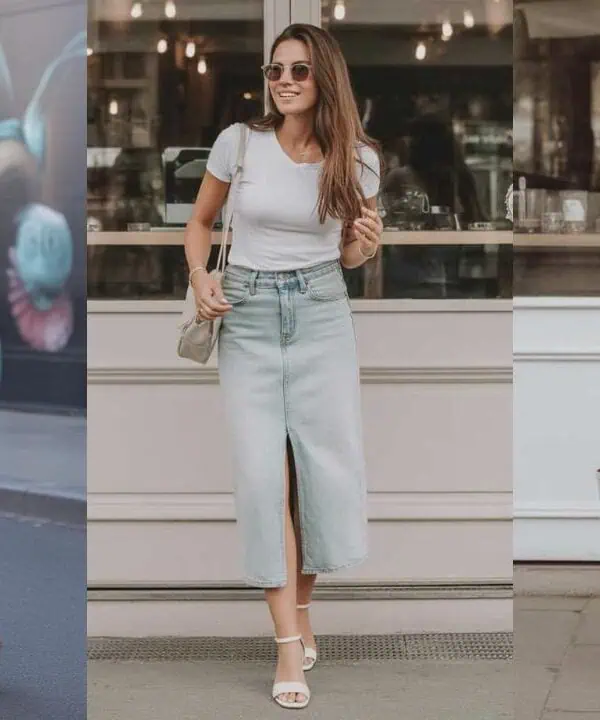
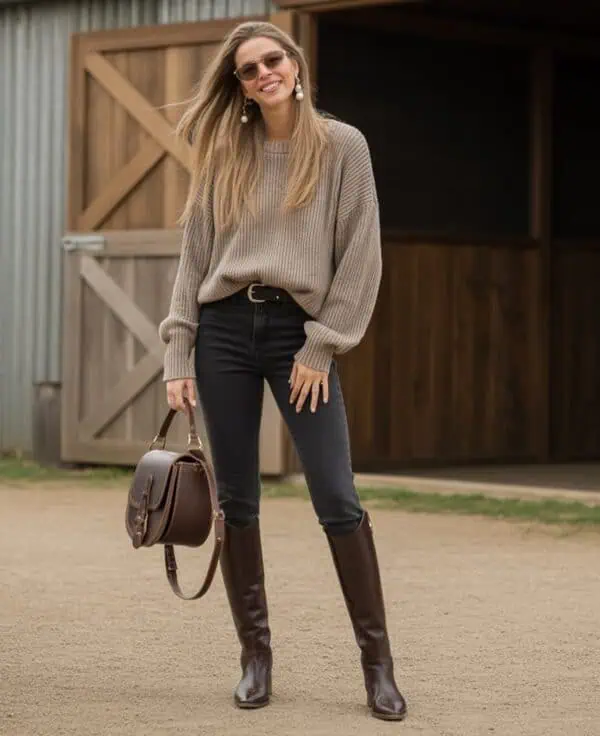
Fashion is getting quieter but more intentional. In 2026, many women are stepping away from the relentless churn of trends and toward something steadier: quiet personal style. This shift isn’t about rejecting fashion or dressing minimally for the sake of it. It’s a response to exhaustion. Trend cycling has become faster, louder, and increasingly disconnected from real life. As a result, the appeal of constantly updating one’s wardrobe is fading. Quiet personal style offers an alternative one rooted in consistency, self-knowledge, and restraint. Instead of reacting to what’s new, women are refining what feels right. This movement reflects a deeper change in how style functions: less as entertainment, more as identity. Quiet style doesn’t demand attention, but it holds it.
Table of Contents
1. Trend Cycling Has Become Unsustainable

Trend cycling once felt exciting, even aspirational. Now it often feels overwhelming. Micro-trends appear and disappear so quickly that keeping up requires constant consumption and attention. Many women have reached a point where the effort no longer feels rewarding. Clothes bought for relevance lose meaning within months, sometimes weeks. Quiet personal style emerges as a rejection of this churn. It prioritizes continuity over novelty. Instead of chasing what’s next, women are choosing to build wardrobes that evolve slowly. This shift restores agency to the wearer. Style becomes something you live in, not something you constantly update to stay visible.
2. Quiet Style Is Built on Self Knowledge

At the heart of quiet personal style is clarity. Women who dress this way understand their preferences, proportions, and lifestyle needs. They’re no longer experimenting endlessly they’re refining. This doesn’t mean their style is static; it means it’s anchored. Trend cycling encourages imitation, often at the expense of individuality. Quiet style does the opposite. It rewards repetition, familiarity, and personal consistency. When you know what works for you, trends lose their authority. Style becomes an extension of identity rather than a reaction to the market. That self-knowledge is what makes quiet style feel confident rather than cautious.
3. Subtlety Has Become a Marker of Sophistication

In an era of visual overload, subtlety reads as sophisticated. Quiet personal style relies on nuance fit, fabric, proportion, and texture rather than obvious statements. These details aren’t immediately eye-catching, but they register over time. This is why quiet style often feels more compelling in real life than on screens. Trend-driven outfits are designed for instant impact; quiet outfits are designed for presence. In 2026, the ability to dress without spectacle is increasingly seen as a skill. Subtlety signals discernment. It suggests the wearer doesn’t need external validation to feel stylish.
4. Longevity Is Replacing Novelty as a Value

Quiet personal style places value on how clothes perform over time. Pieces are chosen for durability, comfort, and relevance across seasons. This stands in direct contrast to trend cycling, which prioritizes novelty above all else. As women become more conscious of cost, sustainability, and waste both financial and emotional longevity feels more responsible. Quiet style allows garments to develop history. Clothes become familiar, trusted, and expressive through repeated wear. This relationship with clothing is deeper than trend participation. It turns style into something personal rather than disposable.
5. Quiet Style Aligns Better With Real Life

Trend-heavy dressing often assumes a lifestyle centered around visibility events, photos, social media moments. Quiet personal style aligns with actual daily life. It supports movement, work, socializing, rest, and routine. Outfits are flexible rather than theatrical. This practicality doesn’t diminish style; it strengthens it. When clothing works across contexts, it becomes more powerful. In 2026, many women are prioritizing ease and functionality without sacrificing polish. Quiet style meets this need. It looks appropriate without trying to impress, which is exactly why it resonates now.