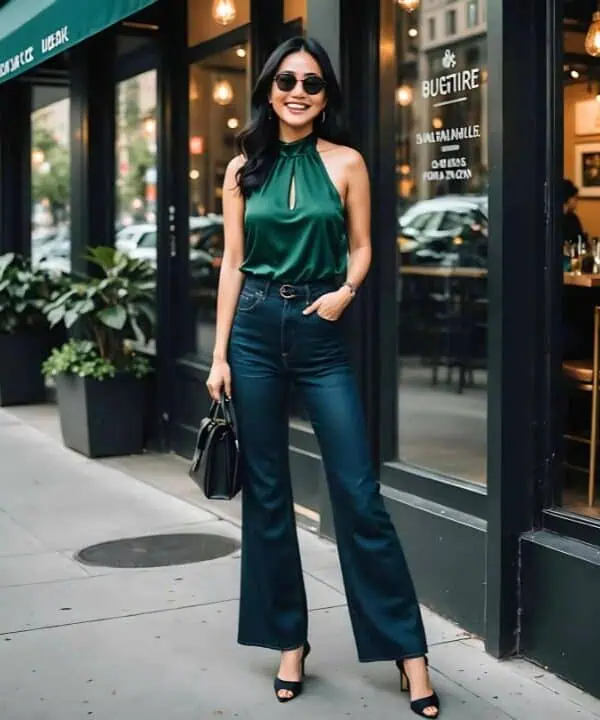
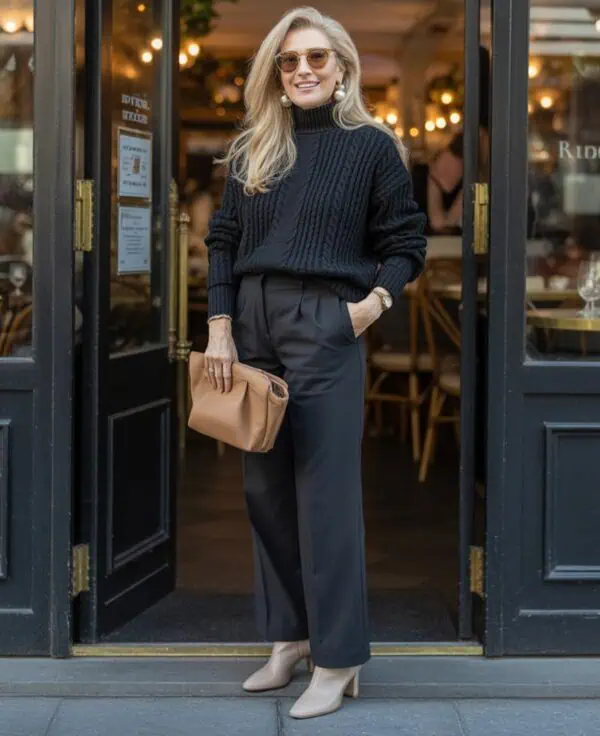
We’re often told that style confidence belongs to youth that it’s something you either have early or miss entirely. But real-world experience tells a different story. For many women, true style confidence doesn’t emerge until later in life. Not because they suddenly care more about fashion, but because they care less about external approval. As responsibilities shift and self-knowledge deepens, dressing becomes less reactive and more intentional. The anxiety of “getting it right” fades, replaced by clarity about what works and why. Style confidence peaks later because it’s built on lived experience, not experimentation alone. It’s earned, not assumed. And when it arrives, it changes how clothing functions entirely.
Table of Contents
1. Self Knowledge Takes Time to Develop

Style confidence relies heavily on self-awareness, and that doesn’t happen overnight. Earlier in life, many women are still experimenting not just with clothes, but with identity. Trends, peer influence, and social expectations play a larger role. Over time, patterns emerge. Women learn what silhouettes feel right, which colors energize them, and what no longer aligns. This accumulated knowledge removes uncertainty from dressing. Confidence grows because choices are informed rather than guessed. Later in life, getting dressed feels familiar instead of stressful. That ease is the foundation of genuine style confidence.
2. Detachment From External Validation
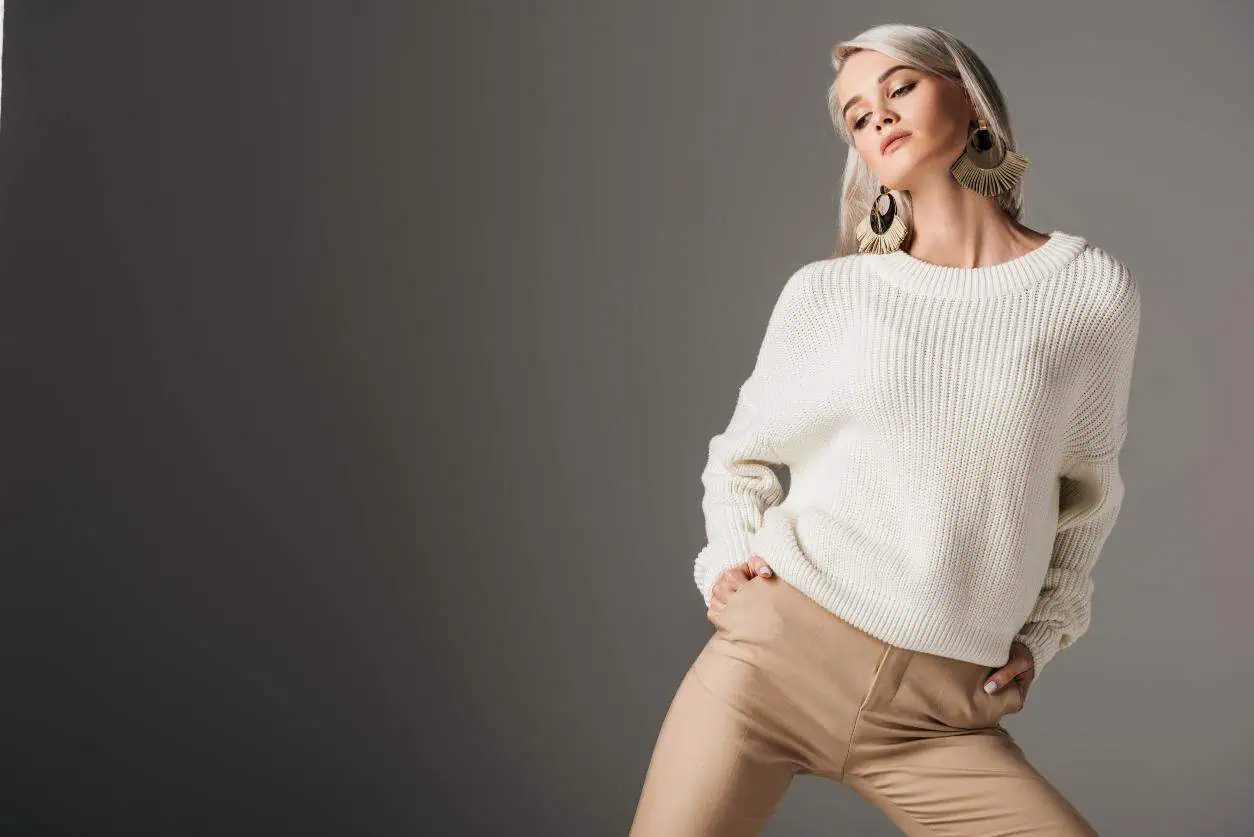
In younger years, style is often shaped by how it’s received compliments, trends, social media feedback. As women age, that dependency loosens. Style confidence peaks later because approval becomes optional rather than essential. Dressing shifts from being externally motivated to internally guided. Clothes are chosen for comfort, alignment, and personal satisfaction instead of visibility. This detachment is powerful. It allows women to dress honestly rather than strategically. When validation is no longer the goal, confidence naturally rises. The absence of performance creates clarity and clarity builds confidence.
3. Repetition Becomes a Strength

Earlier in life, repeating outfits can feel like failure. Later, repetition becomes a sign of confidence. Style confidence peaks when women realize they don’t need endless variation to look stylish. Wearing what works again and again creates consistency and polish. Repetition eliminates doubt. Familiar outfits reduce decision fatigue and reinforce identity. When clothes feel like extensions of the self rather than experiments, confidence follows. Later in life, repetition is no longer boring it’s intentional. This shift changes the relationship with clothing entirely.
4. Comfort and Confidence Finally Align
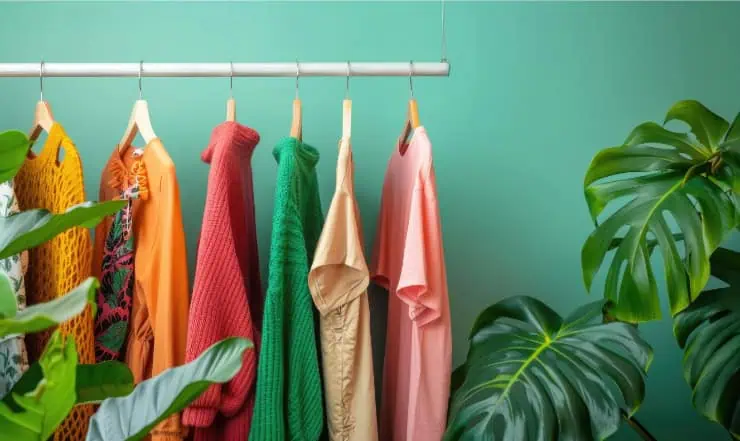
In younger years, comfort and style are often framed as opposites. Discomfort is tolerated for the sake of appearance. Over time, priorities shift. Style confidence peaks when comfort is no longer negotiated away. Women learn that physical ease supports emotional confidence. Clothes that move well, fit properly, and feel good allow the wearer to be present rather than distracted. When comfort and intention align, clothing supports confidence rather than undermining it. Later in life, this alignment becomes non-negotiable and deeply empowering.
5. Style Stops Being About Proving Something
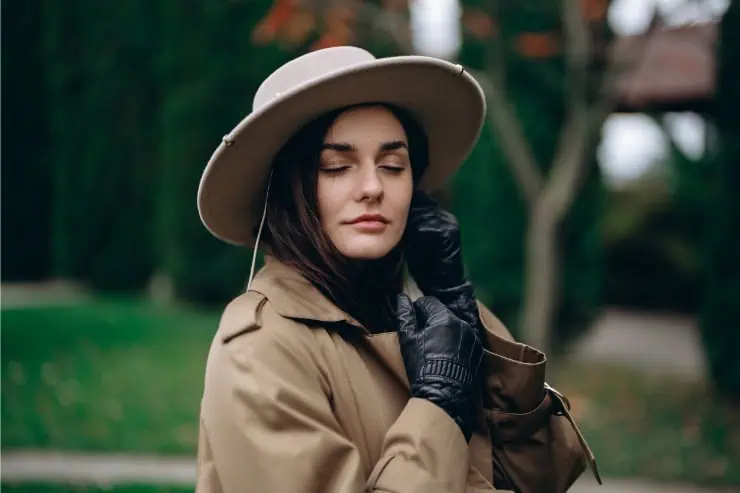
Much of early style exploration is tied to proving something taste, relevance, attractiveness, belonging. Later in life, the need to prove diminishes. Style confidence peaks when clothing no longer carries that burden. Dressing becomes expressive rather than defensive. Choices are made because they feel right, not because they send a message. This shift removes pressure and allows style to feel natural. Confidence grows when clothing reflects reality instead of aspiration. The absence of pretense makes style stronger, not weaker.
6. Identity Becomes Clearer With Time
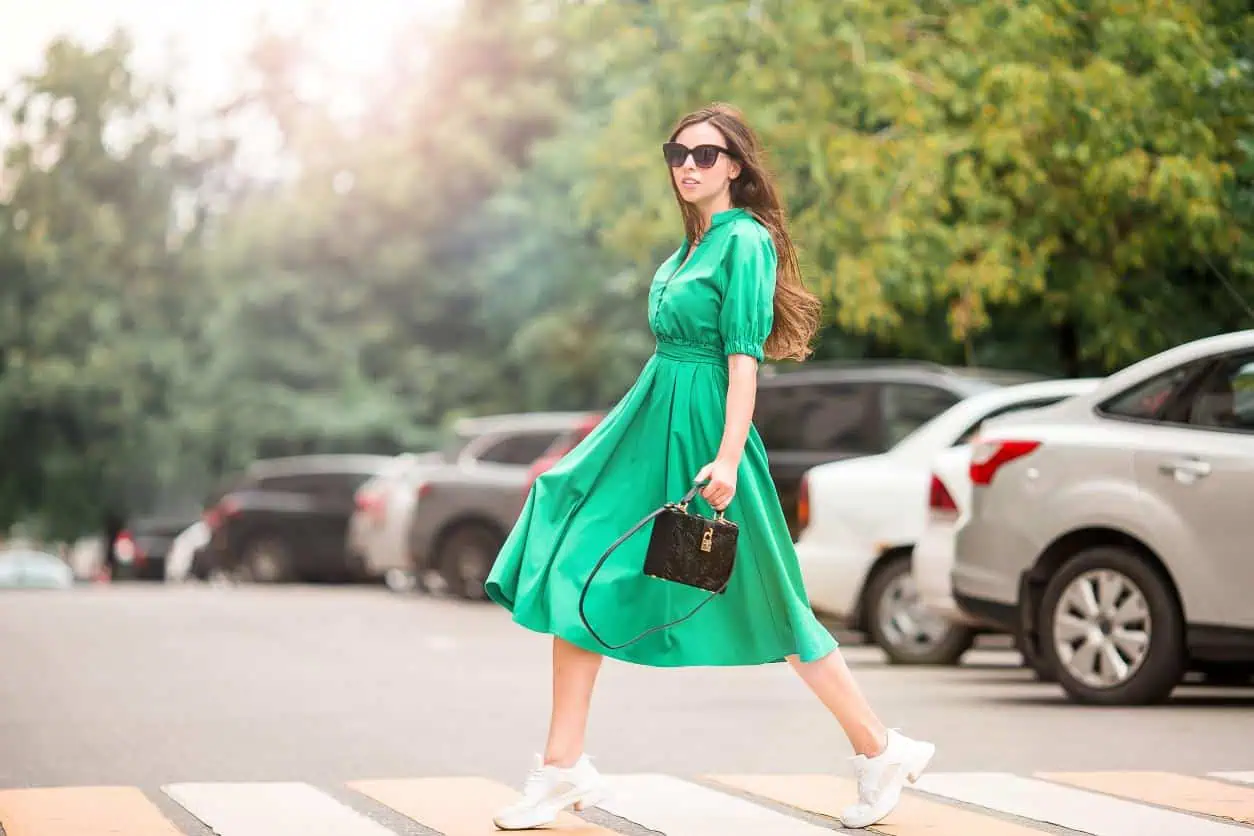
Style confidence is ultimately rooted in identity. As women age, identity tends to solidify. Roles may change, but self-understanding deepens. Clothing becomes a reflection of that clarity rather than a search for it. Later in life, women dress from a place of recognition rather than experimentation. This doesn’t limit creativity it grounds it. Confidence peaks because the question “Is this me?” has a clearer answer. When style aligns with identity, confidence is no longer something to summon. It’s simply present.