Many women in midlife sense when outfits feel slightly dated but can’t pinpoint why. Often, the issue isn’t the clothing itself but the proportions the relationship between lengths, volumes, and visual balance. Stylists frequently update looks not by replacing pieces but by adjusting how they interact: where hems fall, how tops relate to bottoms, and how structure contrasts with softness. This proportion awareness creates modernity without trend dependence. Rather than copying youth-driven fashion, it refines silhouette harmony, which feels age-appropriate yet current.
Table of Contents
1. Balance Volume: One Relaxed, One Defined
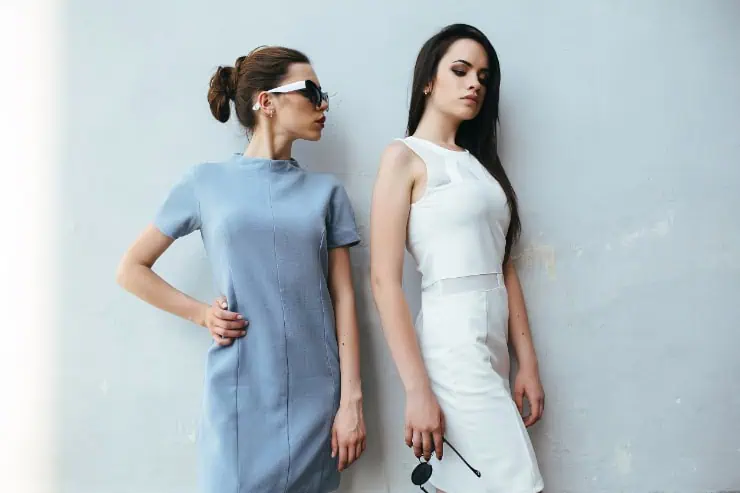
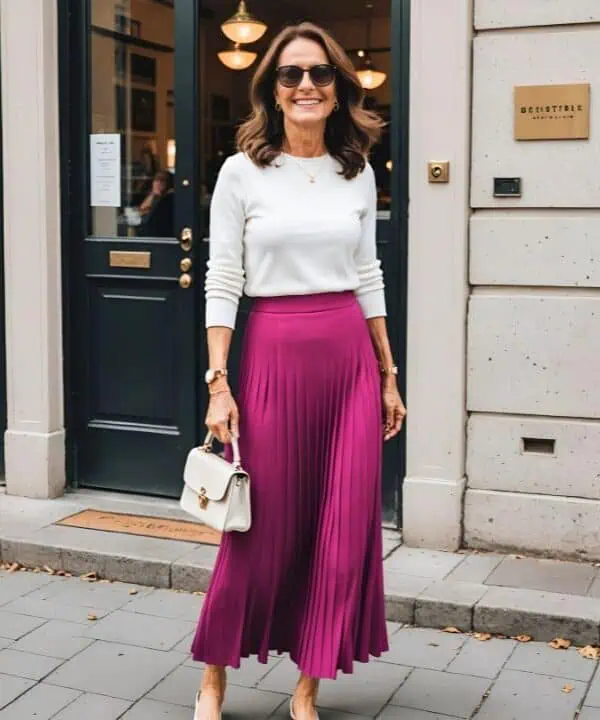
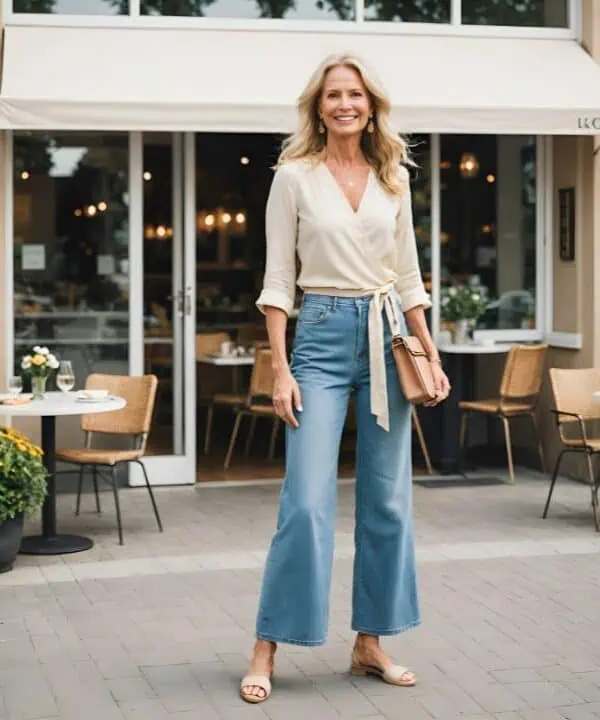
The most fundamental proportion principle stylists use is pairing one relaxed element with one defined element. For example, wide-leg trousers look modern when worn with a closer-fitting knit or tucked shirt, while a flowing blouse feels current with straight or slim pants. When both pieces are equally loose, outfits can appear shapeless; when both are tight, they may feel dated or forced. Midlife wardrobes often contain comfortable pieces with volume, so balancing them with structure restores shape and polish. This contrast creates visual clarity that reads contemporary without effort. It also enhances body awareness gently, avoiding extremes while maintaining comfort.
2. Adjust Hem Lengths for Visual Lift
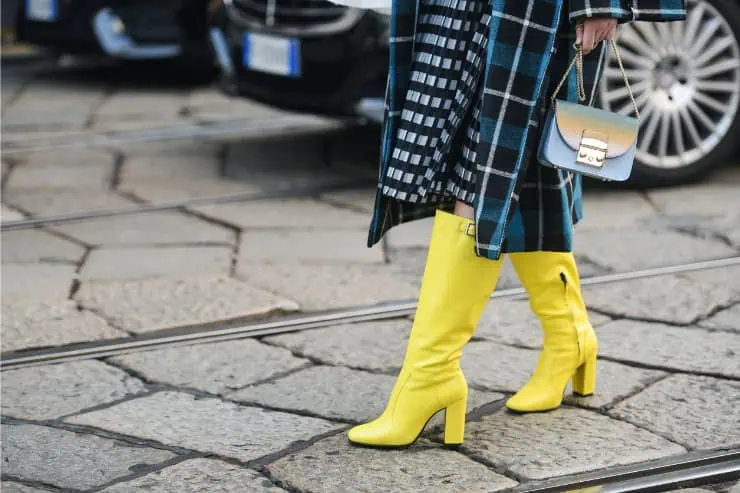
Hem placement strongly influences whether outfits look current. Stylists often shorten or crop hems slightly to reveal ankle or wrist, creating lightness and movement. Full-length garments can visually weigh down proportions, especially when paired together. Showing a small area of skin breaks heaviness and adds energy to silhouettes. Cropped trousers, bracelet sleeves, or slightly shorter jackets lift the eye upward and elongate lines. This technique works across body types and sizes because it relies on placement rather than fit. For midlife dressing, subtle hem adjustments modernize familiar clothing without needing new trends or dramatic changes.
3. Define the Waist Without Tightness
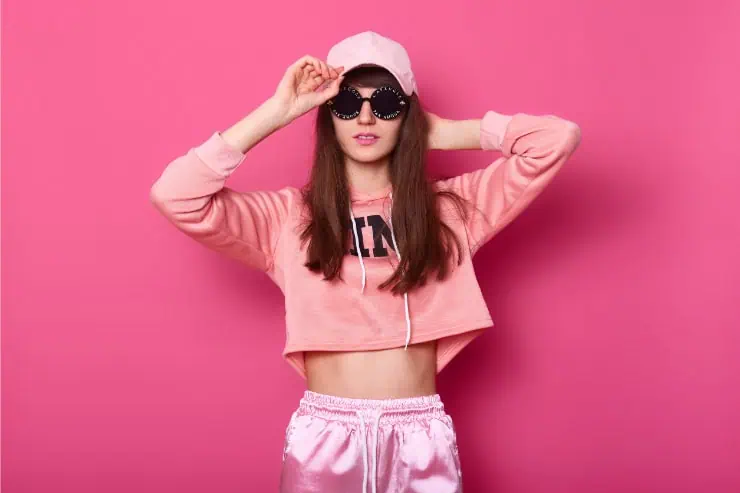
Modern proportion emphasizes waist suggestion rather than tight cinching. Stylists create gentle definition through half tucks, soft belts, or shaped seams instead of rigid tailoring. This maintains comfort while restoring silhouette structure. Many midlife outfits become outdated when garments hang straight from shoulder to hip without interruption. Introducing a visual waist slightly above natural waistline adds shape and elongation. It also balances looser garments without restriction. The effect feels contemporary because it suggests form rather than forcing it. This approach respects body changes while preserving elegance and proportion harmony.
4. Use Shoe Weight to Anchor Silhouettes
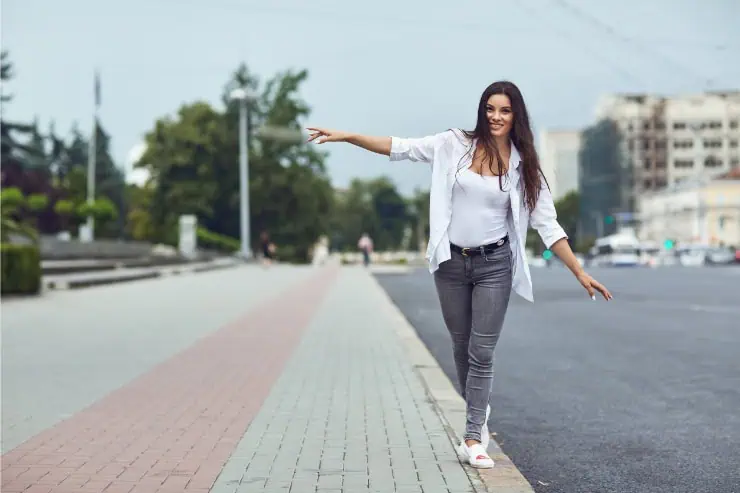
Footwear proportion plays a surprisingly large role in modernizing outfits. Stylists match shoe visual weight to clothing volume: wider pants pair with slightly thicker soles, while slim silhouettes suit lighter shoes. When shoe scale is too delicate for the outfit, proportions feel unstable; when too heavy, they look clumsy. Midlife outfits often improve instantly by adjusting footwear balance. Structured sneakers, block heels, or refined loafers can ground relaxed garments. This anchoring effect creates cohesion from head to toe. Proper shoe proportion subtly communicates intention and awareness, key markers of modern styling.
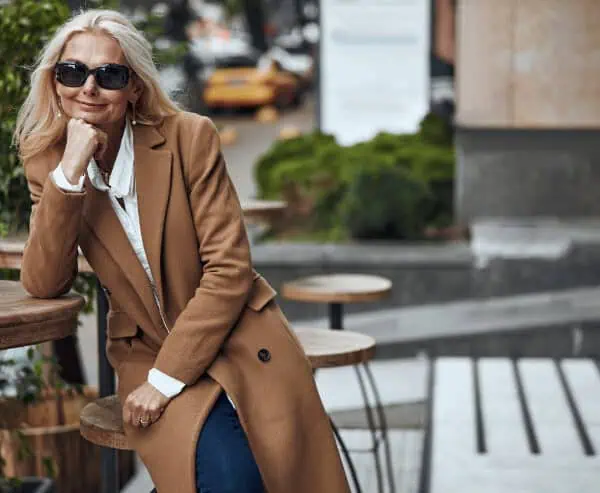
5. Layer Length Contrast for Depth
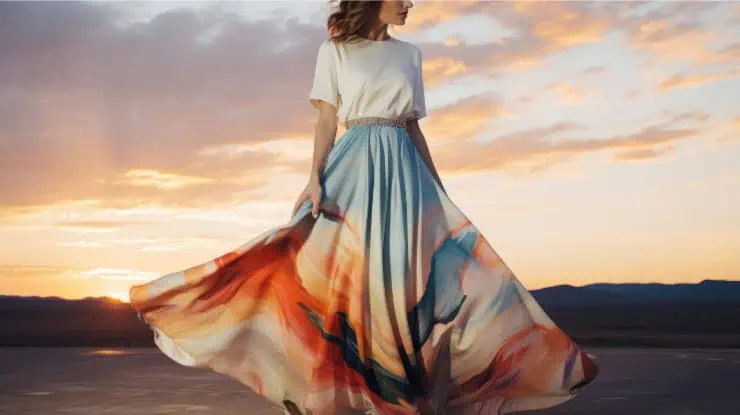
Layering pieces of different lengths creates dimension that reads contemporary. Stylists avoid stacking garments that end at the same point, which can appear flat or dated. Instead, they combine varied hemlines shorter jackets over longer tops, or cropped knits over shirts. This staggered effect adds visual interest and elongates the body line. It also prevents bulk concentration at one area. For midlife wardrobes, where layering is common for comfort, length contrast transforms practicality into style. The eye moves vertically, creating energy and modernity without needing bold colors or patterns.