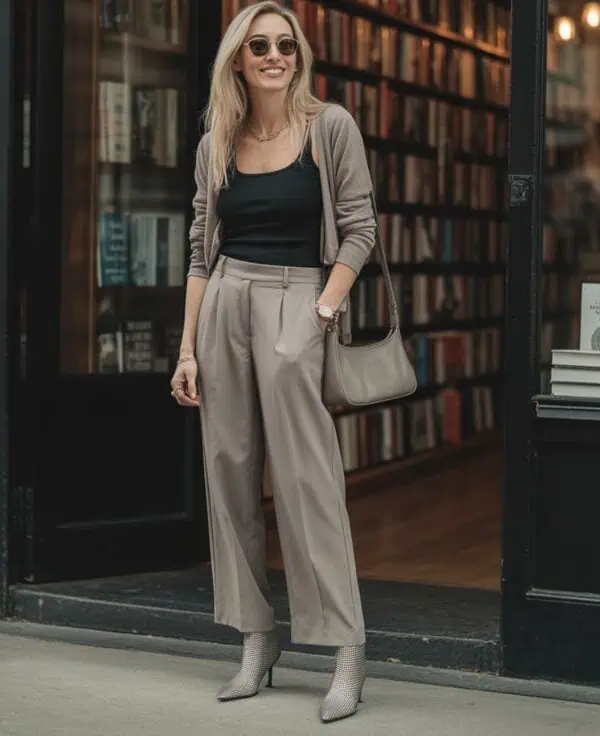
Dressing a petite frame isn’t about limiting style choices or avoiding trends it’s about respecting vertical proportion so clothing enhances rather than overwhelms natural scale. Because shorter height compresses visual space, elements like hem length, rise, seam placement, and garment volume have a stronger impact than they do on taller frames. Pieces designed with elongated lines and controlled structure help maintain the illusion of height and balance, allowing outfits to look polished instead of crowded. When wardrobe staples align with petite proportions, mixing and matching becomes effortless because everything shares compatible scale.
Table of Contents
1. High Rise Straight Leg Trousers That Extend the Leg Line
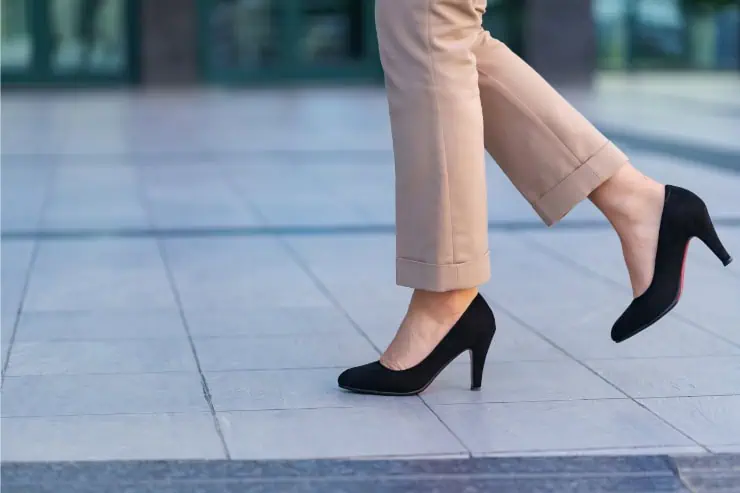
High-rise straight-leg trousers are one of the most proportion-friendly bottoms for petite frames because they visually raise the waistline and create a continuous vertical line from hip to ankle. This uninterrupted line lengthens the lower body, making legs appear longer relative to torso. Unlike wide or heavily tapered silhouettes, straight legs maintain clean vertical flow without adding horizontal bulk that can shorten the frame. Proper hem length ending at or just above the top of the shoe prevents bunching that visually compresses height.
2. Cropped Jackets That Align With the Natural Waist
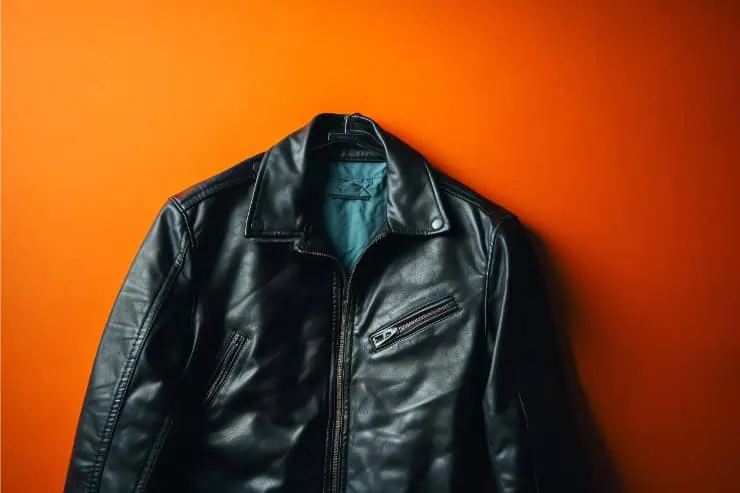
Outerwear can easily distort petite proportions when length extends too far below the waist, visually cutting the leg line and shortening the body. Cropped jackets that end at or slightly above the natural waist preserve vertical balance by maintaining leg dominance within the silhouette. This length prevents the torso from appearing elongated relative to legs and allows high-rise bottoms to remain visually continuous. Structured but not bulky tailoring ensures shape without excess volume that could overwhelm frame size.
3. Monochrome Base Layers That Maintain Vertical Continuity
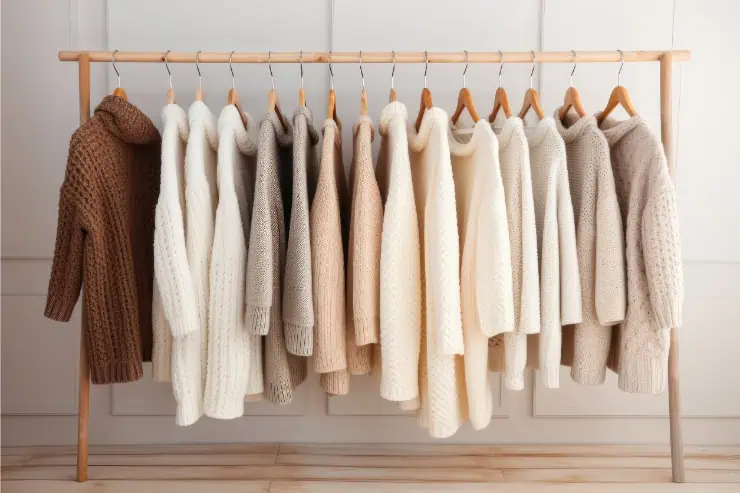
Color breaks strongly influence perceived height, making monochrome dressing particularly effective for petite frames. Wearing similar tones between top and bottom reduces horizontal division, allowing the eye to travel uninterrupted vertically. This continuity lengthens appearance even when garments themselves are simple. Monochrome bases also simplify layering, because outer pieces can contrast without fragmenting the underlying line. Petites often mix high-contrast separates that visually cut the body in half, emphasizing shorter stature.
4. Knee Length or Slightly Above Skirts That Preserve Leg Length
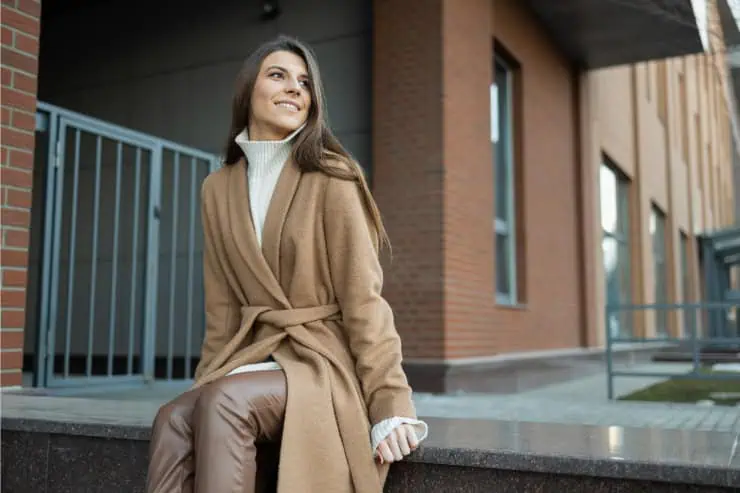
Skirt length dramatically affects petite proportion because hems that fall mid-calf or lower divide the leg visually and reduce perceived height. Knee-length or slightly above-the-knee skirts maintain maximum visible leg line while still appearing polished and balanced. This length keeps vertical emphasis on the lower body and integrates easily with flats or low heels without truncating the silhouette. A-line or straight cuts further support elongation by avoiding excess width. Petites often choose midi lengths trending in fashion, but these frequently shorten the frame unless precisely tailored.
5. Petite Scale Belts That Define Without Dividing
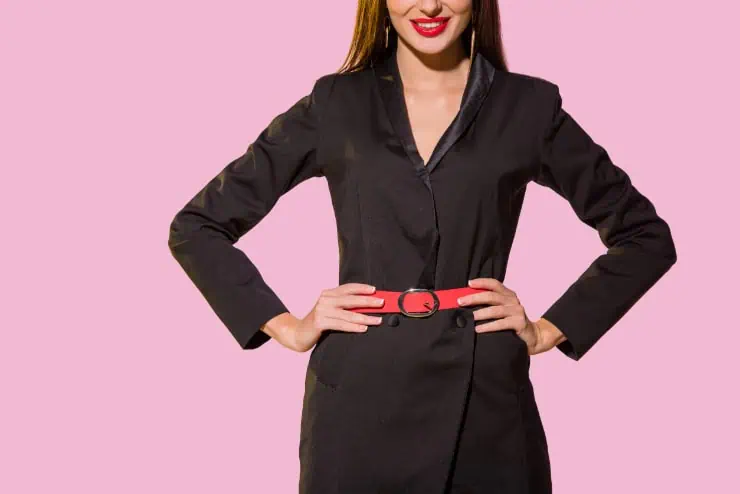
Belts can either support or disrupt petite proportion depending on width and placement. Narrow or petite-scale belts define the waist gently without creating a heavy horizontal break that shortens the torso or legs. When color matches the garment, the belt shapes the silhouette while maintaining vertical continuity. Wide or high-contrast belts, by contrast, split the body visually and reduce perceived height. Petites often use statement belts intended for taller frames, which overpower scale and interrupt proportion. Subtle waist definition aligns with the body’s smaller visual space and preserves elongation.