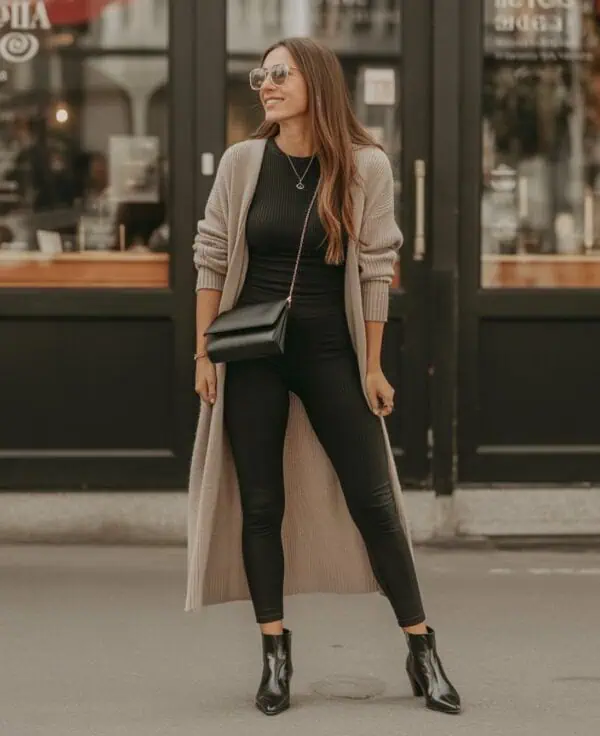
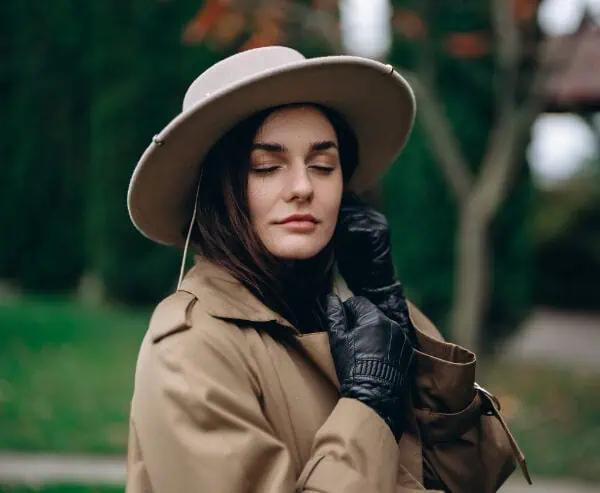
Looking taller and more streamlined often comes down to how an outfit is visually structured. In 2026, one of the most effective styling techniques is the modern “column” approach, which focuses on monochromatic layering. Instead of breaking the body into sections with contrasting colors, this method creates a continuous vertical line from top to bottom. The result is a silhouette that appears longer, cleaner, and more balanced. Stylists often rely on this technique because it works across different body types and does not require complicated styling. By simply aligning tones and textures within the same color family, you can transform the way your proportions look without needing dramatic changes.
Table of Contents
1. What the “Column” Effect Really Means
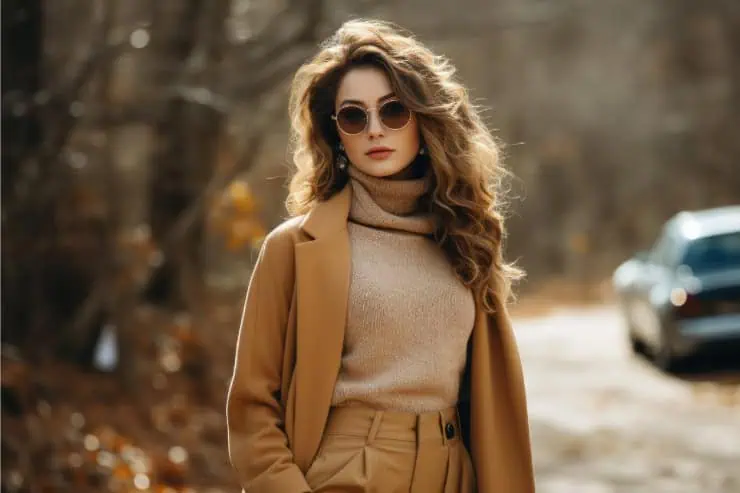
The column effect is created when the eye can move smoothly from the top of an outfit to the bottom without interruption. This is usually achieved by wearing similar or identical shades throughout the look. When there are no sharp color breaks, the body appears as one long line rather than separate sections. This visual trick naturally elongates the frame. Unlike high-contrast outfits, which can divide the body, a column look keeps everything connected. The result is a silhouette that feels taller and more refined, even when the pieces themselves are simple.
2. Why Monochrome Feels Instantly Leaner
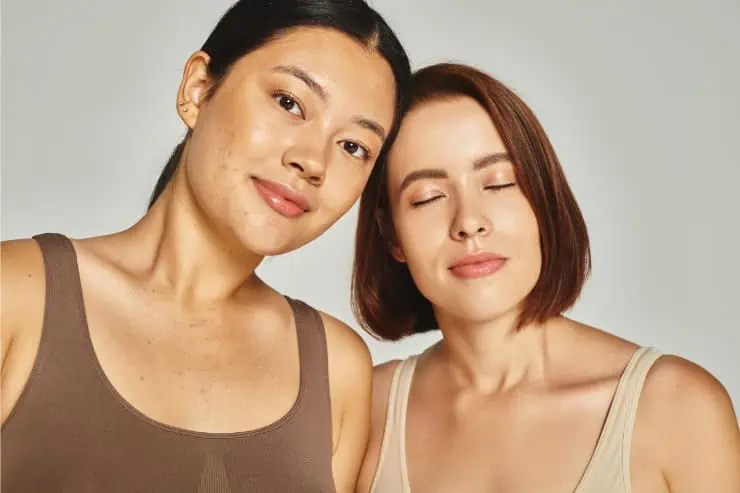
Monochromatic outfits not only add height but also create a leaner appearance. When different parts of the body are not visually separated by color, the overall shape looks more streamlined. This reduces the appearance of width and helps create a smoother outline. Stylists often recommend this approach because it simplifies the outfit while still delivering a strong visual impact. The absence of contrast allows the focus to remain on the overall silhouette rather than individual pieces, which is why the look feels more balanced and polished.
3. Mixing Textures to Avoid Looking Flat
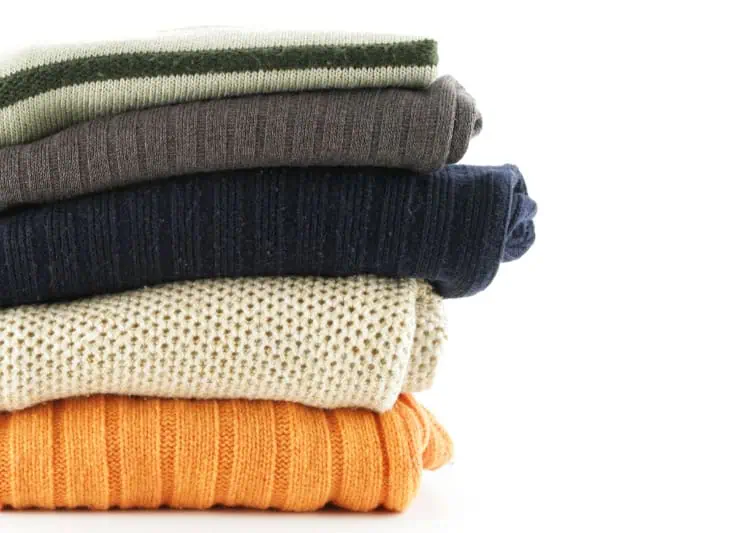
One common concern with monochrome dressing is that it can look flat or one-dimensional. This is where texture becomes important. Combining fabrics like knit, wool, satin, denim, or linen within the same color family adds depth without breaking the column effect. For example, pairing a soft knit top with structured trousers and a smooth coat creates variation while keeping the look cohesive. These subtle differences in texture catch light differently, which adds interest and prevents the outfit from feeling too plain.
4. The Role of Fit and Layering

Fit plays a major role in making the column effect work. Clothes that are too loose can disrupt the clean vertical line, while overly tight pieces can feel restrictive. The goal is to create a balanced silhouette with pieces that follow the natural shape of the body. Layering should also be done thoughtfully. Adding a jacket or coat in a similar tone helps extend the column rather than interrupt it. Keeping layers aligned in both color and proportion ensures the outfit maintains its elongating effect.
5. Choosing the Right Colors
While black is often the first color people think of for monochrome dressing, the column effect works with many shades. Cream, beige, grey, navy, and even soft pastels can all create the same elongating result. The key is to stay within a consistent color family so the eye does not detect strong breaks. Lighter tones can feel softer and more modern, while darker shades can create a more defined and structured look. Choosing the right color often depends on personal style and the setting.