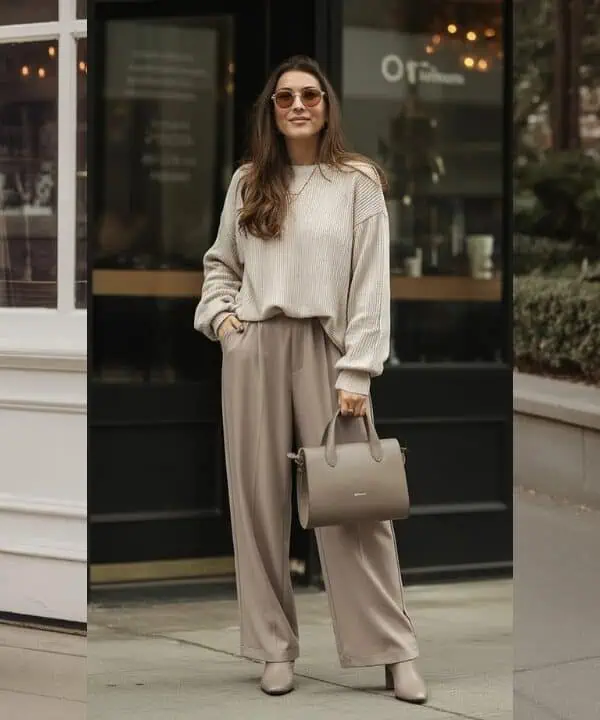
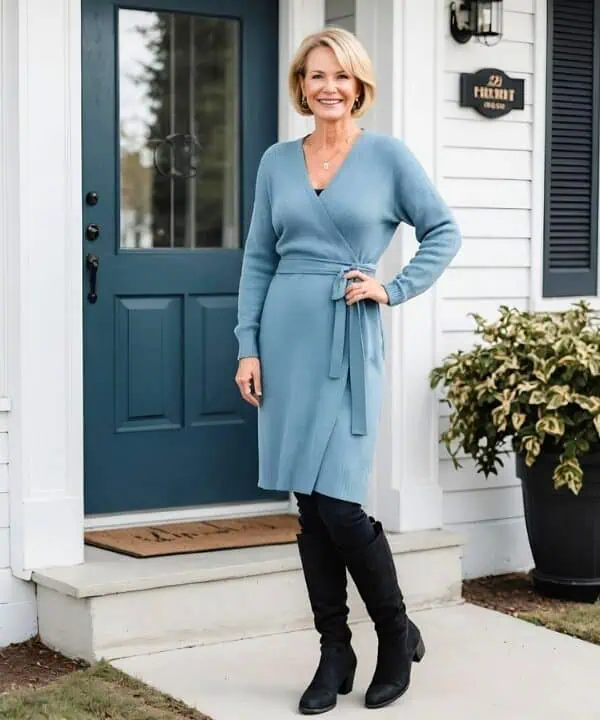
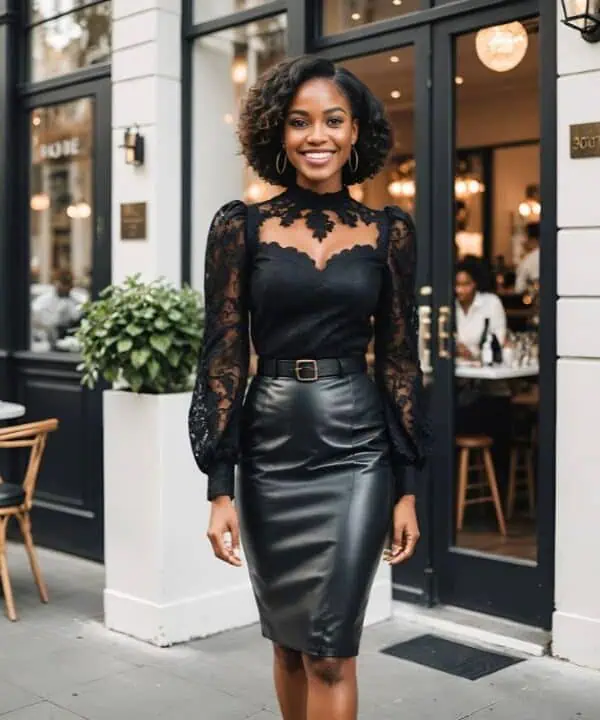
For decades, all-black dressing has been positioned as the ultimate style shortcut. It’s marketed as elegant, foolproof, and inherently modern. Many women, especially over 40 and 50, adopt black as a uniform because it feels safe and refined. But here’s the uncomfortable truth: when relied on too heavily, all-black can become a visual trap. Instead of signaling confidence and polish, it can flatten your appearance, drain warmth from your complexion, and lock you into a dated version of minimalism. Aging isn’t about wearing dark colors it’s about losing dimension, contrast, and intention. Below are five reasons why all-black outfits often age you more than you realize, and why true sophistication requires more nuance than defaulting to black head to toe.
Table of Contents
1. All Black Removes Visual Contrast From the Face

As we age, our natural contrast softens hair lightens, skin tone becomes less even, and facial definition changes. An all-black outfit intensifies this shift by pulling all visual weight downward, away from the face. When there’s no color variation near the neckline, black can create harsh shadows that emphasize fatigue, fine lines, and uneven skin tone. Instead of framing the face, it drains it. This is why women often feel they need heavier makeup with all-black outfits. The issue isn’t age it’s imbalance. Without lighter or warmer tones near the face, black becomes overpowering rather than elegant.
2. All Black Flattens Texture and Silhouette

Minimalism only works when texture and tailoring do the heavy lifting. Many all-black outfits fail because they rely on simple shapes without enough variation in fabric, structure, or proportion. When everything is matte, dark, and uniform, the outfit loses depth. This creates a flat, static look that reads tired rather than intentional. As bodies change with age, silhouette becomes even more important. All-black often disguises poor fit instead of solving it, making garments blend together instead of working together. The result is an outfit that looks generic and uninspired rather than refined.
3. All Black Signals Style Stagnation, Not Sophistication

At a certain point, all-black stops reading as chic and starts reading as habitual. It can signal that you’ve stopped editing your wardrobe and started defaulting. This is especially true when silhouettes haven’t evolved with time think dated cuts, predictable layering, or overly practical pieces. Fashion-forward minimalism evolves; stagnant minimalism does not. When black becomes a uniform rather than a choice, it communicates comfort over curiosity. True style maturity isn’t about playing it safe it’s about knowing how to update restraint with intention.
4. All Black Emphasizes Wear and Aging Fabrics
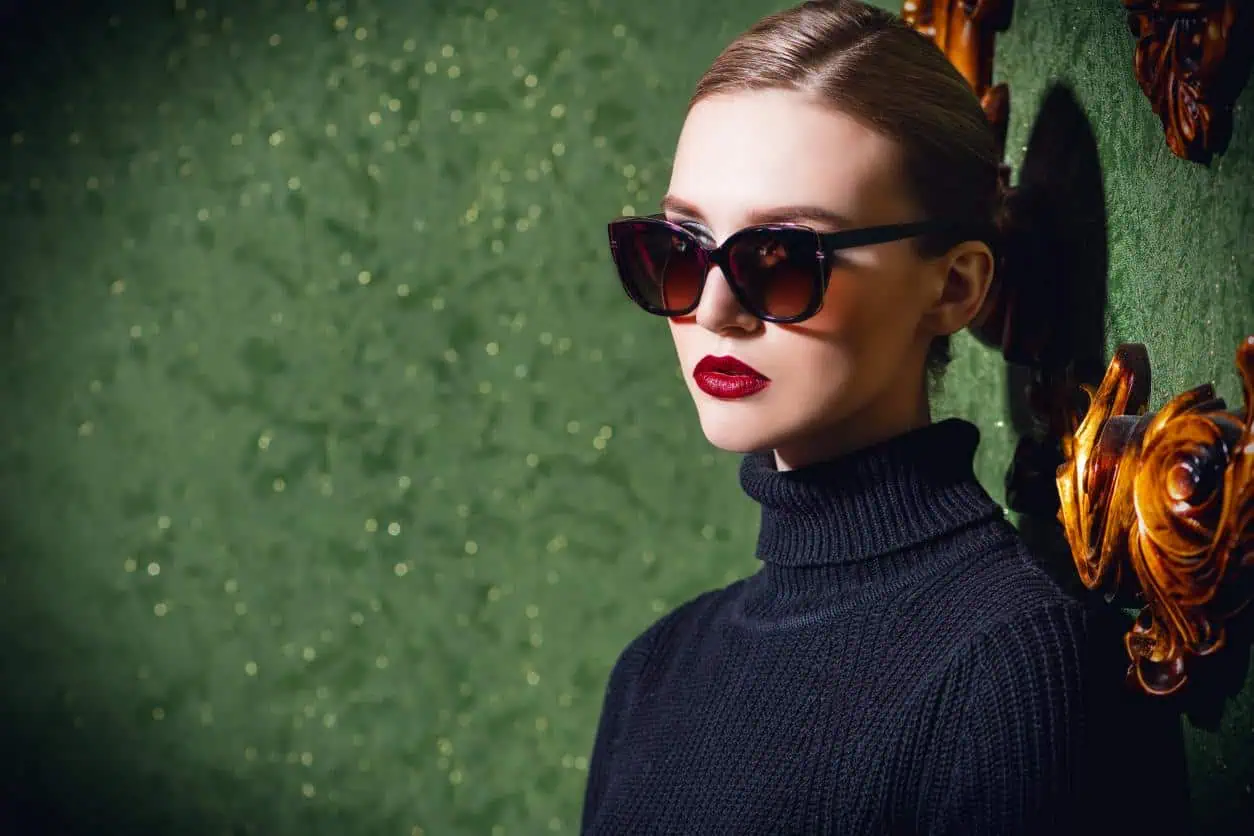
Black is unforgiving. It shows lint, fading, stretching, and wear far more clearly than most colors. Over time, black garments can lose richness and appear washed out or tired, especially if fabrics aren’t high quality. When an outfit is entirely black, every flaw is amplified. This can unintentionally make clothing and by extension the wearer look older. Rich neutrals, soft charcoals, deep browns, or inky navies often age better because they offer depth without harshness. Aging gracefully in style often comes down to choosing colors that evolve well, not just ones that feel safe.
5. All Black Eliminates Warmth and Personality
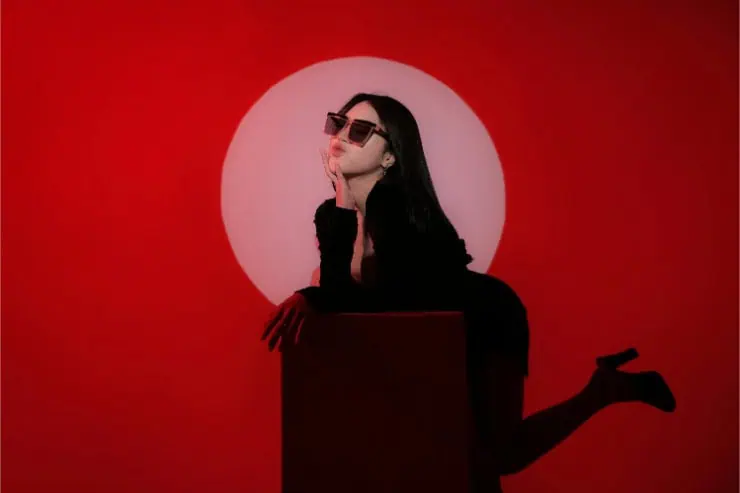
Perhaps the most aging effect of all black dressing is emotional, not visual. All-black can feel closed-off, severe, or overly serious when worn without relief. As personal style matures, warmth and individuality become more powerful than austerity. Subtle color cream near the face, soft gray, camel, muted olive, or deep burgundy adds life and personality without sacrificing sophistication. When black dominates completely, it can suppress expression. Style should evolve toward confidence and ease, not disappearance. The most elegant women aren’t hiding in black they’re choosing balance.