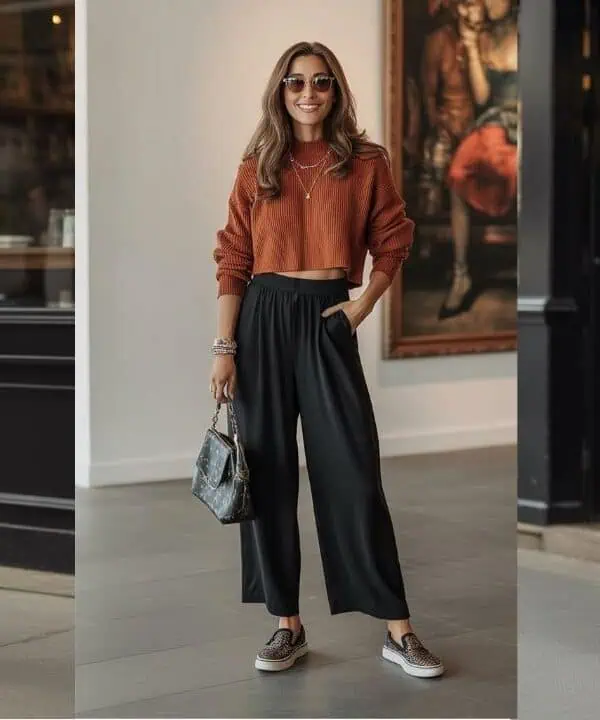
Loafers have always been considered one of the most versatile shoes in fashion. They are comfortable, polished, and easy to pair with everything from trousers to dresses. However, stylists are increasingly pointing out one small design detail that can affect how your entire outfit looks: the vamp of the shoe. The vamp is the portion that covers the top of the foot, and when it sits too high, it can visually shorten the leg line. Many traditional loafers feature a high vamp, which works well for some outfits but can interrupt the vertical flow of the leg. In 2026, stylists are recommending a new generation of lower-vamp loafers and sleeker flats that create a longer, more balanced silhouette.
Table of Contents
1. What a “High Vamp” Actually Means

The vamp is the section of a shoe that covers the top of the foot between the toe box and the opening of the shoe. In high vamp loafers, this area extends farther up toward the ankle, covering a larger portion of the foot. While this design can look structured and classic, it also reduces the amount of visible foot. Stylists explain that when less of the foot is visible, the leg line appears to stop earlier. This can make the legs appear shorter, especially when the shoe is paired with cropped trousers or skirts. Because loafers already have a flat profile, a high vamp can unintentionally compress the visual proportions of the lower half of the body.
2. Why High Vamp Loafers Shorten the Leg Line
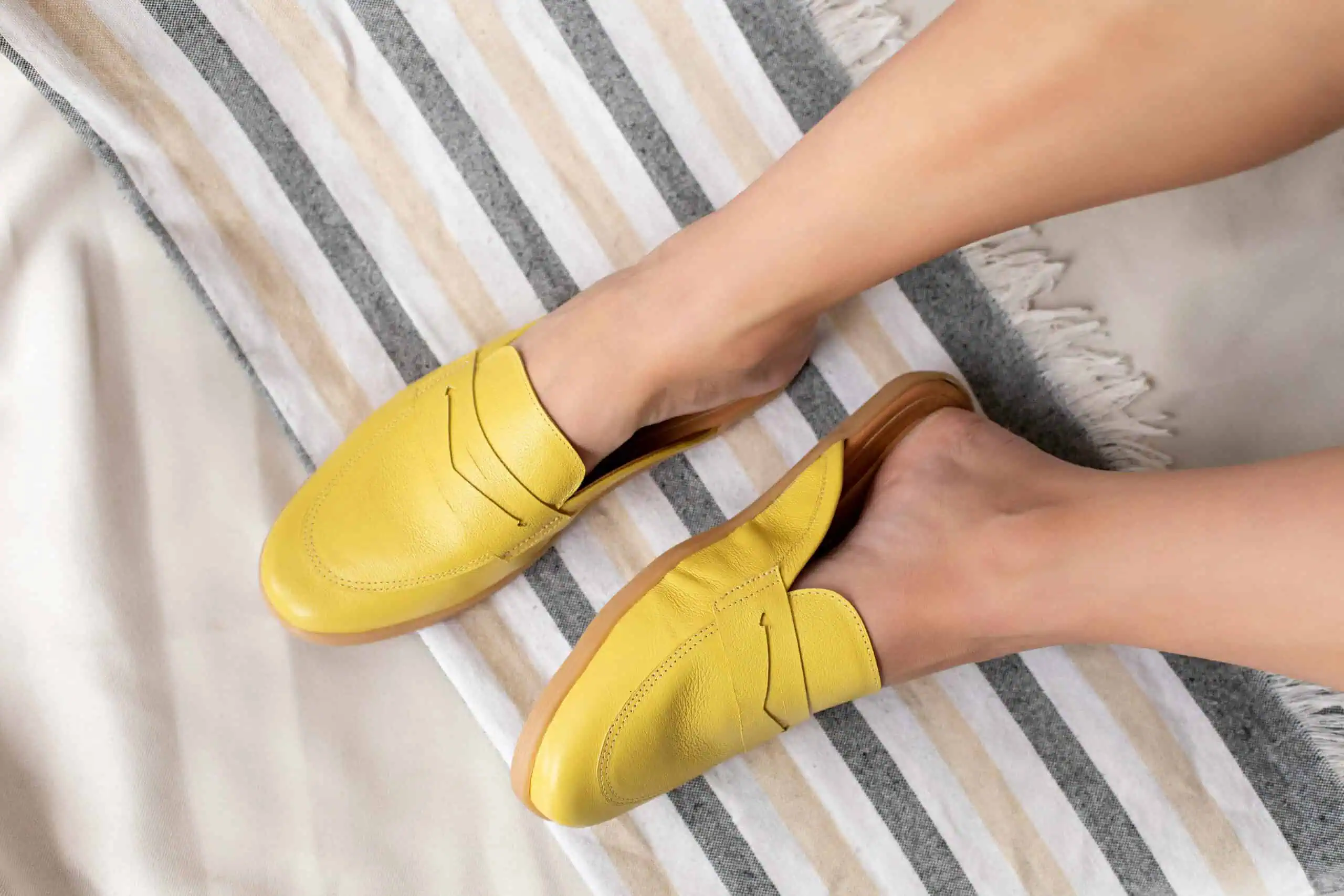
The main issue with high-vamp loafers is how they interrupt the visual flow between the ankle and the foot. When the top of the shoe sits close to the ankle, it creates a horizontal break in the silhouette. This break causes the eye to stop rather than continue downward, which visually shortens the leg. Stylists often note that this effect becomes even stronger when the shoe color contrasts sharply with the skin or trousers. For petite individuals or anyone trying to create a longer silhouette, these small interruptions can have a noticeable impact on overall proportions.
3. The 2026 Shift Toward Lower-Vamp Designs
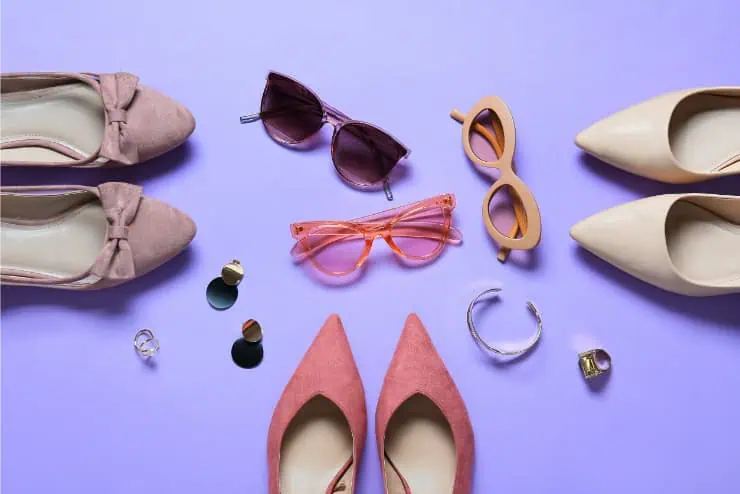
In 2026, many designers are introducing loafers and flats with lower vamps that reveal more of the top of the foot. This small adjustment changes how the shoe interacts with the leg line. By showing more of the foot, the shoe allows the eye to travel smoothly from the ankle to the toe. This continuous visual line makes the legs appear longer without requiring heels. The updated designs still maintain the classic loafer aesthetic but with a slightly deeper opening that feels lighter and more modern.
4. Sleeker Shapes That Replace the Chunky Loafer
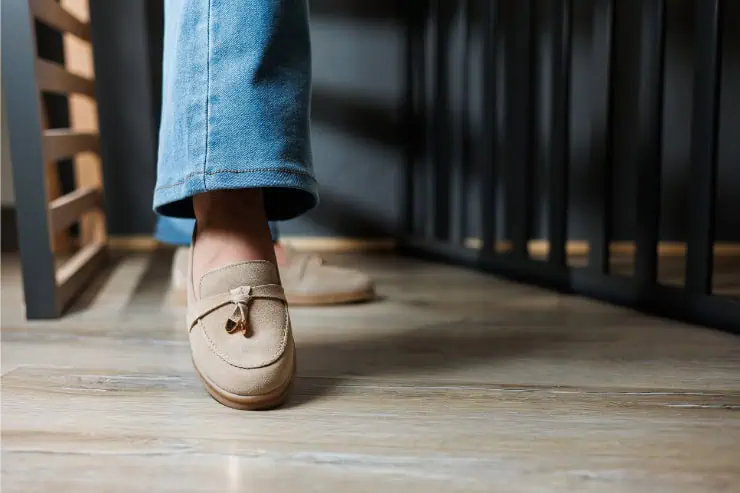
Another change happening alongside the lower-vamp trend is the move toward sleeker silhouettes. Instead of bulky soles and thick leather uppers, many new loafers feature slimmer profiles and refined shapes. These shoes often include pointed or softly almond-shaped toes that extend the visual line of the foot. Stylists say this combination of a lower vamp and a more tapered shape creates a much more elongated look. The shoe still provides comfort and structure but no longer feels heavy or visually shortening.
5. How to Style the New Loafer for Maximum Length

The updated loafer works best when paired with clothing that continues the elongated effect. Cropped trousers that reveal the ankle, tailored pants that skim the shoe, or skirts that highlight the ankle area all complement the lower-vamp design. Choosing shoes in neutral shades or tones close to the color of the trousers can also reduce visual breaks. Stylists emphasize that the goal is to create a smooth, uninterrupted line from the waist to the foot. With the new generation of loafers arriving in 2026, achieving that longer silhouette has become much easier without sacrificing comfort.