Midi dresses are often recommended as the perfect, age-appropriate option for women over 50. They’re comfortable, elegant, and offer more coverage than mini styles. However, many women unknowingly fall into what stylists call the “frumpy midi trap.” When the hemline lands at the wrong point on the leg, it can visually shorten the body and make proportions look heavier. Instead of creating a flattering, elongated silhouette, the dress ends up making the wearer appear shorter and less polished. The good news is that the problem isn’t the midi dress itself it’s the exact hem placement. A surprisingly simple 2-inch adjustment can transform the look and instantly improve proportions.
1. The Problem With Traditional Midi Length
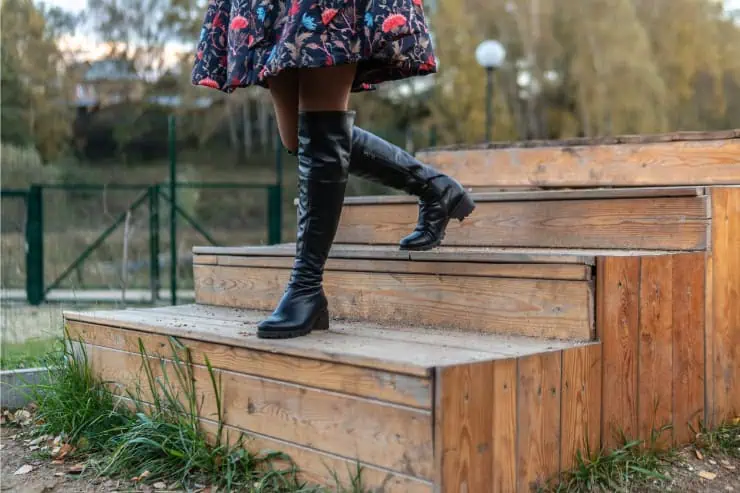
Traditional midi dresses usually fall somewhere between the mid-calf and lower calf, which can be one of the most difficult lengths to style. When the hemline hits the widest part of the calf, it visually cuts the leg line in half and makes the lower body appear shorter. This effect becomes even more noticeable for women over 50 because many wardrobes already lean toward longer hemlines and relaxed silhouettes. When combined, these elements can unintentionally create a heavier or more matronly appearance. The issue is not the midi dress itself but the exact placement of the hem, which can disrupt body proportions if it lands at the wrong point.
2. Why the Midi Length Can Make You Look Shorter

The reason midi dresses sometimes shorten the body is due to visual proportion. Fashion works largely on the principle of vertical lines, which help elongate the body and create balance. When a midi dress stops at the thickest part of the calf, it interrupts that vertical flow and draws the eye horizontally across the leg. This creates a “cut-off” effect that visually shortens the lower half of the body. For women who are petite or have a naturally shorter torso, the effect can be even more pronounced. Instead of looking streamlined and elegant, the outfit can feel bulky or compressed.
3. The Simple 2 Inch Hem Fix
One of the easiest ways to avoid the frumpy midi trap is by adjusting the hemline by just two inches. Raising the hem slightly so it falls just below the knee or lowering it slightly toward the ankle can dramatically improve the proportions of the dress. This small change shifts the hem away from the widest part of the calf and restores a longer, more flattering leg line. Many stylists recommend tailoring midi dresses rather than wearing them straight off the rack, because a small alteration can make the entire outfit look more intentional and polished.
4. The Most Flattering Midi Length for Women Over 50

For a more flattering silhouette, the best midi length typically falls either just below the knee or a few inches above the ankle. These placements avoid the widest part of the calf and create a smoother visual line from the waist down to the foot. Dresses that skim the body rather than cling tightly also help maintain a modern shape. When the hemline is balanced correctly, midi dresses can look elegant, stylish, and age-appropriate without appearing overly conservative. The goal is not to avoid midi dresses entirely but to choose versions that enhance body proportions instead of shortening them.
5. Styling Tricks That Instantly Improve the Look

Beyond adjusting the hemline, a few styling tricks can help midi dresses look more modern and flattering. Wearing shoes that show more of the foot such as pointed flats, low heels, or sleek sandals can visually extend the leg line. Choosing dresses with defined waistlines or vertical details also helps maintain proportion. Monochromatic outfits, where the shoes and dress are in similar tones, can further lengthen the silhouette. With the right adjustments, midi dresses can remain a stylish wardrobe staple for women over 50 without falling into the frumpy midi trap.