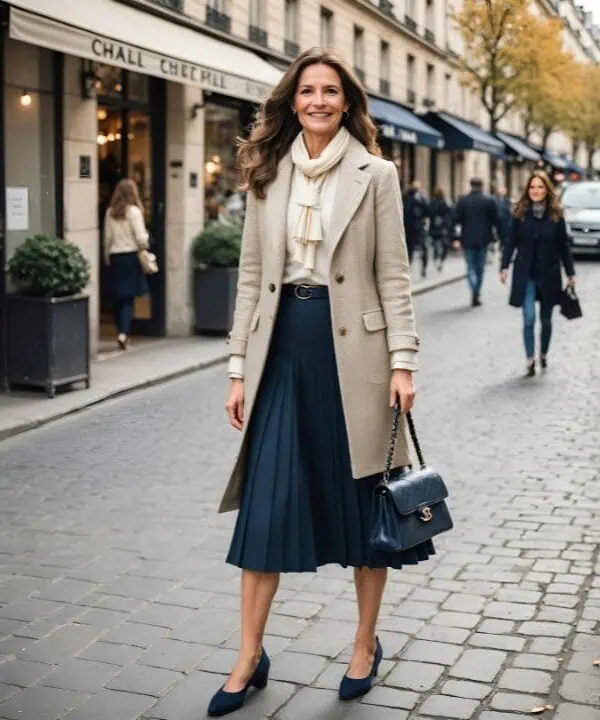
European winter style has always carried a quiet authority. Rather than chasing trends, women across Italy, Spain, and Britain rely on refined staples that evolve subtly each year while remaining grounded in tradition. Winter dressing in Europe is less about spectacle and more about mastery understanding proportion, texture, and layering in a way that feels effortless. This season, the focus is on pieces that deliver warmth, versatility, and polish without excess. Italian women lean into tailoring and sensual fabrics, Spanish women embrace strong silhouettes with modern restraint, and British women balance heritage classics with contemporary ease. Together, these influences create a winter wardrobe that feels timeless yet unmistakably current.
1. Tailored Wool Coats With Presence
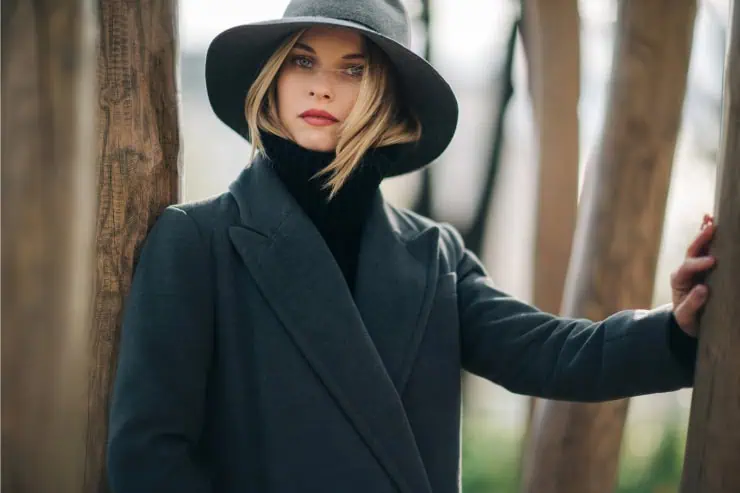
Across Italy, Spain, and Britain, a strong wool coat remains the foundation of winter dressing. This year’s versions prioritize structure without rigidity clean shoulders, defined lines, and fabrics that hold their shape while allowing movement. Italian women favor long, fluid coats in camel, charcoal, and deep navy, often worn open for effortless elegance. Spanish women gravitate toward statement proportions slightly oversized or sharply tailored to add drama without excess. British women lean into heritage cuts, embracing classic lapels and double-breasted styles. What unites these approaches is intention. The coat isn’t an afterthought; it’s the anchor that defines the entire look.
2. Elevated Knitwear That Feels Intentional
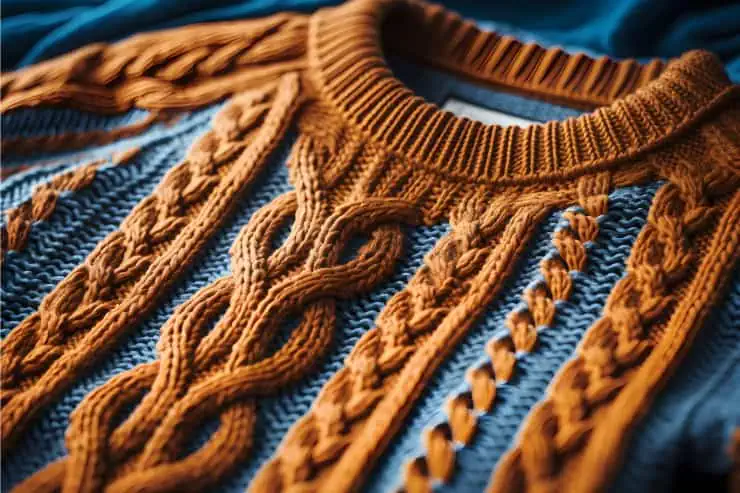
Knitwear is central to European winter wardrobes, but it’s treated as a statement of refinement rather than comfort alone. Italian women choose fine-gauge knits that skim the body and layer seamlessly under tailored pieces. Spanish women favor slightly bolder textures ribbed or structured knits that add visual interest without bulk. British women rely on classic sweaters in high-quality wool or cashmere, often styled with trousers or skirts instead of denim. The emphasis is on fit and fabric. These knits feel polished enough to replace blouses, reinforcing the idea that winter dressing can be warm and elegant simultaneously.
3. Tailored Trousers Over Casual Bottoms
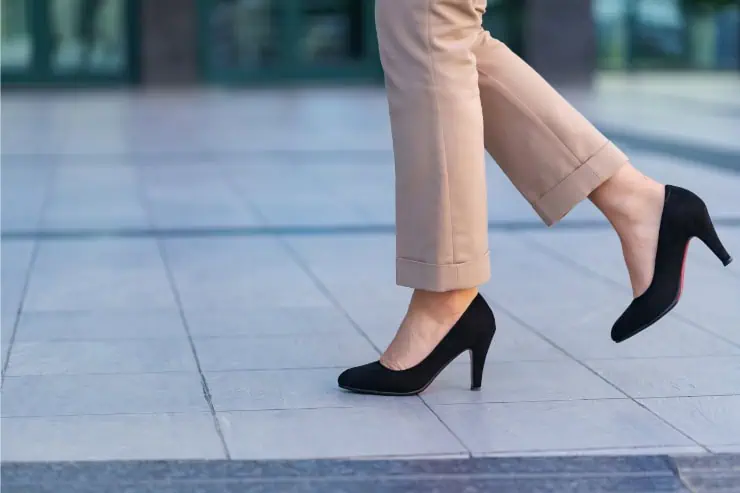
This winter, European women are once again choosing trousers over overly casual alternatives. Tailored pants whether straight-leg, softly wide, or gently tapered offer warmth, structure, and versatility. Italian women pair trousers with boots and knits for an effortlessly chic silhouette. Spanish women use trousers to create strong, elongated lines, often styled with cropped jackets or structured coats. British women mix tailored trousers with heritage layers like tweed or wool blazers. The appeal lies in balance. These trousers feel relaxed yet refined, making them suitable for work, travel, and everyday wear.
4. Boots With Substance and Simplicity
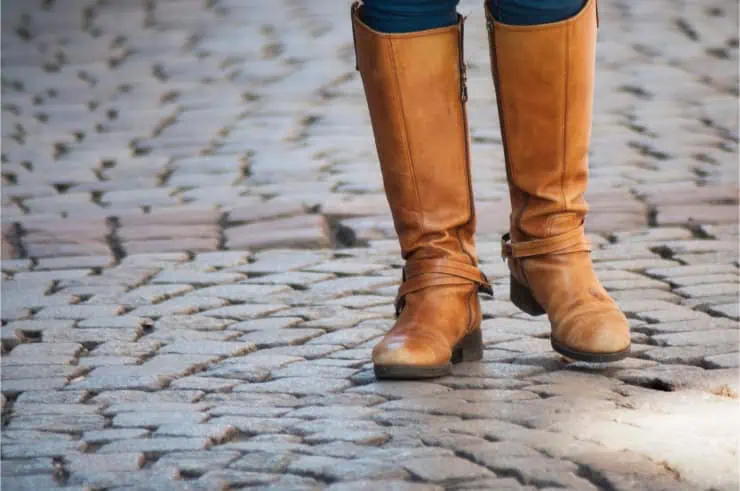
Footwear across Europe this winter leans practical without sacrificing style. Boots are sturdy, well-crafted, and intentionally understated. Italian women favor sleek leather boots with minimal hardware, often with a subtle heel. Spanish women embrace bold but clean designs chunkier soles or architectural shapes that add strength to an outfit. British women rely on classic ankle or knee-high boots that weatherproof their looks while maintaining polish. The shared priority is longevity. These boots aren’t trend-driven; they’re chosen for durability, comfort, and their ability to ground an outfit.
5. Layering With Purpose, Not Excess
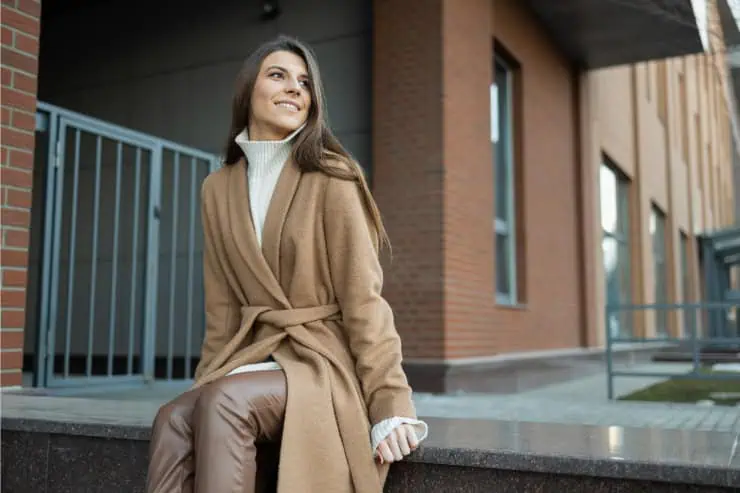
European women are masters of layering, and this winter continues that tradition with restraint. Rather than piling on pieces, layers are curated thoughtfully. Italian women layer fine knits under coats or blazers for fluidity. Spanish women use layering to create contrast structured outerwear over soft interiors. British women lean into classic layering with scarves, knits, and tailored jackets that feel cohesive rather than bulky. Each layer serves a purpose, adding warmth and depth without visual clutter. This approach ensures outfits feel intentional, not overworked.