For decades, the stiletto was synonymous with elegance. Thin, towering, and demanding, it represented polish, femininity, and formality. But fashion evolves and so do women’s lives. Today, stylists are quietly moving away from stilettos, not because heels are out, but because balance is in. Modern elegance favors stability, proportion, and confidence over endurance. As wardrobes become more fluid and versatile, the extreme stiletto often feels disconnected from how women actually move. The good news? Sophistication hasn’t disappeared it’s simply been redistributed. These five heel alternatives offer grace without strain, refinement without rigidity, and style that feels current rather than ceremonial.
Table of Contents
1. The Block Heel

Block heels have become the modern replacement for stilettos because they offer both presence and practicality. Stylists love block heels for their architectural strength they ground an outfit without overpowering it. Unlike stilettos, which concentrate weight on a narrow point, block heels distribute weight evenly, allowing for better posture and movement. This makes them ideal for longer wear without sacrificing elegance. Visually, block heels complement today’s wider trousers, midi skirts, and relaxed tailoring far better than delicate stilettos. They feel intentional rather than formal, confident rather than fragile. A sleek block heel in leather or suede delivers sophistication that feels relevant, not performative.
2. The Kitten Heel (Reimagined)
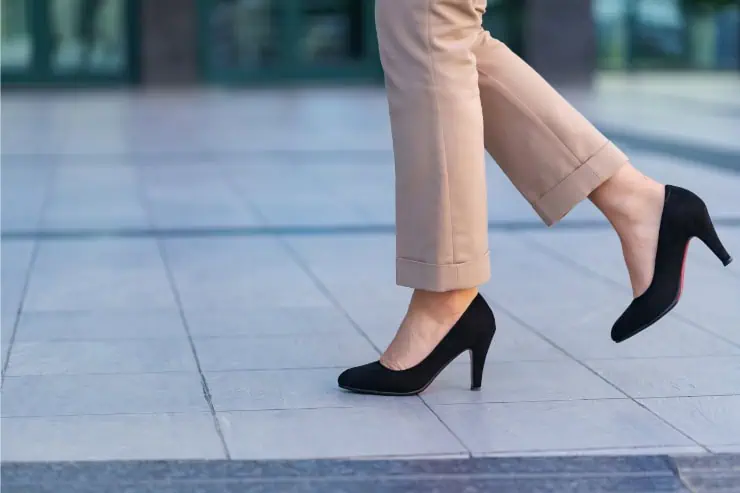
The kitten heel has shed its old reputation and returned with sharper lines and modern proportions. Stylists now favor kitten heels with pointed toes, sculptural shapes, and refined materials. The lower height offers ease while still lifting posture and elongating the leg. Unlike stilettos, kitten heels don’t dominate an outfit they support it. They work seamlessly with tailored trousers, dresses, and even denim. What makes the modern kitten heel elegant is restraint. It signals confidence without exaggeration. For women who want polish without pain, the updated kitten heel delivers quiet authority rather than dramatic flair.
3. The Sculptural Heel
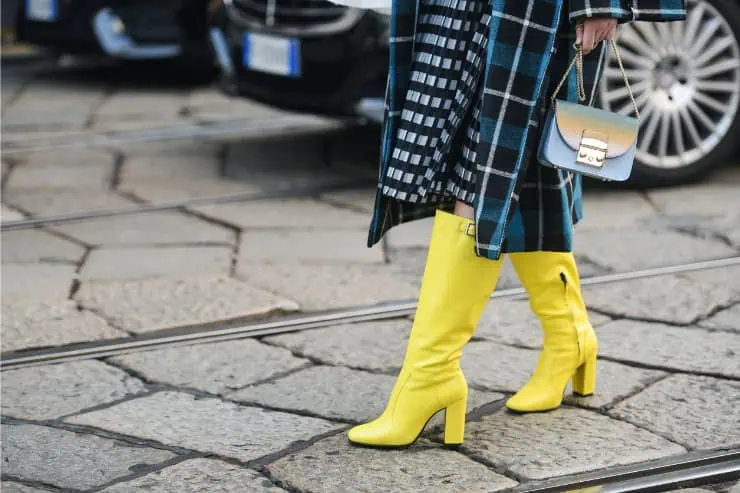
Sculptural heels bring artistry into footwear without relying on height. Stylists turn to these heels when an outfit needs interest without excess. The heel itself becomes the statement curved, geometric, or subtly asymmetric while the shoe remains stable and wearable. Sculptural heels work beautifully with minimalist outfits, adding dimension without clutter. Unlike stilettos, which demand attention through height, sculptural heels earn it through design. They feel intentional, modern, and expressive. This type of heel appeals to women who appreciate fashion as form rather than function alone, offering elegance that feels thoughtful rather than traditional.
4. The Wedge (Modernized)
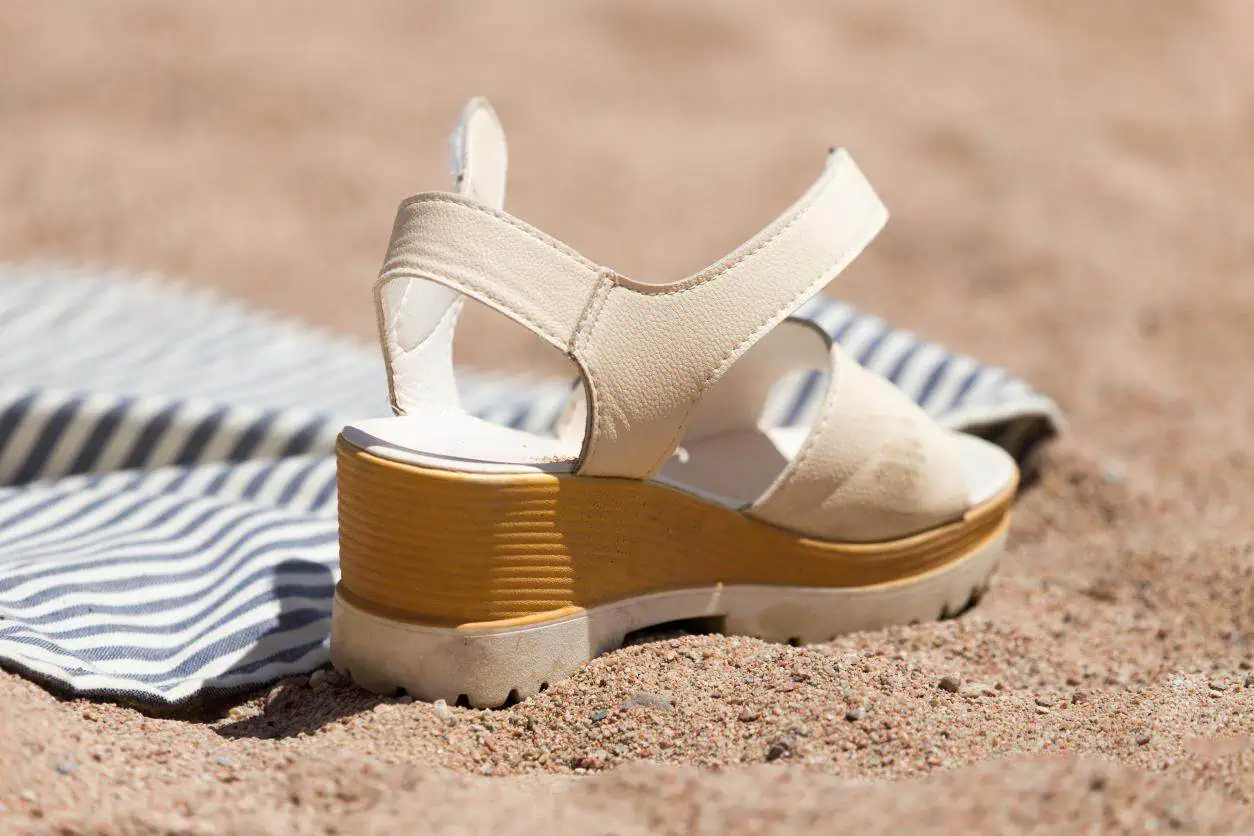
Wedges have been unfairly dismissed as casual or dated, but stylists are embracing their refined evolution. Today’s wedges are sleeker, lower-profile, and far more elegant than their predecessors. Covered wedges in leather or suede provide lift while maintaining stability. They elongate the leg without creating imbalance and pair especially well with dresses and wide-leg trousers. Stylists note that wedges feel grounded, which aligns with modern style’s emphasis on ease and confidence. Unlike stilettos, wedges don’t fight the body they support it. When designed thoughtfully, they offer grace with practicality, making them a smart alternative for everyday elegance.
5. The Low Heel Pump
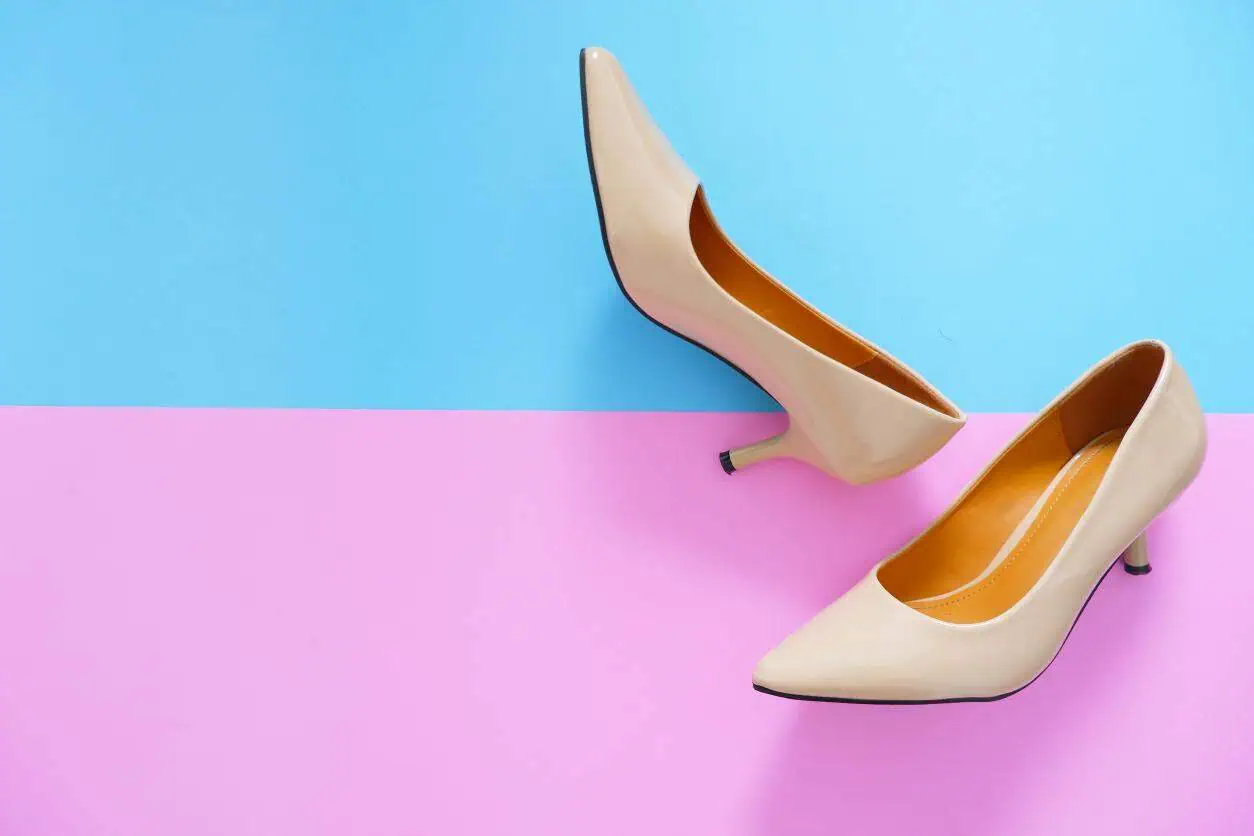
The low heel pump typically one to two inches has quietly become a stylist favorite. It offers the refinement of a classic pump without the strain of a stiletto. The key is proportion: a slightly thicker heel, a clean toe shape, and quality materials. Stylists often recommend low heel pumps for professional and social settings where polish matters but comfort cannot be compromised. They maintain the formal language of heels while adapting it to modern life. Unlike stilettos, which can feel overly ceremonial, low heel pumps feel composed and realistic. They suggest confidence rooted in experience rather than display.