Spring fashion often leans predictably toward light florals and airy pastels, but a quieter shift has been unfolding: the rise of dark romantic style. This aesthetic balances femininity with depth, pairing delicate textures like lace and chiffon with darker hues such as black, wine, plum, and midnight blue. The result feels sophisticated rather than sweet, and expressive rather than seasonal. Designers and street style alike are embracing contrast sheer against structured, soft against sharp creating outfits that feel emotional, elegant, and slightly mysterious. The appeal lies in its versatility: dark romantic pieces transition seamlessly from day to evening while offering a fresh alternative to conventional spring dressing.
Table of Contents
1. Sheer Layers Over Dark Foundations
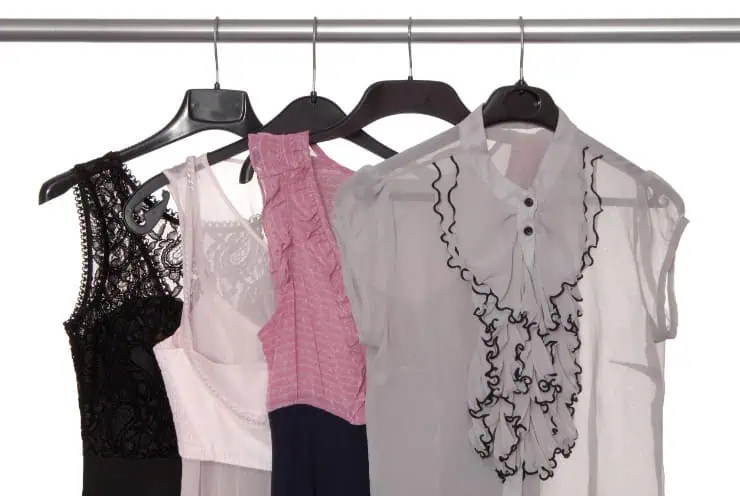
One of the most defining elements of the dark romantic trend is the use of transparency layered over opacity. Sheer blouses, tulle skirts, and gauzy overlays appear especially striking when paired with darker underlayers like black camisoles, slip dresses, or tailored trousers. This interplay creates depth and intrigue without revealing too much, allowing softness to coexist with modesty. The visual effect feels airy yet grounded, which makes it suitable even in spring weather. Sheer layering also adds movement, catching light subtly as the wearer moves. Unlike typical spring sheers styled in pale tones, darker palettes lend sophistication and emotional nuance, making outfits feel intentional rather than delicate. This technique allows romantic fabrics to feel modern and wearable rather than overtly feminine or costume-like.
2. Lace Reimagined in Modern Silhouettes

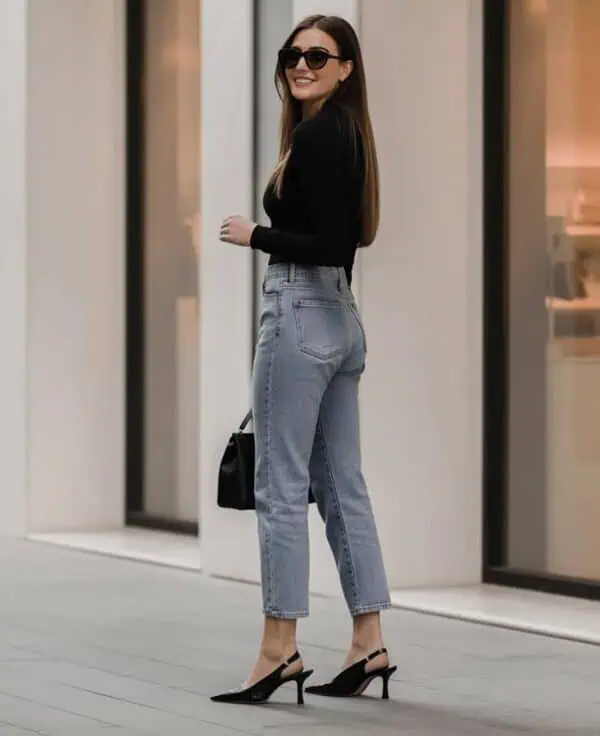
Lace has long been associated with vintage romance, but the current iteration moves away from traditional cuts toward cleaner, contemporary shapes. Instead of frilly dresses or ornate trims, designers are using lace in tailored shirts, column skirts, wide-leg trousers, and minimalist slip dresses. The contrast between intricate textile and simple silhouette modernizes the material instantly. Dark shades black, espresso, oxblood further strip away bridal associations, replacing them with sophistication. This approach allows lace to function as texture rather than decoration, integrating easily into everyday wardrobes. Women are pairing lace tops with denim or structured blazers, balancing delicacy with practicality. The effect is quietly dramatic: romantic yet restrained, making lace feel relevant beyond special occasions.
3. Moody Florals and Shadowed Prints
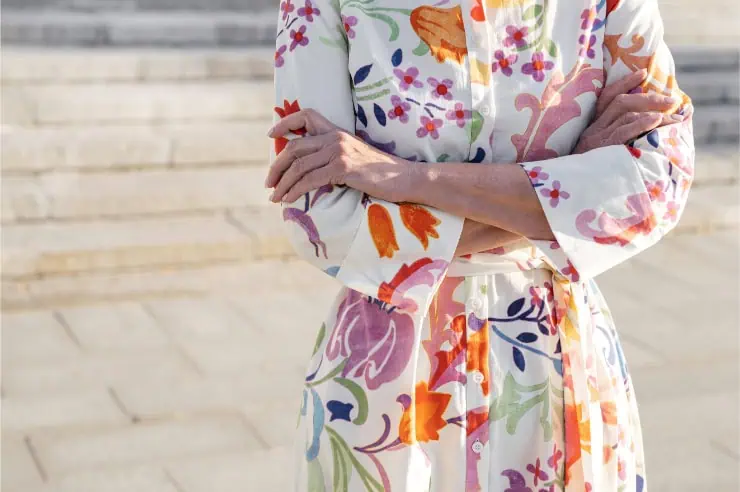
Florals remain central to spring, but dark romantic styling transforms them through color and contrast. Instead of bright botanical patterns, prints appear on black or deep-toned backgrounds with muted blooms in burgundy, plum, or faded rose. These “shadowed florals” feel atmospheric and painterly rather than cheerful. The darker base grounds the pattern, making it easier to style with neutral tailoring or leather accents. This evolution preserves the seasonal connection to nature while avoiding predictability. The mood shifts from fresh and sweet to introspective and elegant. Many wearers find these prints more flattering and versatile, as they pair seamlessly with darker footwear and outerwear. The result is floral dressing that feels mature, modern, and emotionally expressive.
4. Soft Structured Contrast Styling
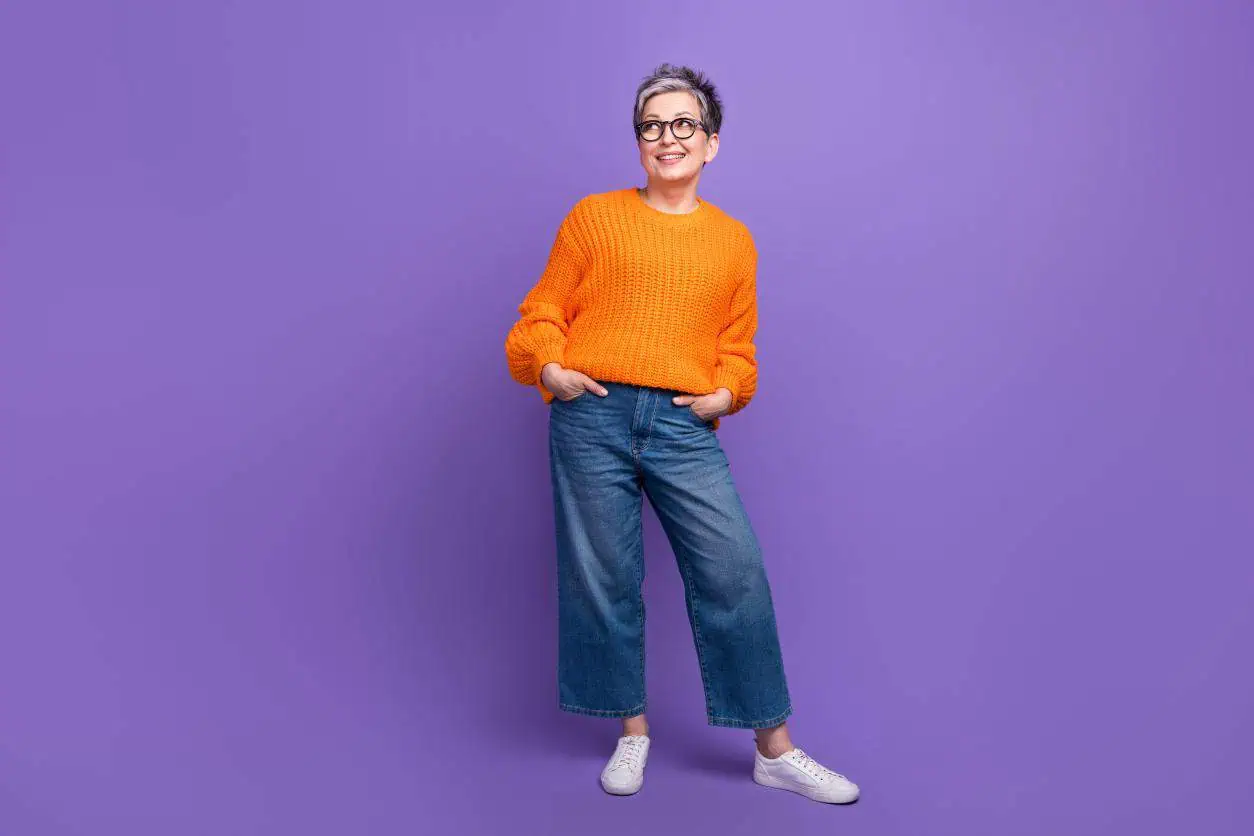
Dark romantic outfits thrive on tension between opposing elements. Flowing dresses meet sharp boots, chiffon blouses pair with tailored trousers, and ruffled tops sit under structured jackets. This balance prevents the look from becoming overly delicate or theatrical. Structured pieces anchor the softness, while romantic fabrics soften tailoring’s severity. The interplay creates dimensional silhouettes that feel contemporary. Spring iterations often feature lightweight tailoring relaxed blazers or cropped jackets so the contrast remains seasonally appropriate. This styling principle is key to making dark romance wearable for everyday life rather than confined to eveningwear. The combination communicates strength and sensitivity simultaneously, which is central to the trend’s appeal.
5. Deep Jewel Tones Replacing Pastels
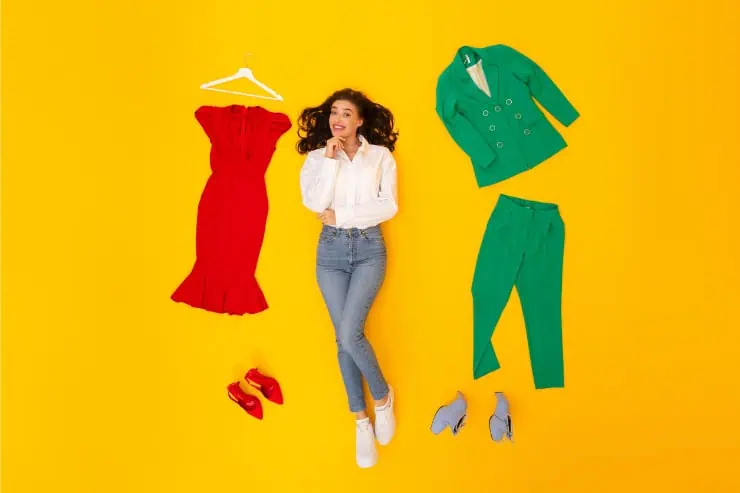
Color is perhaps the most visible shift in dark romantic spring fashion. Instead of powder blue, lilac, or blush, palettes lean toward garnet, emerald, amethyst, and midnight navy. These hues maintain richness while still feeling seasonal due to their saturation and luminosity. Jewel tones also complement a wider range of complexions, offering warmth and depth without heaviness. When used in lightweight fabrics silk, chiffon, fine knits they feel appropriate for warmer months despite their intensity. The emotional tone changes as well: outfits appear confident and expressive rather than gentle. This palette shift allows spring wardrobes to feel fresh without relying on predictable lightness.