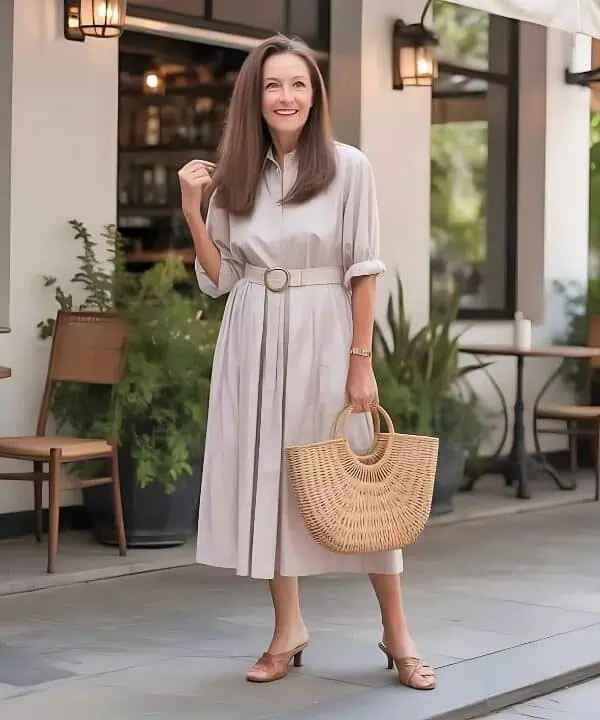
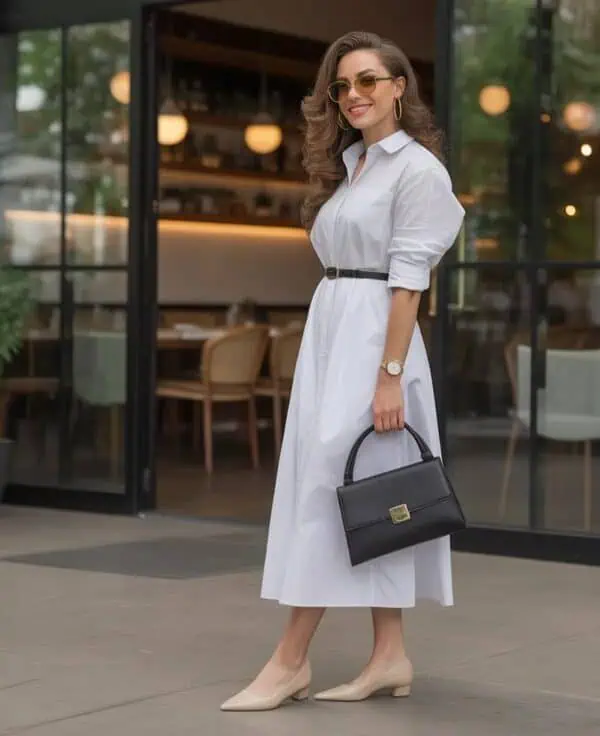
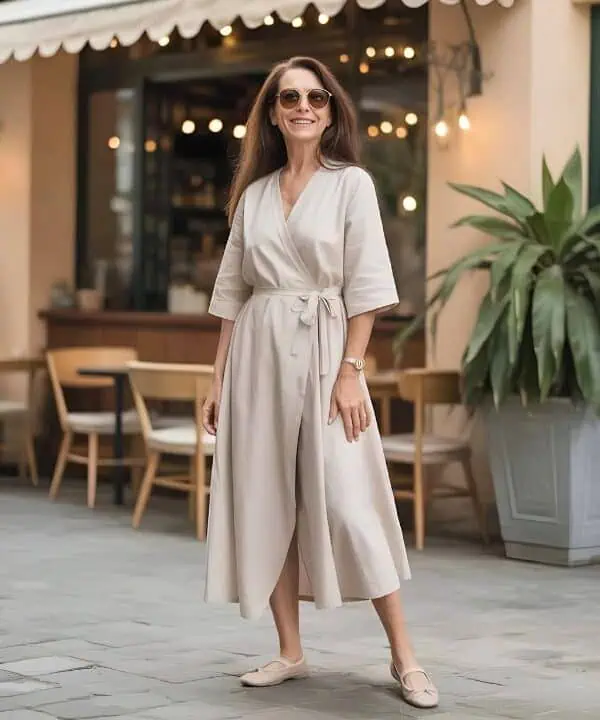
Comfort shoes aren’t the problem default comfort shoes are. Stylists see this constantly: women invest in clothing that fits well and feels modern, only to undermine the entire outfit with footwear chosen purely out of habit or fear of discomfort. Over time, certain “sensible” shoe styles have become visual shortcuts for dated dressing, not because they’re practical, but because their shape, weight, or styling no longer aligns with modern proportions. Comfort and style are no longer opposites. Today’s most modern looks prioritize ease and intention. These seven shoe styles aren’t aging women because they’re flat or supportive they’re aging outfits because they freeze them in an outdated visual era.
Table of Contents
1. Overly Chunky Walking Shoes Worn Outside Athletic Settings
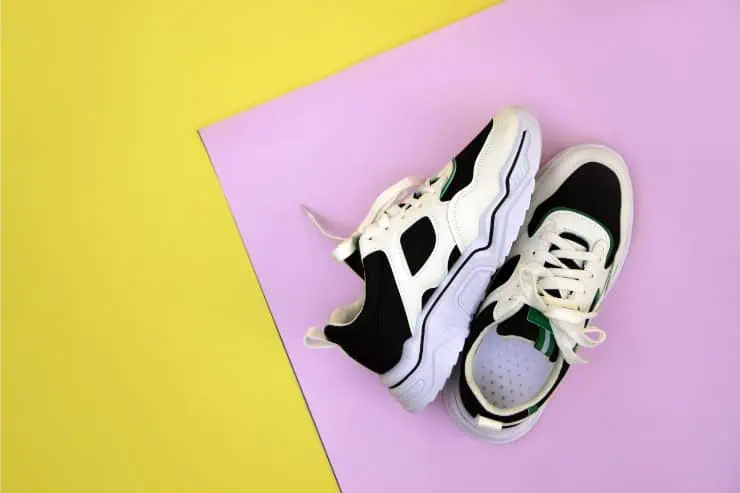
Walking shoes designed purely for exercise often end up worn everywhere out of convenience. Stylists immediately notice when heavily cushioned, thick soled walking shoes are paired with everyday outfits. The issue isn’t comfort it’s visual weight. These shoes overpower outfits, pulling the eye downward and disrupting proportion. When worn outside of actual walking or fitness contexts, they make clothing look frumpy rather than relaxed. Modern comfort shoes are streamlined, intentional, and integrated into the outfit.
2. Rounded Toe Flats With No Structure

Ultra soft, rounded-toe flats often marketed as “foot-friendly” are a common comfort trap. Stylists note that these shoes lack visual definition, which causes outfits to lose sharpness. When shoes collapse or bend excessively, the entire outfit reads as tired. These flats often pair poorly with modern silhouettes, especially wider pants or longer hems. The result is an outfit that feels dragged down. Comfort flats can still look current when they have structure, a refined toe shape, or a clean sole. It’s the shapelessness not the flatness that adds years.
3. Thick Velcro Strap Sandals Worn as Daily Shoes
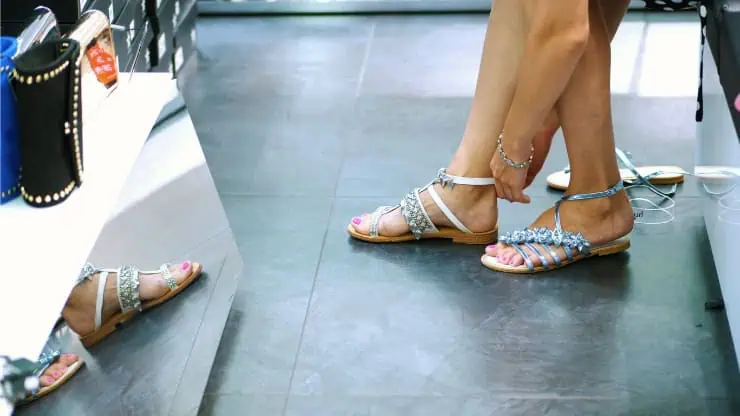
Velcro straps may be functional, but stylists agree they immediately signal utilitarian dressing when worn outside specific needs. Thick straps, bulky soles, and exposed fastenings draw attention to the shoe in a way that feels medical rather than modern. These sandals often overpower the foot and clash with everyday clothing. While supportive sandals exist that look current, this style in particular dates outfits because it prioritizes function without visual balance. When comfort becomes the only visible intention, style quietly disappears.
4. Low, Wide Heels With Heavy Uppers
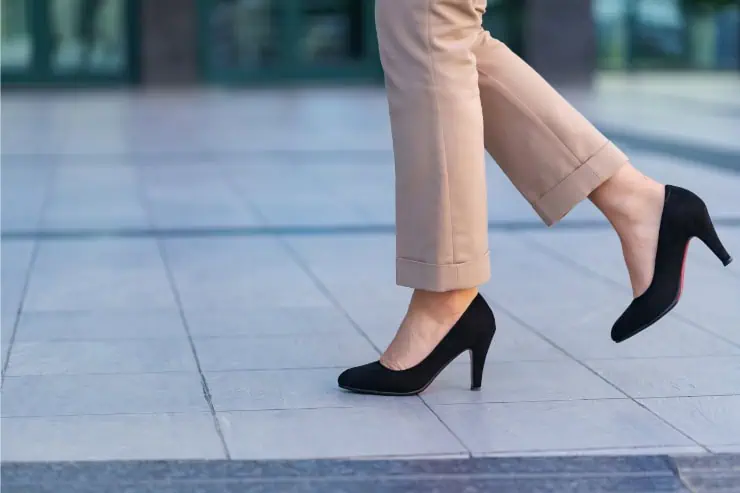
Not all low heels are equal. Stylists frequently flag shoes with low, wide heels combined with thick uppers or excessive padding. These styles often feel stuck in a previous decade’s idea of “dressy comfort.” They visually shorten the leg and add bulk where modern shoes aim for balance. The problem isn’t heel height it’s proportion. Modern low heels are lighter, cleaner, and more intentional. Heavy, blocky designs read as dated because they don’t align with today’s streamlined silhouettes.
5. Outdated Ballet Flats With Thin Soles and Bows
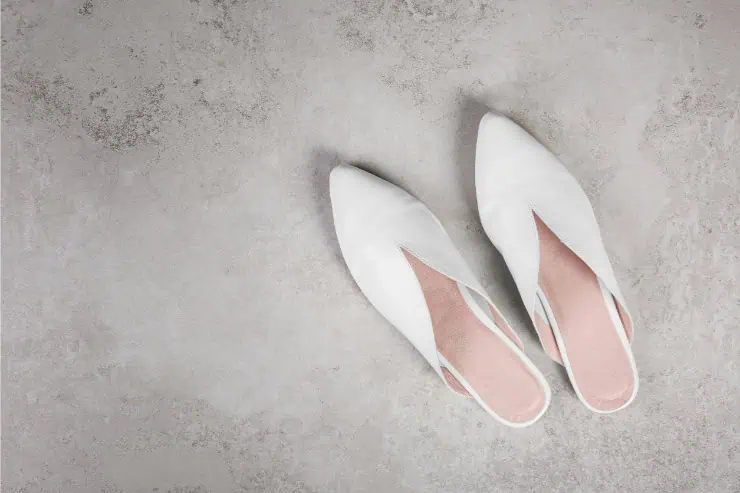
Classic ballet flats once symbolized timeless style, but certain versions now age outfits significantly. Thin-soled flats with bows, elastic edges, or shiny finishes often lack structure and support both visually and physically. Stylists say these shoes feel fragile and overly juvenile, which clashes with mature, modern clothing. They also offer little grounding, making outfits feel unfinished. Modern flats succeed when they have substance: better soles, cleaner lines, and intentional materials. It’s not the idea of a ballet flat it’s the outdated execution.
6. Orthopedic Style Shoes Chosen by Default, Not Necessity
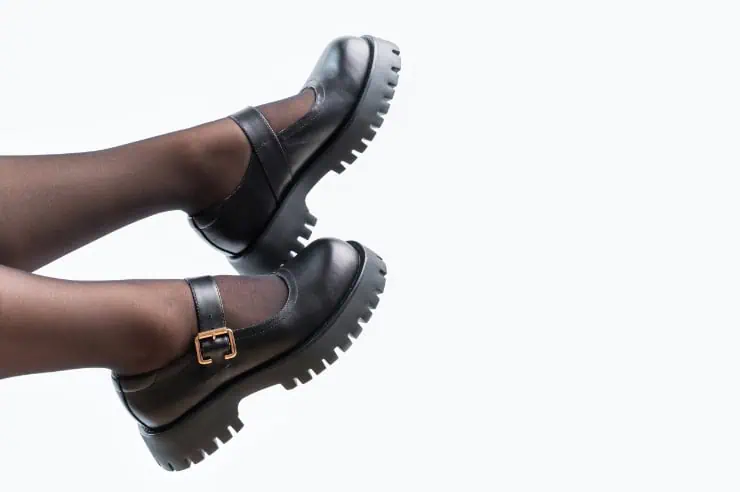
Stylists are careful here: supportive shoes are essential for many women. The issue arises when orthopedic-style shoes are worn by default rather than need. These shoes often prioritize correction over proportion, resulting in bulky shapes that dominate outfits. When worn unnecessarily, they signal fear-based dressing rather than thoughtful choice. Modern supportive footwear now exists with sleek profiles and intentional design. When comfort shoes look purely corrective, they age outfits by removing any sense of balance or style consideration.
7. Shoes That Haven’t Changed in 10+ Years

Perhaps the most aging factor of all is familiarity. Stylists often say, “I’ve seen this shoe for a decade.” Shoes that haven’t evolved in shape, sole, or styling quietly freeze outfits in time. Even if well-maintained, outdated silhouettes signal stagnation. Modern style doesn’t require constant updating but it does require awareness. When shoes are refreshed periodically, even simple outfits feel current. Holding onto the same “sensible” shoe too long can age a look more than wrinkles ever could.