Blazers are one of the most versatile pieces in a wardrobe. They can instantly make casual outfits look polished and give structured elegance to dresses, jeans, and trousers. However, many women struggle with finding the right blazer fit. With the rise of oversized tailoring trends, it’s easy to end up wearing a blazer that feels more like a borrowed jacket than a flattering fashion piece. When the shoulders are too wide or the length too long, the blazer can overwhelm your shape instead of enhancing it. The key to a great blazer isn’t just the style it’s proportion, structure, and how it complements your body.
Table of Contents
1. Why Oversized Blazers Often Miss the Mark
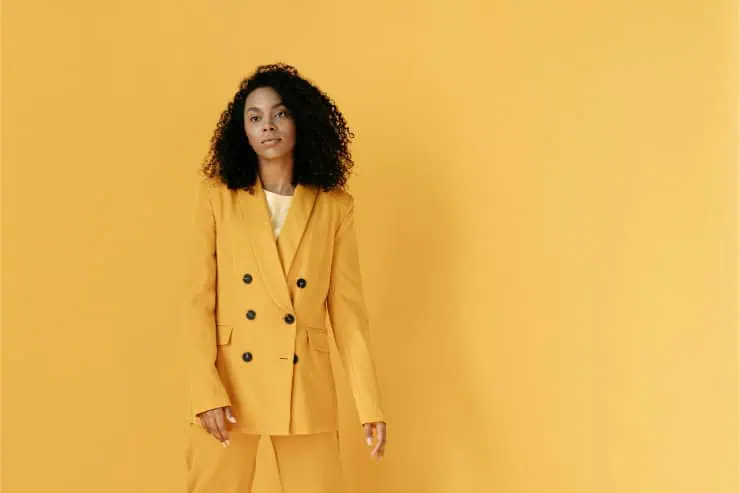
Oversized blazers became popular through runway and street-style trends, where exaggerated silhouettes are often intentional. However, these proportions don’t always translate well to everyday wardrobes. Blazers that are too large in the shoulders, sleeves, or torso can make the body appear smaller and the clothing look shapeless. Instead of creating a powerful tailored look, the result may resemble a jacket borrowed from someone much larger. The goal of a blazer is to provide structure and definition. When the fit becomes too loose, that structure disappears and the outfit loses its polished effect.
2. The Importance of Shoulder Fit
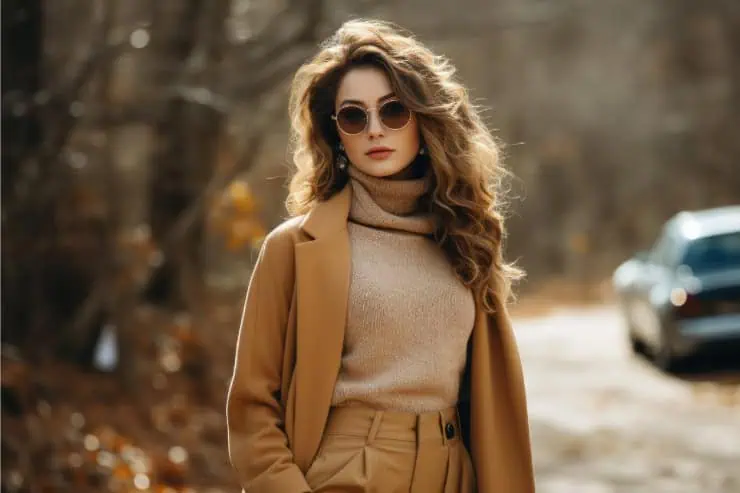
The shoulders are the most critical part of a blazer’s fit. Ideally, the shoulder seam should align closely with the natural edge of your shoulder. When the seam extends too far outward, the blazer begins to look oversized and sloppy. Proper shoulder fit instantly improves the appearance of the entire jacket because it anchors the garment in the right place on the body. Even if the blazer has a relaxed silhouette, keeping the shoulders properly aligned helps maintain a tailored and intentional look.
3. How Length Changes the Entire Silhouette
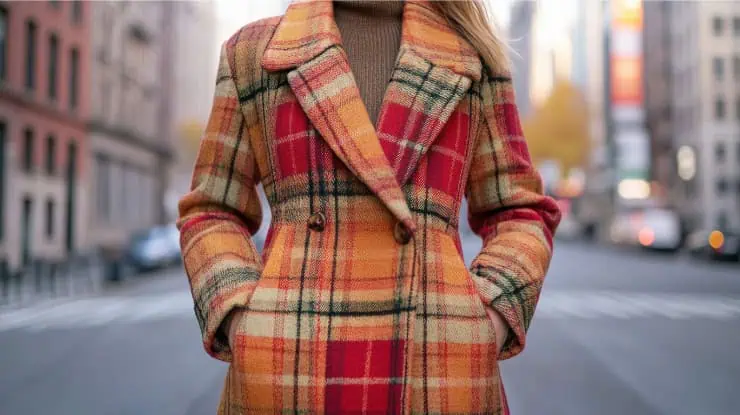
Blazer length plays a significant role in overall proportion. A jacket that is too long can visually shorten the legs and overwhelm the torso, particularly for petite frames. Ideally, many flattering blazers fall around the hip bone or slightly below it. This length helps maintain balance between the upper and lower body. Cropped or slightly shorter blazers can also work well with high-waisted trousers or skirts, creating a clean and modern silhouette.
4. The Role of Waist Definition
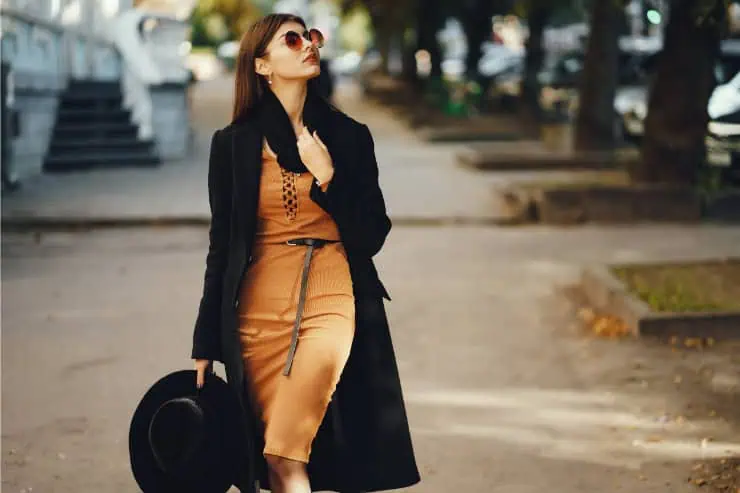
One reason some blazers appear masculine or oversized is the absence of waist shaping. A well-designed blazer often includes subtle tailoring through the waist to create a gentle hourglass effect. This doesn’t mean the jacket has to be tight, but a slight taper helps define the silhouette and prevents the garment from looking boxy. Details such as darts, seams, or adjustable belts can also contribute to a more flattering shape.
5. Small Details That Make a Blazer Look Tailored
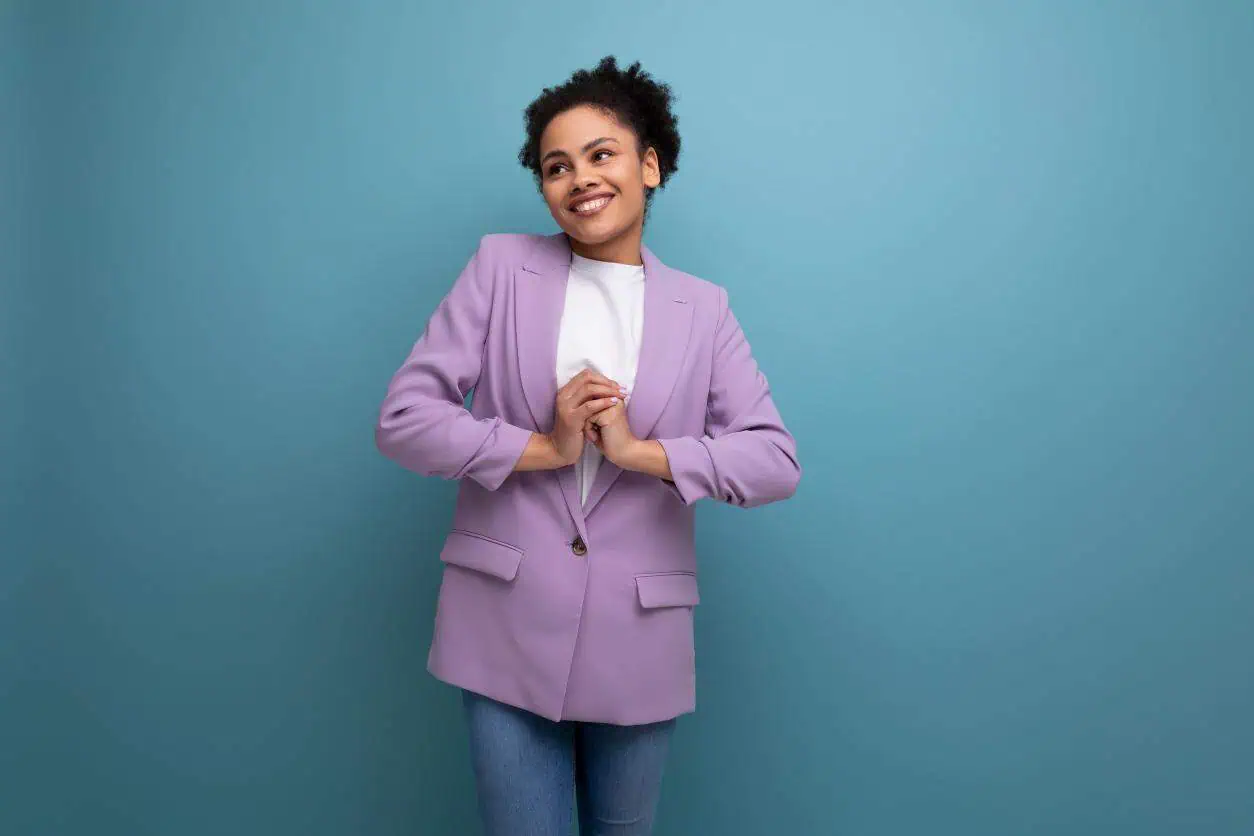
Several small design elements can elevate the look of a blazer. Sleeve length, for example, should usually end near the wrist bone so the hands remain visible and the proportions stay balanced. Buttons, lapels, and fabric weight also influence the final look. Lightweight fabrics create a softer silhouette, while structured materials provide a more classic tailored appearance. Paying attention to these details ensures the blazer enhances your outfit rather than making it appear oversized or borrowed.