Valentine’s Day fashion carries a unique pressure to appear romantic, feminine, and special, which is exactly why so many outfits end up feeling forced or overly thematic rather than naturally stylish. In the rush to dress for the occasion, people often rely on predictable colors, impractical fabrics, or novelty details that photograph well but don’t translate to real-life elegance. True romantic style should feel confident, refined, and wearable beyond a single evening not costume like or trend-dependent. Recognizing the most common Valentine’s styling mistakes helps you build looks that feel intentional, flattering, and timeless. When romance is expressed through balance and sophistication instead of clichés, outfits retain both charm and polish.
Table of Contents
1. Treating Red and Pink as Mandatory Instead of Optional
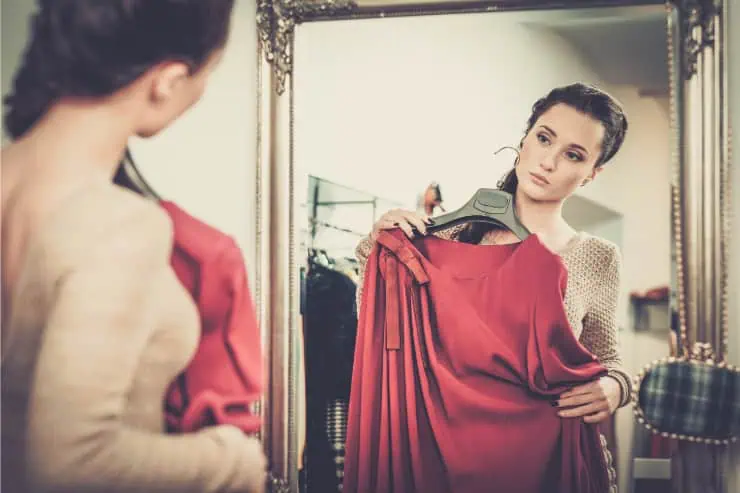
One of the most persistent Valentine’s style habits is assuming the outfit must include red or pink to feel appropriate, which often leads to choices driven by theme rather than personal style. While these colors are strongly associated with romance, forcing them into an outfit can create visual disconnect if they aren’t already flattering or aligned with your wardrobe palette. The result can feel costume-like or seasonal rather than authentic. Romance in clothing comes from softness, confidence, and detail not a specific hue.
2. Choosing Pieces That Prioritize Aesthetic Over Comfort
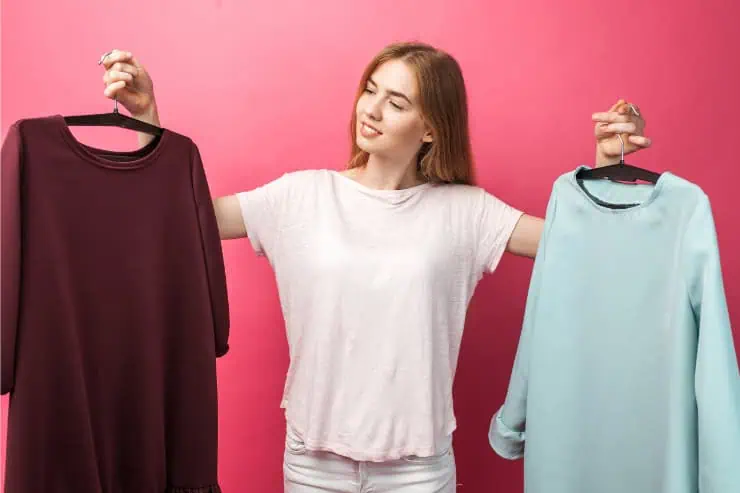
Valentine’s outfits are frequently selected for visual impact rather than wearability, which leads to garments that restrict movement, require constant adjustment, or feel physically uncomfortable throughout the evening. Tight dresses, slippery fabrics, or unstable heels may photograph beautifully but undermine confidence when worn in real settings. Discomfort shows in posture and movement, subtly diminishing the polished effect the outfit was meant to create. True style is inseparable from ease; garments should allow natural motion and secure fit so attention remains on the person rather than the clothing.
3. Overloading the Outfit With Literal Romantic Details

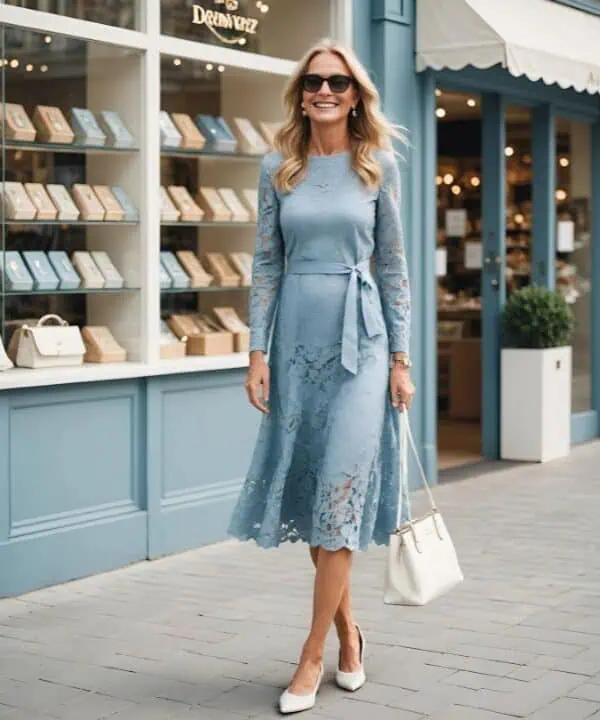
Combining multiple overtly romantic elements such as lace, bows, ruffles, hearts, and satin within a single outfit often creates visual excess that feels theatrical rather than refined. Each of these details can be beautiful individually, but together they compete for attention and overwhelm the silhouette. The result resembles occasion costume rather than personal style, especially when paired with themed accessories or makeup. Romantic elegance depends on restraint and focus, allowing one key element to define the mood while the rest of the outfit remains balanced.
4. Wearing Fabrics Unsuitable for the Season or Setting
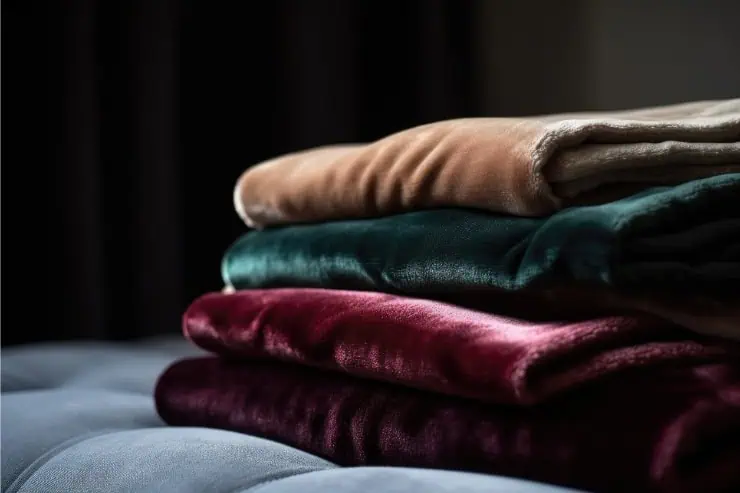
Many Valentine’s garments prioritize delicacy over practicality, leading to outfits that clash with weather, venue, or activity. Lightweight slips in cold climates, heavy velvet in warm interiors, or sheer fabrics in casual settings create discomfort and visual mismatch that undermines polish. Seasonal awareness is part of refined dressing; fabrics should support both environment and occasion so the outfit appears intentional rather than aspirational. When clothing looks disconnected from surroundings, it can feel staged instead of authentic.
5. Copying Trendy Valentine’s Looks Without Personal Adaptation
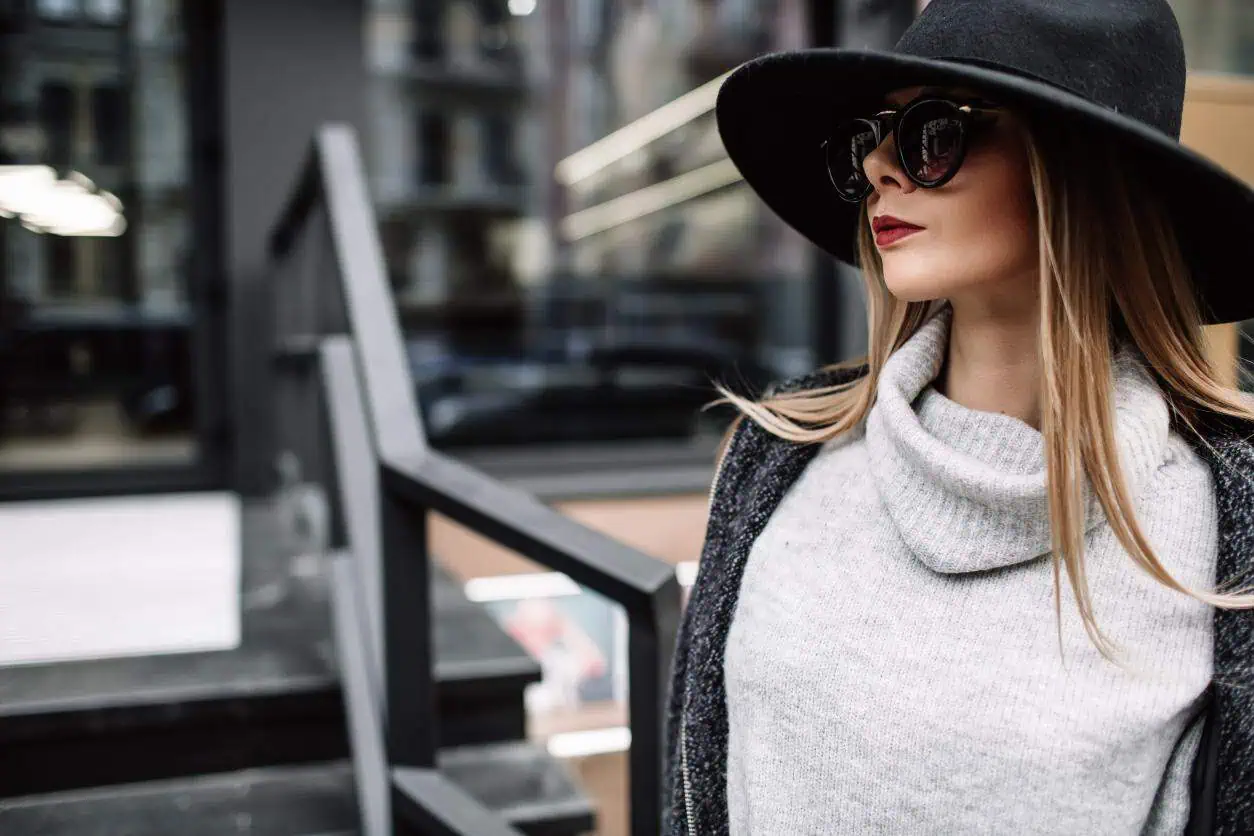
Social media and seasonal marketing promote highly styled Valentine’s outfits that often rely on specific body types, lighting, or staging to appear flattering. Reproducing these looks exactly without adjusting for personal proportions, coloring, or lifestyle frequently leads to disappointment. What works visually on a model or influencer may not translate to different frames or contexts. Style becomes strongest when trends are interpreted rather than copied perhaps adopting a color accent, silhouette, or texture rather than the full ensemble. Blind replication removes individuality and can highlight fit or proportion issues.