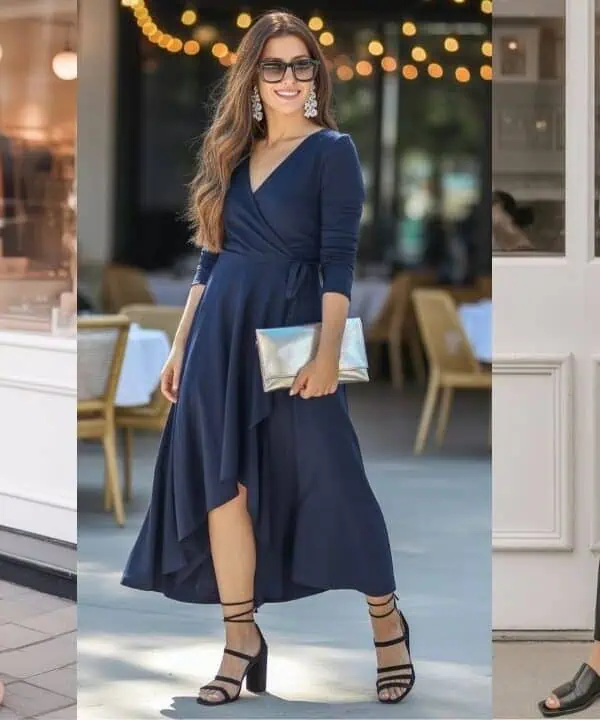
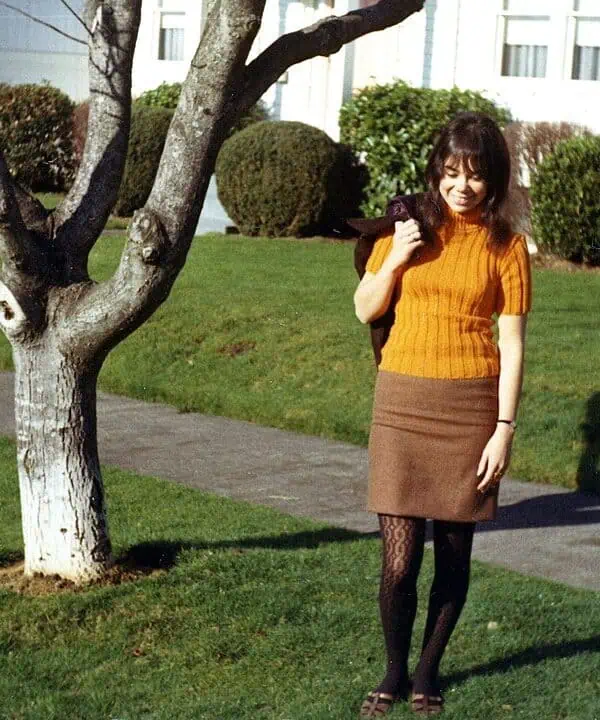
Belts are one of the most underestimated tools in a wardrobe. Many people treat them as purely functional, choosing the same placement out of habit for decades. What’s often overlooked is how dramatically belt placement affects proportion, posture, and visual balance. As bodies and fashion silhouettes evolve, sticking to outdated waist placement can quietly shorten the torso, widen the midsection, and pull the eye downward. Younger generations use belts intentionally, not rigidly. They shift placement to suit modern cuts, fabrics, and lifestyles. When belts are worn on autopilot, they can age an outfit instantly. This intervention isn’t about trends it’s about understanding how small adjustments in waist placement can refresh your entire silhouette without changing your body or buying new clothes.
Table of Contents
1) Low Hip Placement Shortens the Leg Line

Wearing belts low on the hips was once associated with casual ease and comfort, but today it often works against proportion. Low placement visually lengthens the torso while shortening the legs, creating a grounded, heavy effect. As bodies change with age, this imbalance becomes more noticeable. The eye is pulled downward, emphasizing the midsection rather than creating lift. Modern silhouettes favor a higher visual waist, even when the garment itself isn’t high waisted. Shifting belt placement upward by even an inch can dramatically change how tall and balanced you appear. Holding onto low placement out of habit often ages the silhouette more than any specific garment ever could.
2) Wearing the Belt at the Widest Part of the Waist Adds Bulk
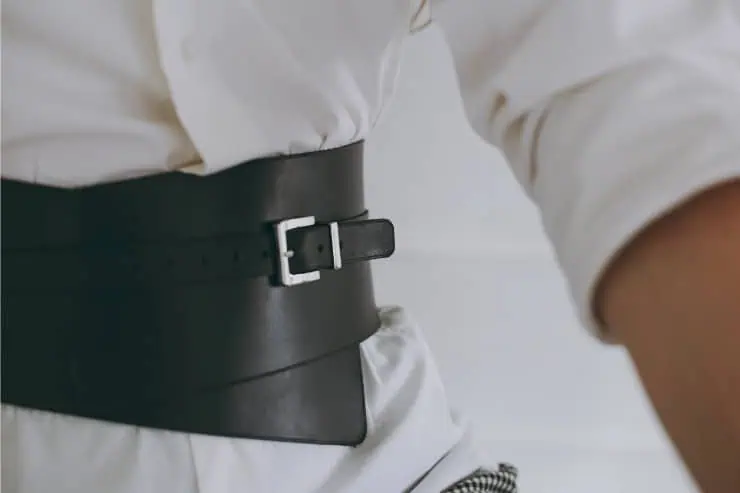
Many people instinctively place belts where clothing feels most secure, which is often the widest part of the waist or midsection. Unfortunately, this placement draws attention directly to fullness rather than shape. Belts act like visual highlighters. When placed at the widest point, they emphasize circumference instead of creating definition. This can make outfits feel heavier and more rigid. Modern styling places belts where they create illusion, not accuracy. Slightly higher or lower placement can define shape without spotlighting width. Aging silhouettes often come from overly literal dressing rather than strategic placement.
3) Rigid Belts Freeze the Body in Outdated Proportions
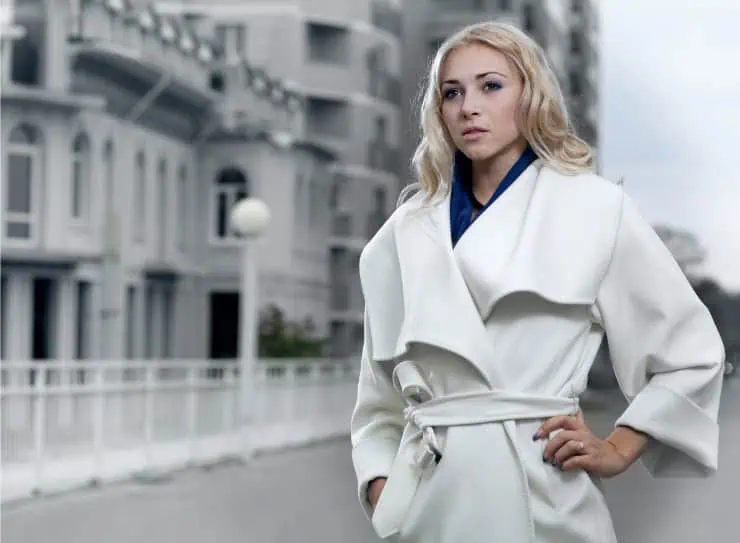
Stiff, structured belts worn tightly at a fixed height lock the body into one proportion regardless of outfit or fabric. This rigidity often dates a look. As clothing has become softer and more fluid, hard belt lines can feel abrupt and old-fashioned. Younger generations favor flexible placement, softer materials, or belts that suggest a waist rather than carve it. When belts dominate an outfit instead of supporting it, they disrupt flow. This creates visual tension that reads as outdated. Allowing the belt to move with the outfit rather than dictate it modernizes the silhouette immediately.
4) Always Belting Dresses Can Break Vertical Flow

Belting every dress is a common habit rooted in the idea that a waist must always be defined. While definition can be flattering, constant interruption of vertical lines can shorten the frame. Dresses that are designed to skim or drape often lose elegance when belted unnecessarily. The belt cuts the body in half, especially if placed too low or too tight. Modern silhouettes often favor uninterrupted lines that elongate the body naturally. Letting a dress hang as intended doesn’t mean hiding shape it means trusting proportion. Over-belting is one of the quiet ways silhouettes become visually compressed.
5) Matching Belt Placement to Old Rules Instead of New Cuts
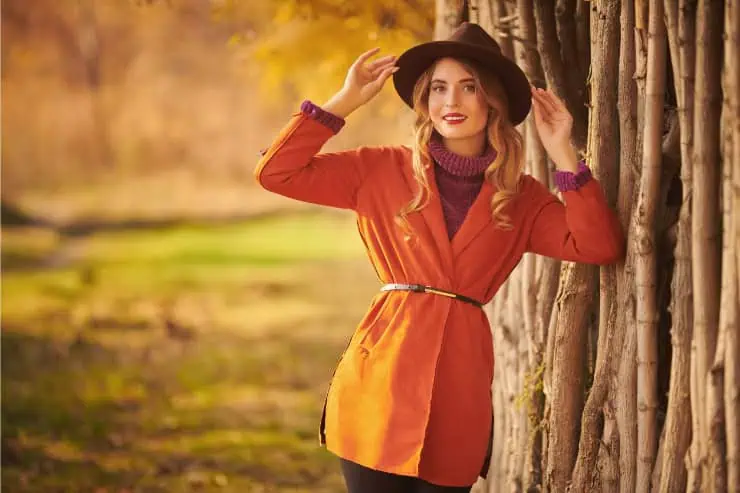
Many belt habits are based on outdated rules learned decades ago, applied to modern clothing that follows entirely different design logic. High rise trousers, dropped waists, boxy tops, and fluid fabrics require new thinking. Applying old belt placement rules to new cuts creates confusion and imbalance. Younger generations adjust belts to the garment, not the guideline. When belts are worn where they “used to go” rather than where they make sense now, the outfit feels stuck between eras. Updating belt placement is often the missing link between modern clothing and an aging silhouette.