Tartan has always carried history with it. Long associated with heritage dressing, school uniforms, and classic outerwear, the print spent years hovering on the edge of fashion relevance. In 2026, that changed. Rather than returning as a bold statement or nostalgic novelty, tartan quietly reentered wardrobes in a way that feels modern, refined, and surprisingly versatile. Designers, stylists, and editors began treating tartan not as a pattern to announce, but as a neutral with depth. This revival isn’t about tradition it’s about reinterpretation. Softer colorways, cleaner cuts, and thoughtful styling have transformed tartan into one of the year’s most wearable prints. Here’s how a once formal classic became an unlikely everyday fashion staple.
Table of Contents
1. Tartan Shifted From Statement to Subtle
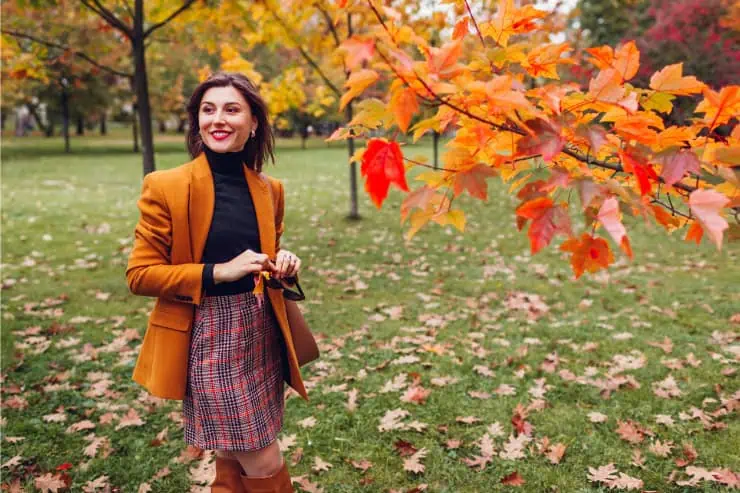
One of the biggest reasons tartan works in 2026 is its shift in role. Instead of being the focal point of an outfit, it’s now used as a grounding element. Designers moved away from oversized plaids and high-contrast colors, opting instead for muted tones, smaller-scale patterns, and softer fabrics. This makes tartan feel less theatrical and more integrated. When worn in tailored trousers, midi skirts, or lightweight layers, it reads as intentional rather than costume-like. By dialing down its visual dominance, tartan becomes adaptable something that supports an outfit instead of defining it outright.
2. Modern Silhouettes Changed the Conversation
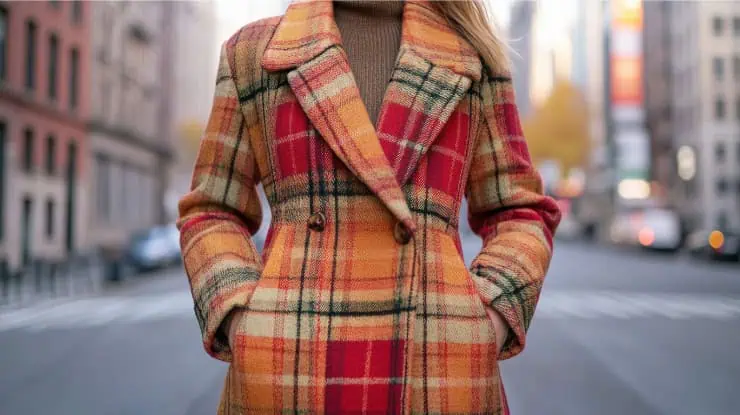
Another key factor in tartan’s revival is silhouette. In the past, tartan was often paired with traditional shapes that reinforced its classic reputation. In 2026, it’s being applied to modern forms relaxed trousers, fluid skirts, minimal dresses, and softly structured jackets. This contrast between old-world pattern and contemporary cut makes tartan feel fresh. When the shape feels current, the print follows suit. Fashion insiders point out that tartan works best now when the silhouette does most of the work, allowing the pattern to add depth rather than drama.
3. Neutral Styling Made It Wearable
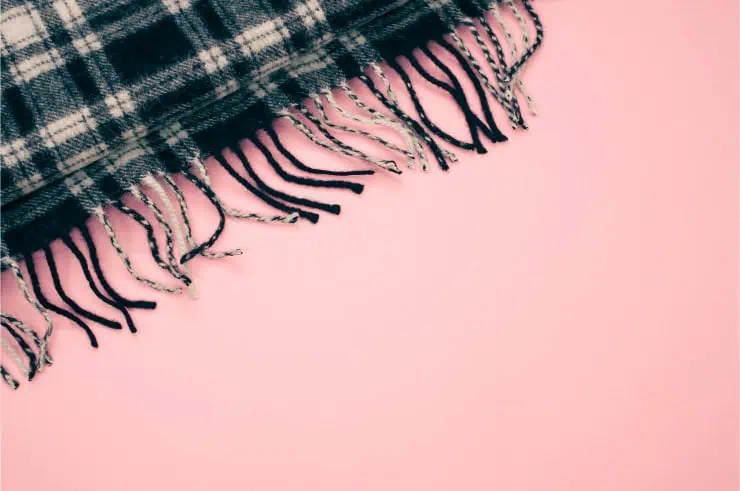
Tartan’s comeback is closely tied to how it’s being styled. In 2026, outfits featuring tartan are rarely busy. Instead, the print is paired with solid neutrals cream knits, black tailoring, gray coats, and brown leather accessories. This restrained styling keeps the look grounded and wearable. By treating tartan like a textured neutral rather than a bold print, women are able to incorporate it into everyday outfits. The result feels effortless, not themed. This approach aligns perfectly with fashion’s broader shift toward subtlety and personal style over trend-heavy dressing.
4. It Fits the Rise of Quiet, Thoughtful Dressing
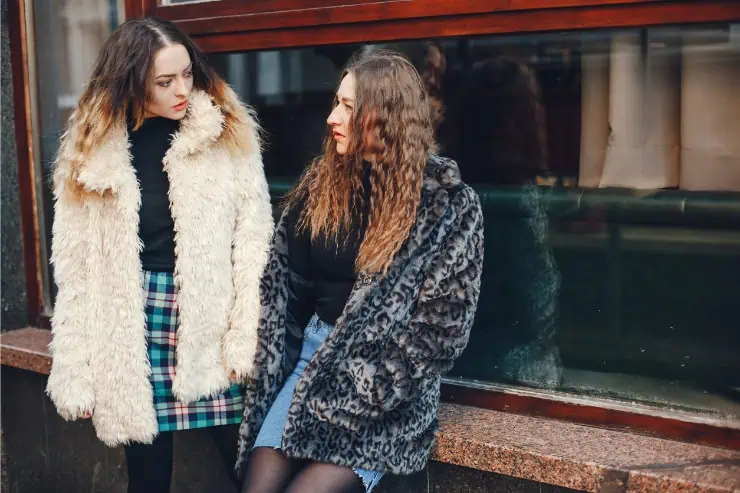
The return of tartan also reflects a cultural shift in fashion. As trend cycles slow and consumers prioritize longevity, prints with history and depth feel more appealing. Tartan carries a sense of permanence it doesn’t feel disposable. In 2026, fashion favors pieces that look considered rather than flashy, and tartan fits naturally into that mindset. It adds interest without relying on novelty. This makes it especially appealing to women who want their wardrobes to feel grounded, timeless, and expressive without being loud.
5. Tartan Became Seasonless
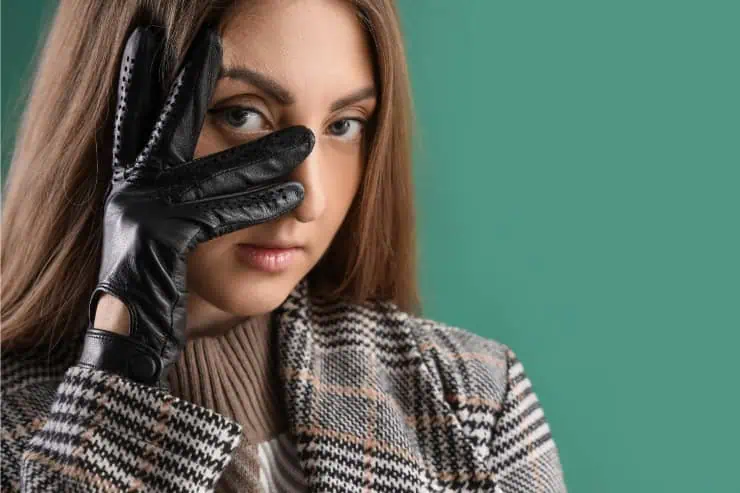
Perhaps most surprisingly, tartan in 2026 is no longer confined to fall or winter. Lighter fabrics, relaxed styling, and softer palettes have made it viable year-round. Tartan skirts paired with simple tees, lightweight jackets worn open, and trousers styled with flats or sneakers all feel current. This seasonless adaptability has cemented tartan’s place as a staple rather than a moment. When a print works across climates and occasions, it stops feeling like a trend and starts feeling essential.