Wavy hair sits between straight and curly, which is exactly why it can feel unpredictable. Some days it looks smooth, other days frizzy or flat, leaving many people unsure how to style it consistently. The issue usually isn’t the hair it’s the approach. Waves need different handling than both straight and curly textures, especially in washing, drying, and product balance. Professional hairstylists emphasize that wavy hair thrives when its natural pattern is supported rather than forced. With a few targeted adjustments, waves become more defined, controlled, and naturally voluminous. These stylist-backed techniques transform waves from frustrating to effortlessly polished.
Table of Contents
1. Stop Over Brushing and Preserve the Wave Pattern
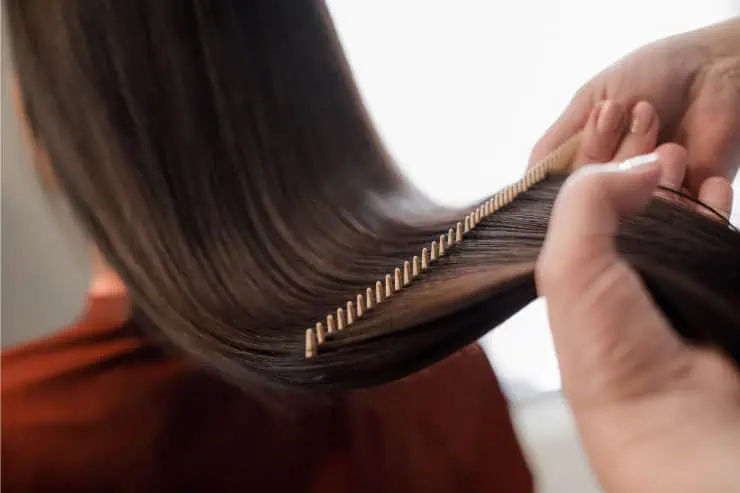
One of the biggest mistakes with wavy hair is treating it like straight hair and brushing it dry. Brushing breaks apart the natural wave clumps, creating frizz and a fluffy, undefined shape. Stylists recommend detangling only when hair is wet and conditioned, using fingers or a wide tooth comb. This preserves the wave formation created by water and product distribution. Once dry, waves should be handled minimally to maintain structure. Preserving clumps allows waves to dry into cohesive S-shapes rather than separating into frizz. Many clients see instant improvement simply by changing when and how they brush, allowing their natural pattern to remain intact.
2. Apply Styling Products on Soaking Wet Hair

Wavy hair responds best when styling products are applied before moisture evaporates. On damp or partially dry hair, products distribute unevenly and can’t fully support wave formation. Stylists recommend applying leave-ins, creams, or gels on soaking wet hair, then gently squeezing excess water out with hands or a microfiber towel. This locks hydration and product evenly into each wave section. The technique encourages consistent definition and reduces halo frizz. Because water helps products spread, less is needed overall, preventing heaviness. Proper wet application is one of the simplest yet most transformative steps for achieving smooth, defined waves.
3. Use the “Scrunch and Release” Technique
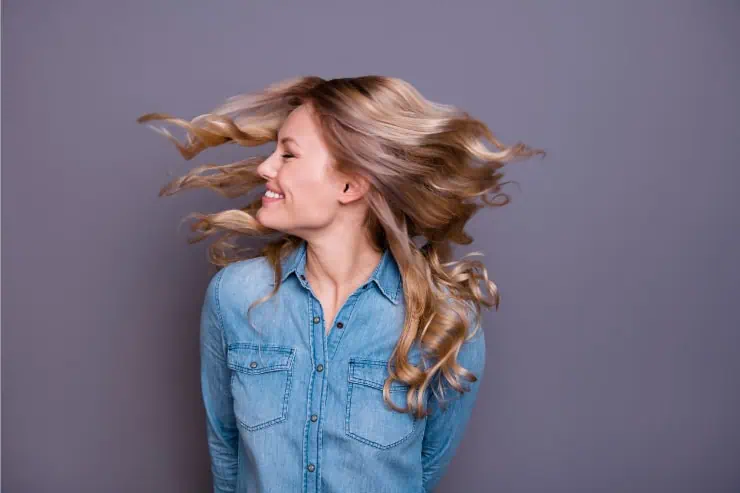
Scrunching is essential for encouraging wave formation, but many people overdo it. Stylists advise a controlled “scrunch and release” motion: gently lifting sections upward toward the scalp, then letting them fall naturally. This supports the wave curve without compressing it. Excessive scrunching or squeezing can create stiffness or uneven bends. The goal is to activate the pattern already present, not force new shape. When combined with product and wet application, this technique helps waves set in soft, consistent S-forms. The result is natural volume and definition that looks effortless rather than manipulated or crunchy.
4. Diffuse Gently or Air Dry Without Disturbance

Drying method dramatically affects wave quality. Rough towel drying or frequent touching disrupts forming waves and creates frizz. Stylists recommend either air-drying without disturbance or diffusing on low heat and low airflow. When diffusing, the hair should be placed into the diffuser bowl and held still rather than blasted with air. This allows waves to set in place. Movement during drying breaks the pattern and separates clumps. Many professionals also suggest pausing at 80–90% dry and letting hair finish naturally to reduce frizz. Gentle drying preserves wave integrity and maintains softness.
5. Choose Lightweight, Flexible Products
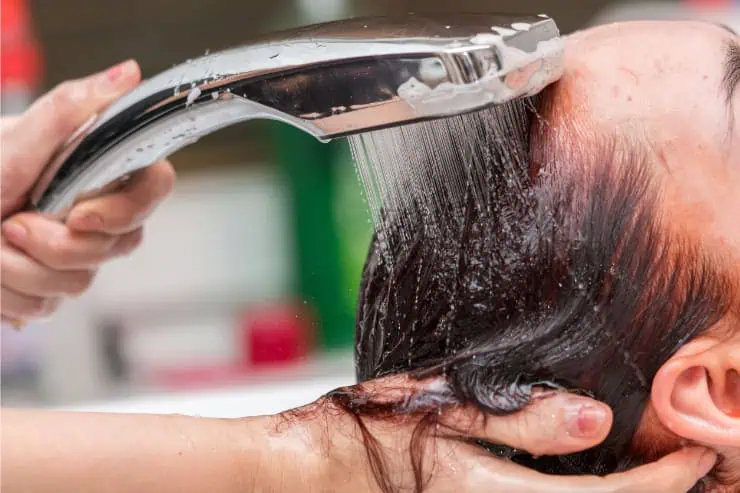
Wavy hair is easily weighed down, especially by heavy creams or oils designed for curls. Stylists prefer lightweight mousses, gels, or wave creams that provide flexible hold without stiffness. These formulas support the wave shape while allowing movement and bounce. Too much richness flattens roots and loosens wave structure, making hair look limp. Conversely, too little hold allows frizz to expand. The balance is light support with moisture. Proper product choice keeps waves defined yet airy, which is the hallmark of well-styled wavy hair. Many clients notice better volume and longevity simply by switching to lighter formulas.
6. Don’t Touch Until Fully Dry

Touching wavy hair while drying is a major cause of frizz. Each time waves are handled before they set, the forming pattern breaks and separates. Stylists emphasize leaving hair completely undisturbed until fully dry. Once dry, any stiffness from styling products can be softened by gently scrunching often called “scrunching out the cast.” This restores softness without disrupting definition. Patience during drying preserves clumps and reduces surface frizz dramatically. Many people who think their hair is unmanageable discover it looks smooth and defined simply by resisting the urge to touch it prematurely.