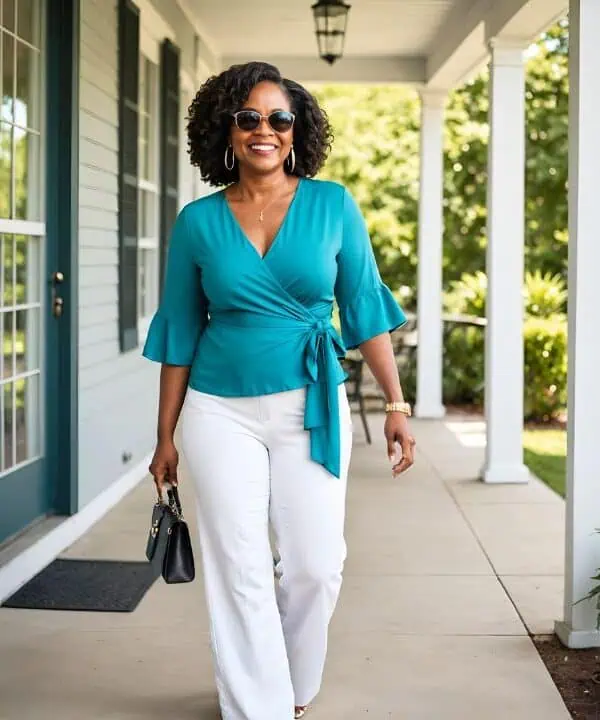
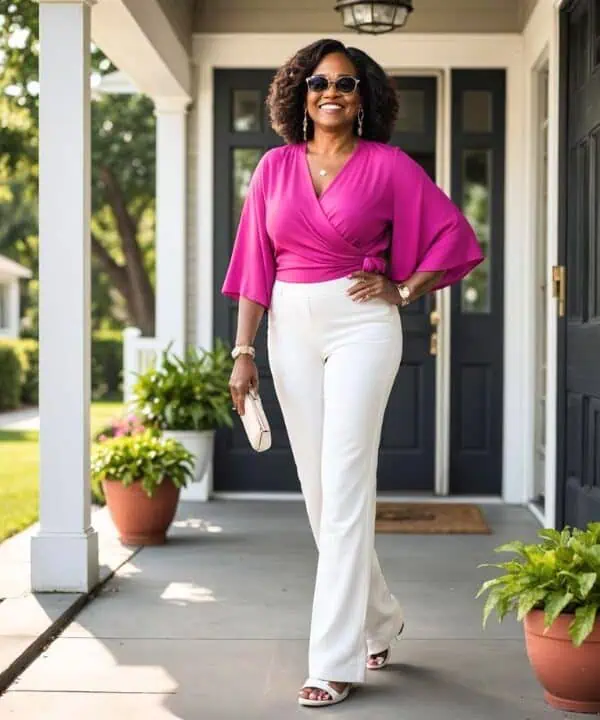
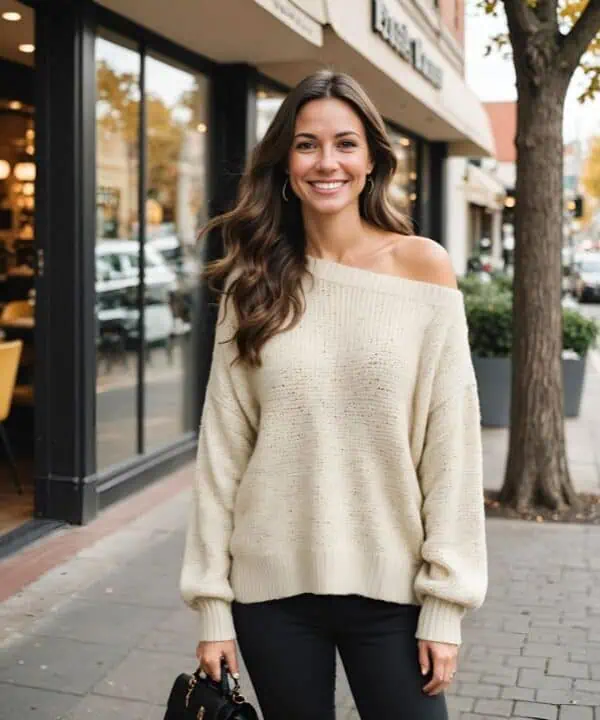
Style advice for women over 60 has long been shaped by outdated ideas about age, modesty, and visibility. For decades, fashion messaging suggested that maturity required restraint: darker colors, longer hemlines, minimal trends. But style has evolved. Today, women are redefining elegance on their own terms, choosing clothing that reflects personality and lifestyle rather than age expectations. Letting go of rigid rules opens the door to wardrobes that feel fresher, lighter, and more authentic.
Table of Contents
1. You Must Dress “Age Appropriately”
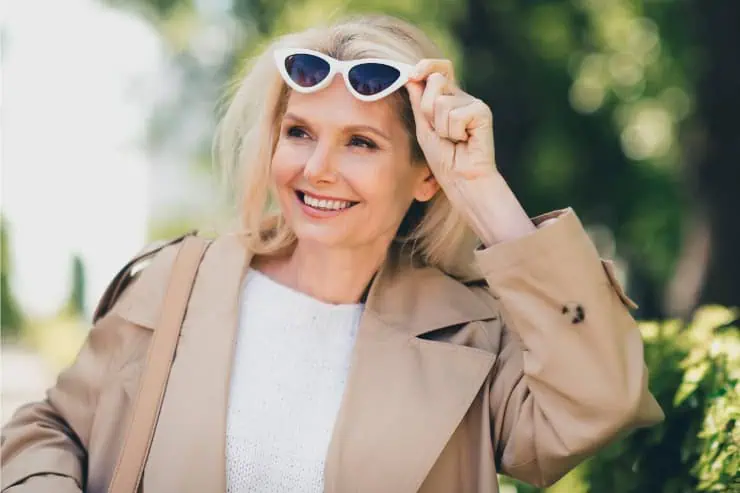
The idea of age appropriate dressing often translates into avoiding anything playful, fitted, or expressive. In reality, style coherence matters far more than age alignment. Clothes look right when proportions, fabric weight, and styling balance suit the wearer not when they match a number. Many women over 60 find that mixing relaxed classics with one modern element feels natural and current. A streamlined jean with a structured blazer, or a soft midi dress with contemporary shoes, reads polished without trying to appear younger. Age-based restrictions tend to shrink wardrobe options unnecessarily. When women dress for their actual lives activities, climate, comfort preferences the result feels believable and elegant.
2. Neutrals Are Safer Than Color
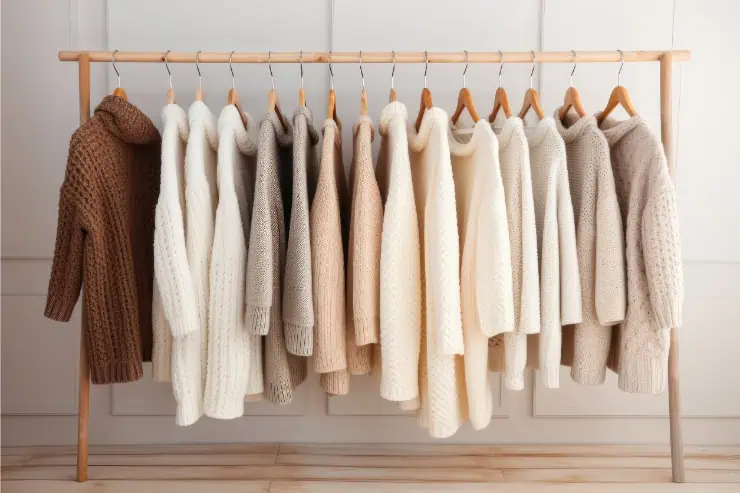
Women were often advised to rely on navy, beige, or black as they aged, under the assumption that color draws unwanted attention. Yet color can enhance complexion, energy, and presence. The key is tone rather than brightness level. Clear mid-tones, softened jewel shades, or warm pastels often lift mature skin beautifully. Even small color placements scarves, knitwear, or footwear can refresh an otherwise neutral wardrobe. Avoiding color entirely can flatten outfits and reduce visual vitality. Many stylish women over 60 discover that selective color actually looks more refined than head-to-toe neutrals. It communicates intention rather than caution.
3. Loose Clothing Is More Flattering
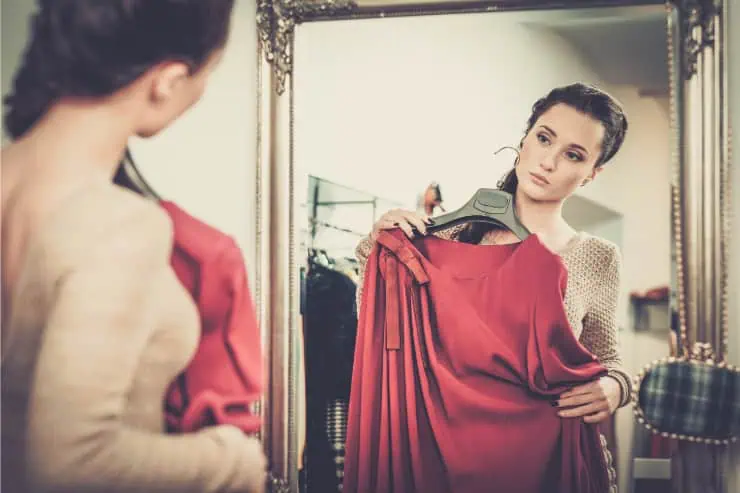
A long standing belief suggests that hiding the body creates elegance. In practice, excessive looseness often obscures shape and proportion, making outfits appear heavier or less deliberate. Flattering clothing after 60 usually follows the body lightly rather than clinging or drowning it. Soft structure gentle tailoring, defined shoulders, or subtle waist shaping creates visual clarity. Even relaxed garments benefit from proportion control, such as balancing volume with slimmer elements elsewhere. Women frequently feel more confident when clothing acknowledges their shape rather than disguising it. The goal is ease with definition, not concealment.
4. Trends Are Only for the Young
Many women internalized the message that trends should be avoided after midlife. But trends are simply shifts in proportion, color, or detail tools that can refresh familiar wardrobes. Incorporating them selectively keeps outfits current without sacrificing personal style. For example, updating trouser width, sleeve shape, or shoe profile can modernize existing pieces instantly. The most stylish mature dressers rarely follow trends head-to-toe; instead, they adopt elements that align with their aesthetic. Avoiding all trends can unintentionally freeze a wardrobe in a past decade. Engaging with fashion evolution at one’s own pace maintains visual relevance. Style longevity comes from adaptation, not avoidance.
5. Hemlines Should Always Be Longer
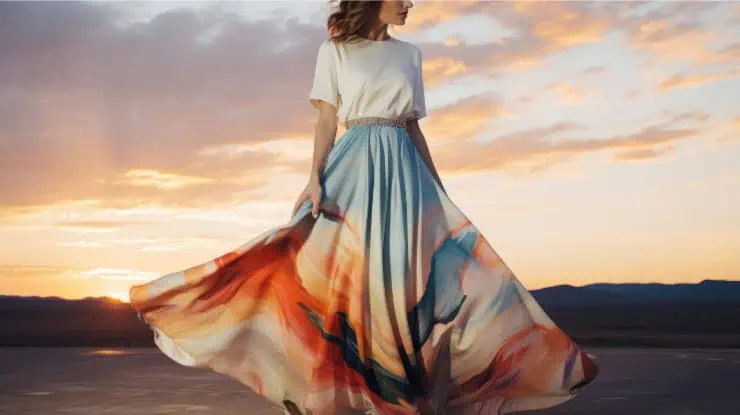
Advice often insisted that skirts must lengthen with age. While many women enjoy midi or longer lengths, hemlines are more about proportion and leg line than years lived. Knee length or just below knee skirts can look exceptionally elegant when paired with the right footwear and silhouette balance. Shorter hemlines can actually create lift and lightness, especially for petite or active women. Conversely, overly long skirts may feel heavy or restrictive. The most flattering length depends on calf shape, height, and overall outfit structure not age.