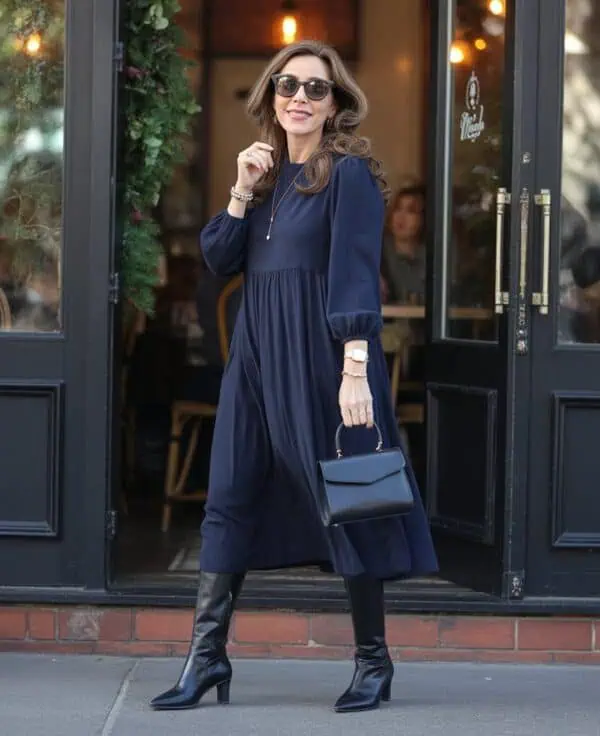
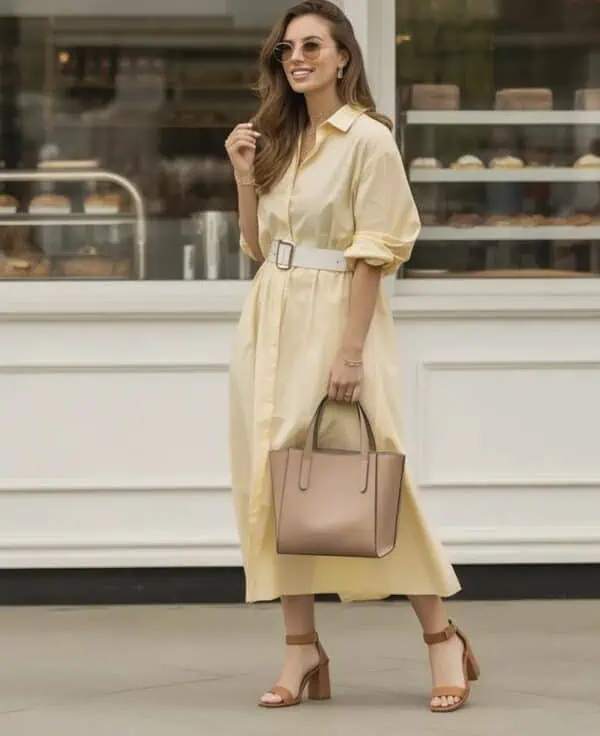
Layered necklaces have become one of the easiest ways to make an outfit feel styled rather than simply worn. Yet many people find that when they try the trend themselves, the result looks tangled, cluttered, or inexpensive instead of polished. The difference lies in proportion, spacing, and intentional contrast. Luxury jewelry styling rarely depends on price alone it relies on balance, metal harmony, and how pieces interact with clothing necklines and skin. When layers are thoughtfully arranged, even simple chains can appear elevated and deliberate. The key is understanding how scale, length, and texture work together visually. Once you learn these principles, layering necklaces stops feeling random and starts looking effortlessly refined.
Table of Contents
1. Vary Lengths to Create Visible Separation

The most important rule in necklace layering is clear spacing between each piece. When chains sit too close together, they visually merge into one dense cluster, which can look messy and inexpensive. By choosing lengths that step down gradually such as collarbone, upper chest, and mid chest you create clean vertical flow. Each necklace becomes visible and intentional rather than competing for attention. This separation also prevents tangling and allows pendants to sit properly instead of stacking awkwardly. The result resembles curated jewelry styling often seen in editorial fashion: airy, balanced, and deliberate. Even simple chains appear more valuable when each layer has breathing room around it.
2. Mix Chain Weights, Not Just Lengths
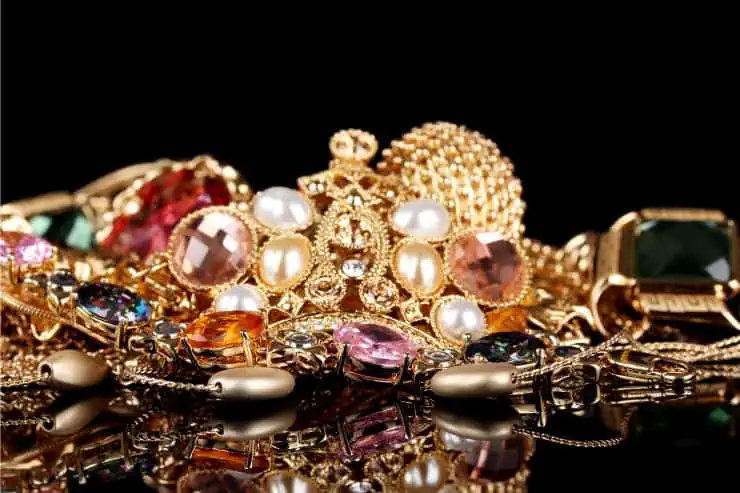
Many people focus only on length differences, but variation in thickness is what creates dimension. If every chain has the same delicate weight, layering looks flat and indistinct. Combining a fine chain with a slightly heavier link or subtle texture introduces contrast that catches light differently across layers. This interplay mimics how high-end jewelry collections combine multiple chain styles in one look. The contrast should remain subtle rather than dramatic think fine cable chain with a slim herringbone or small oval link. The eye reads this variation as intentional styling, which instantly elevates the perceived quality of the jewelry. Depth, not excess, is what makes layers look expensive.
3. Anchor the Stack With One Focal Piece
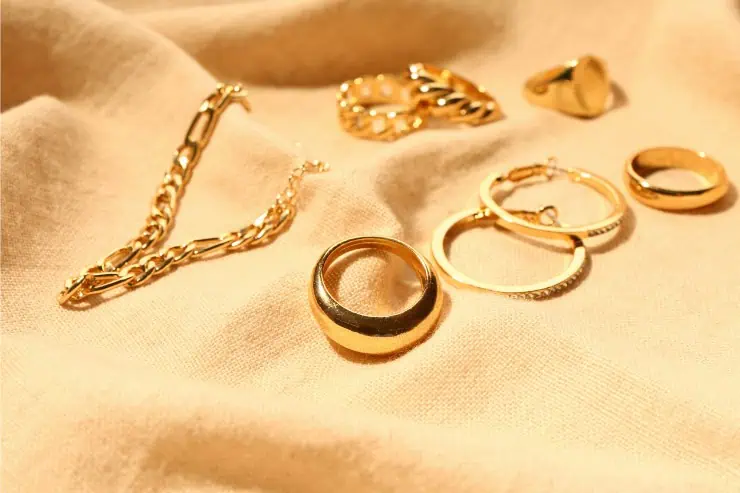
Polished necklace layering almost always includes a visual anchor a pendant, charm, or distinctive chain that grounds the arrangement. Without a focal point, multiple chains can feel scattered or accidental. The anchor piece gives the eye somewhere to rest, making the entire stack appear cohesive. Typically, this focal necklace sits at the lowest or middle length, with simpler chains framing it above or below. This hierarchy mirrors professional styling, where one statement element leads and others support. Even an affordable pendant looks elevated when surrounded by minimal layers that emphasize rather than compete with it. The stack becomes a composed look rather than a collection of random pieces.
4. Match Metal Tones to Your Skin and Outfit
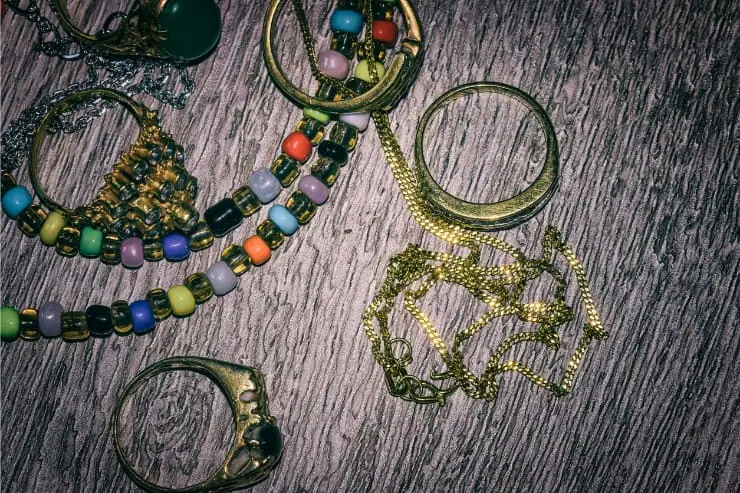
Mixed metals can be chic, but random combinations often reduce visual harmony. Expensive looking layering usually stays within a cohesive metal family warm golds, cool silvers, or softly aged finishes. Choosing tones that complement your skin undertone enhances this effect. Warm undertones glow with yellow or champagne gold, while cool undertones harmonize with silver or white gold. Clothing also matters: creamy fabrics enhance gold warmth, while crisp whites and cool tones amplify silver. When metals echo both skin and outfit, the jewelry feels integrated rather than added on. This subtle coordination is one of the strongest signals of intentional, refined styling.
5. Consider Neckline and Negative Space
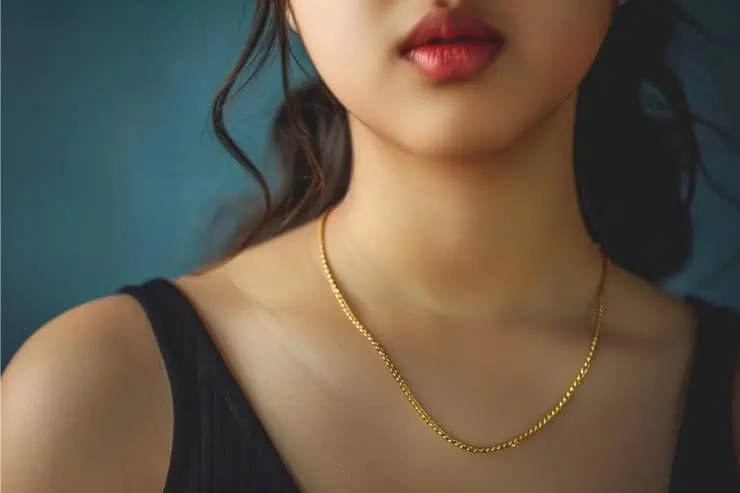
Necklace layering looks most luxurious when it interacts thoughtfully with clothing rather than sitting independently of it. Open necklines such as V-necks, scoops, or unbuttoned collars provide space for layers to fall naturally. When necklaces crowd a high neckline, they compress visually and lose elegance. The goal is negative space the visible skin between chains and fabric that allows each layer to stand out. Stylists often adjust necklace lengths depending on the outfit so the lowest piece aligns with the neckline opening. This alignment makes jewelry appear tailored to the clothing, a detail strongly associated with high-end styling. Placement, not just the jewelry itself, creates sophistication.