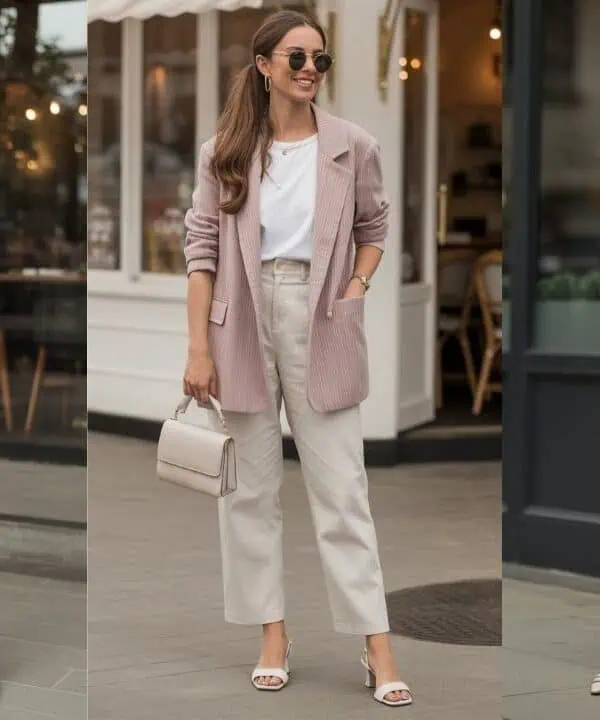
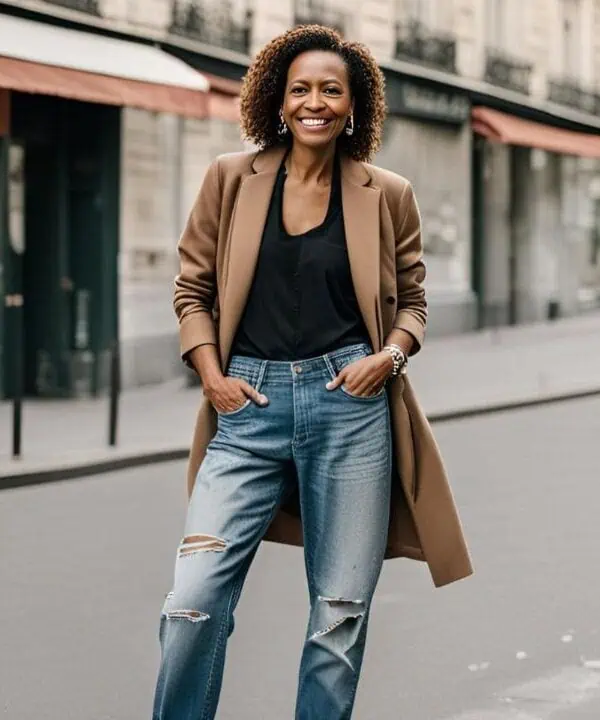
Matching sets once symbolized polish, coordination, and effort. For many women over 60, they still feel like the safest route to looking “put together.” But in modern styling, perfectly matched outfits often do the opposite they signal rigidity rather than ease. Stylists aren’t against coordination; they’re against predictability. When color, fabric, and silhouette align too neatly, the outfit loses dimension and personality. Contemporary style values contrast, texture, and subtle imbalance. Matchy-matchy sets often freeze a look in time, reinforcing outdated ideas of dressing “correctly” instead of stylishly. This is why stylists consistently encourage clients to break the set and embrace a more relaxed, intentional approach.
Table of Contents
1. Matchy Matchy Sets Remove Visual Depth

Stylists often describe matching sets as visually “flat.” When the top and bottom share the same color, fabric, and tone, the eye has nowhere to rest. There’s no contrast, no layering of interest, and no sense of movement. For women over 60, this flatness can unintentionally emphasize stiffness rather than confidence. Style thrives on depth mixing textures, weights, and tones adds richness without effort. When everything matches perfectly, the outfit feels static and overly controlled. Stylists prefer outfits that unfold visually, offering variation and softness. Depth doesn’t come from complexity it comes from thoughtful contrast.
2. Perfect Coordination Signals Outdated Style Rules

Many women were taught that matching equals elegance. Stylists note that this rule peaked decades ago, when polish meant uniformity. Today, that same approach often reads as dated. Matchy-matchy sets can unintentionally signal that a woman is dressing by old standards rather than current sensibilities. Modern style celebrates individuality, not adherence to strict formulas. Wearing perfectly coordinated sets suggests caution rather than confidence. Stylists encourage clients to update their visual language by loosening these rules. Breaking a set communicates awareness, ease, and relevance qualities that elevate style at any age.
3. Sets Can Feel Overly Formal for Everyday Life

Matching sets often carry a formal tone, even when made from casual fabrics. Stylists observe that many clients wear coordinated outfits in situations that call for relaxed ease lunches, errands, casual gatherings. The result feels mismatched to the moment. Over-formality can age a look just as much as poor fit. When everything matches, the outfit can feel “done” in a way that lacks spontaneity. Stylists recommend separating pieces to soften the look. Casual elegance comes from balance, not perfection. Breaking up a set allows outfits to feel lived-in rather than staged.
4. Matchy Matchy Emphasizes Structure Over Softness
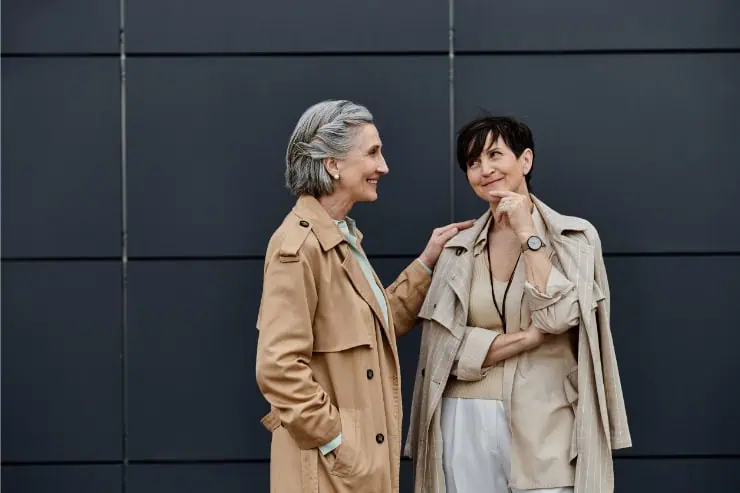
As bodies change, stylists prioritize movement, drape, and softness. Matching sets often reinforce structure too strongly especially when tailored or stiff. When top and bottom mirror each other exactly, the silhouette can feel rigid. This rigidity contrasts with the natural ease that flatters mature style. Stylists aim to create outfits that move with the body rather than frame it harshly. Mixing pieces introduces softness and flow. When structure is balanced with fluidity, the result feels modern and flattering. Matchy-matchy sets often miss this balance entirely.
5. Sets Limit Styling Creativity and Versatility

From a stylist’s perspective, matching sets are limiting. Clients tend to wear them only one way, in one combination, for one purpose. This reduces wardrobe flexibility and creativity. Separates, on the other hand, invite experimentation. A jacket from a set can elevate jeans. Pants can pair beautifully with knits or silk tops. Stylists encourage clients over 60 to invest in pieces that work harder. Breaking up sets multiplies outfit options and keeps wardrobes feeling fresh. Style longevity depends on adaptability not repetition.