As a stylist, one of the most revealing moments happens not in the fitting room, but in the closet. When I work with older clients, there’s a clear pattern: beautifully made, sensible, often expensive items that were purchased with optimism and then quietly ignored. These pieces aren’t mistakes because they’re ugly or low quality. They’re mistakes because they don’t align with real life, real proportions, or real habits. Many were bought for a version of life that doesn’t actually exist: a more formal calendar, a different body comfort level, or an aspirational style identity.
Table of Contents
1. The “Just in Case” Structured Blazer
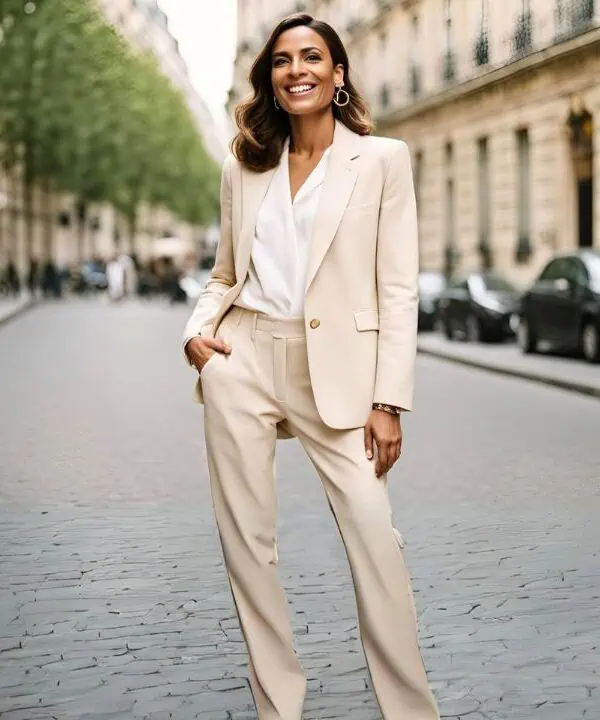
This is the blazer bought for hypothetical meetings, dinners, or events that rarely happen. It’s often beautifully tailored, slightly stiff, and more formal than the client’s actual lifestyle requires. While the idea of owning a sharp blazer feels smart, the reality is that many older clients gravitate toward softer, more forgiving layers day to day. The blazer ends up feeling restrictive, overly formal, or mismatched with casual outfits. Without regular occasions that demand structure, it stays on the hanger.
2. Dressy Heels with a Sensible Height

Low heels are often purchased as a compromise: not too high, not too flat, theoretically wearable. In practice, they still feel impractical. Many older clients find that even a modest heel changes posture, balance, and comfort in ways that don’t feel worth it. These shoes are often reserved for “special occasions,” which means they rarely see daylight. Flats and low-profile shoes dominate daily life, making dressy heels no matter how reasonable an aspirational purchase rather than a functional one.
3. The Occasion Dress with No Occasion
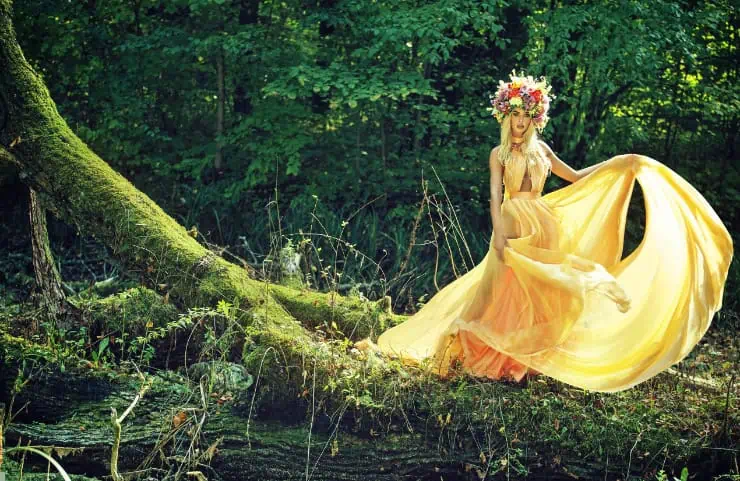
This is the elegant dress bought for weddings, galas, or formal dinners that never materialize. Older clients often choose classic silhouettes and safe colors, assuming versatility but without a clear event on the calendar, the dress feels too special to wear casually and too understated for true formalwear. It sits untouched, waiting for the right moment. The problem isn’t the dress; it’s the lack of a defined role. Clothes without a clear purpose rarely get worn.
4. Trend Forward Statement Pieces
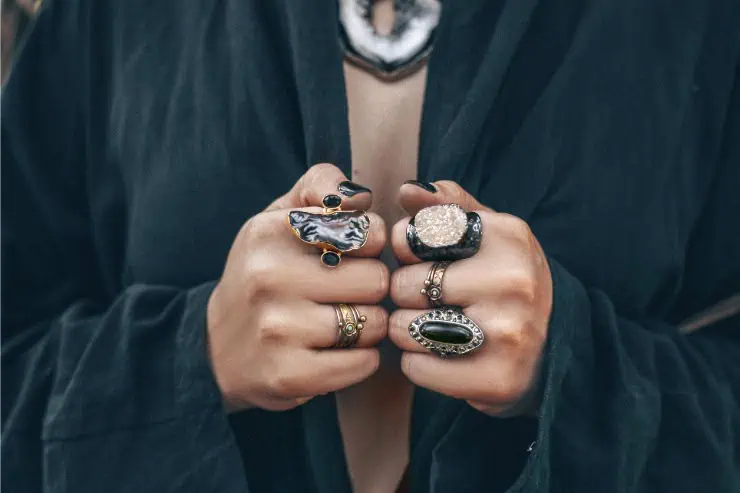
Every so often, a bold, trend-driven item sneaks into an otherwise classic wardrobe a dramatic sleeve, unusual print, or exaggerated silhouette. These pieces are exciting in the store but intimidating at home. Older clients often struggle to style them confidently or integrate them with existing clothes. The result is hesitation, followed by avoidance. Without a supporting wardrobe or styling confidence, statement pieces feel like costumes rather than tools, and they’re quickly sidelined.
5. Crisp White Button Down Shirts
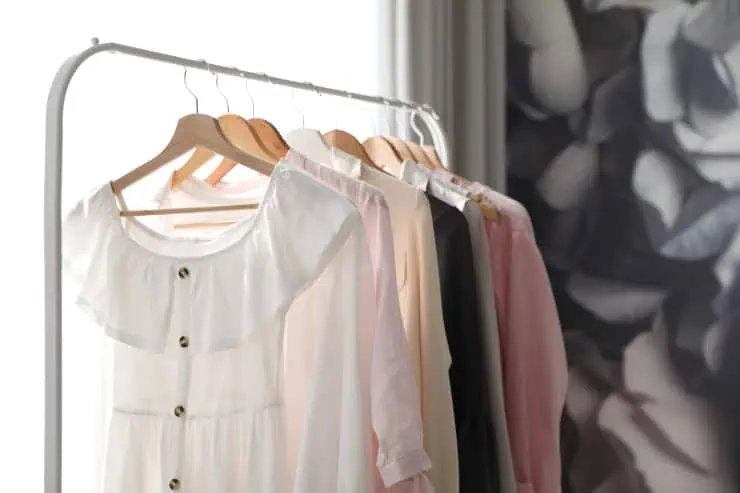
White button-downs are sold as wardrobe essentials, but many older clients find them impractical. They wrinkle easily, show stains immediately, and often feel too stiff or revealing through the chest. While the idea of a polished white shirt is appealing, the maintenance and discomfort lead clients to reach for softer knits instead. Over time, the shirt becomes symbolic of an idealized version of polish that doesn’t match daily reality.
6. Luxury Handbags That Are Too Precious
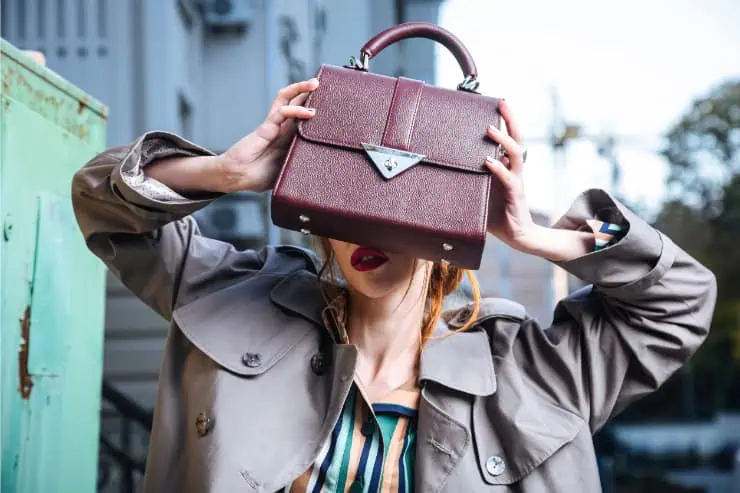
High-end handbags are frequently purchased as investment pieces, but some end up being too precious to use. Clients worry about scratching, staining, or wearing them incorrectly. As a result, these bags are saved for “good occasions” and rarely leave their dust bags. A bag that causes anxiety rather than ease fails its purpose, no matter how beautiful it is. Practical, less delicate bags end up being used instead.
7. Slim Cut Trousers That Feel Restrictive
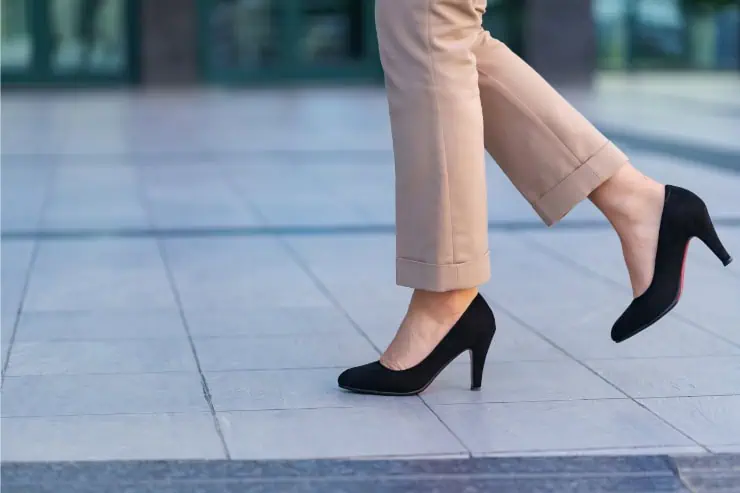
Slim trousers are often chosen for their promise of polish, but many older clients find them uncomfortable over long days. Sitting, walking, and moving feel constrained, especially compared to modern relaxed silhouettes. While the trousers look good standing still, they don’t align with how clients actually live. Over time, comfort wins, and the trousers are quietly retired.
8. Delicate Knitwear That Requires Babying
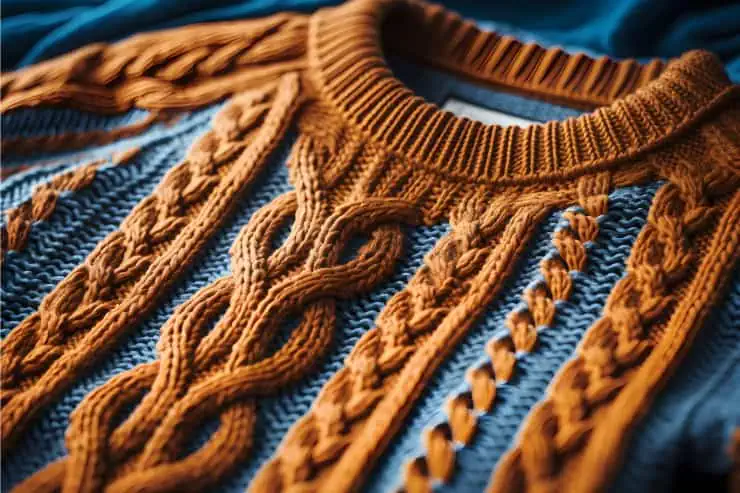
Lightweight cashmere or delicate knits are frequently bought with the idea of luxury, but their fragility becomes a deterrent. Clients worry about snags, stretching, or improper care. When an item requires constant vigilance, it creates stress rather than pleasure. Heavier, more forgiving knits are worn instead, leaving delicate pieces untouched.
9. The “Goal Outfit” Bought for Motivation
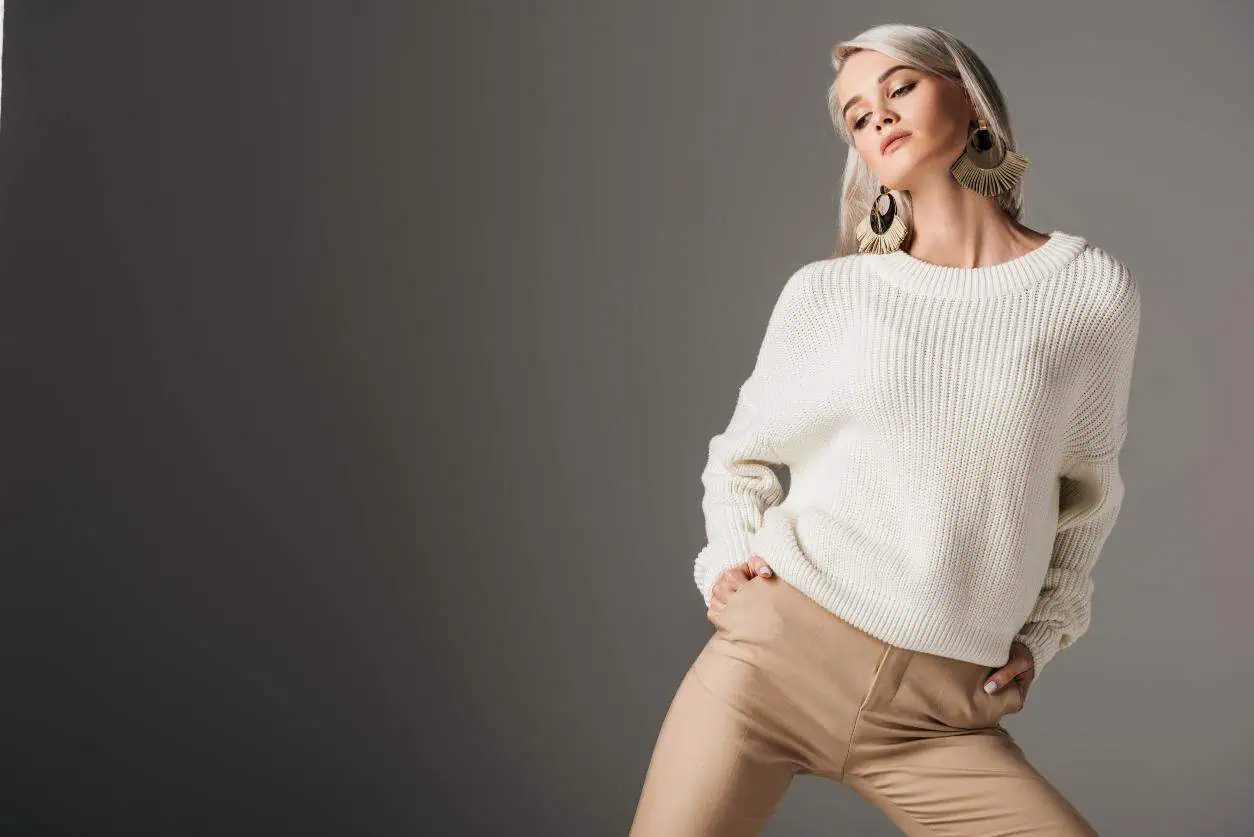
Perhaps the most emotionally loaded item is the outfit bought as motivation a size-down piece, a more daring silhouette, or something meant for a future version of the client. These items are rarely worn because they’re tied to pressure rather than reality. Instead of inspiring change, they become reminders of unmet expectations. Clothes meant for a hypothetical future often stay in the closet indefinitely.