When my longtime client invited her Gen Z daughter to sit in on a closet edit, she expected minor suggestions. What she got instead was honest, unfiltered feedback about which habits were quietly aging her wardrobe. Interestingly, none of the comments were about her age or body they were about patterns. Gen Z has an uncanny ability to spot when outfits are built from habit instead of intention. As a stylist, I agreed with more than I expected. These eight fashion habits weren’t “wrong,” but they were sending signals my client didn’t intend. With a few shifts, her style instantly felt fresher, more modern, and more confident.
Table of Contents
1. Wearing the Same Silhouette Over and Over

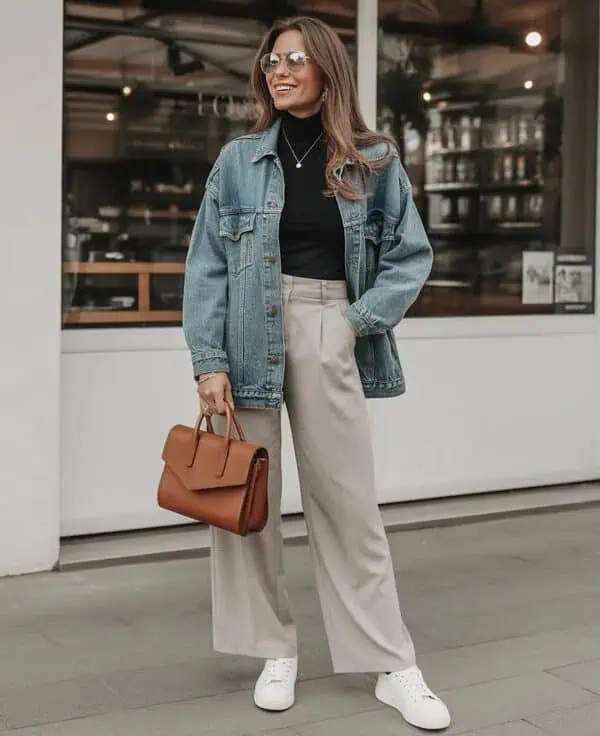
The first thing her daughter noticed wasn’t color or trends it was repetition. Same pant shape, same top length, same jacket cut. While consistency can be comforting, visual monotony makes outfits feel dated. Gen Z is used to silhouette variety: wide pants with slim tops, cropped layers over long bases, structured coats over relaxed knits. My client wasn’t dressing badly she just wasn’t evolving. We didn’t replace her wardrobe; we diversified proportions. One new pant shape and a longer outer layer completely refreshed her look. Habit, not age, was the issue.
2. Defaulting to “Safe” Neutral Colors
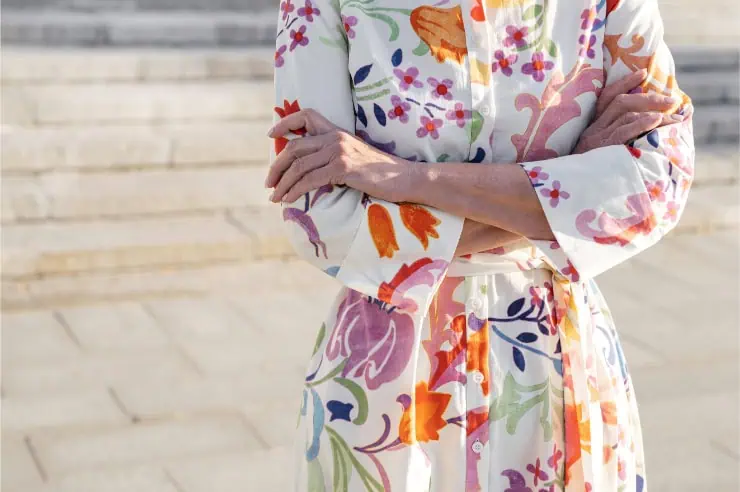
Beige, taupe, gray, and black dominated her closet. Her daughter pointed out that none of the colors lit her up. Gen Z understands contrast intuitively they know color creates presence. Safe neutrals often drain warmth from mature skin, especially in winter light. We didn’t add brights everywhere just richer neutrals like camel, olive, navy, and soft white near the face. The difference was immediate. Her outfits looked intentional instead of cautious. Gen Z doesn’t fear color they fear invisibility.
3. Overmatching Accessories
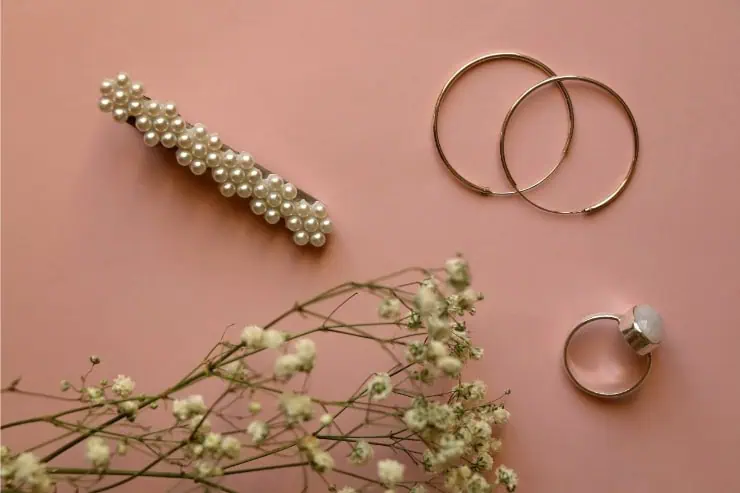
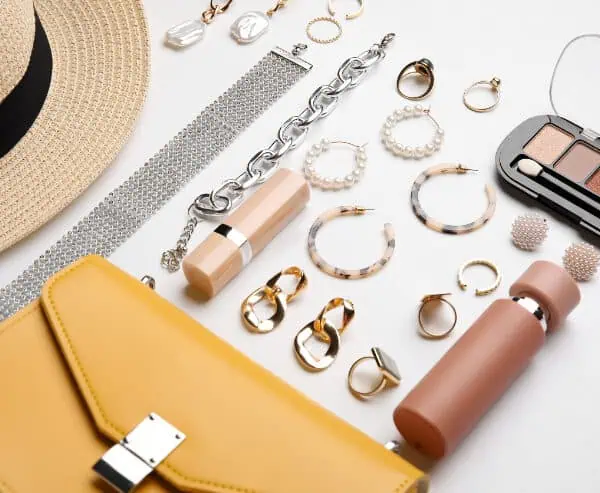
Matching bag to shoes to belt used to signal polish. To Gen Z, it signals rigidity. My client hadn’t realized how predictable her styling had become. Her daughter suggested mixing textures instead leather with suede, gold jewelry with silver accents. The outfit instantly felt relaxed and modern. Perfect coordination can look like trying too hard, while thoughtful contrast reads confident. Style today is about harmony, not uniformity.
4. Relying on Statement Scarves to “Finish” Every Outfit
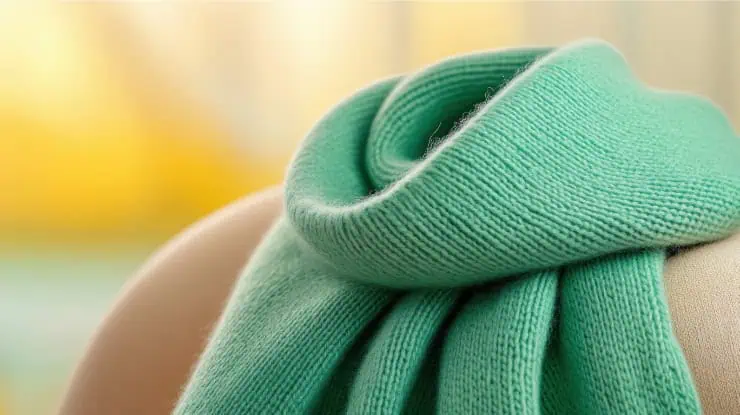
Scarves were my client’s signature but also her crutch. Her daughter pointed out that every outfit ended the same way. Thick prints wrapped high on the neck added bulk and dated the look. We experimented by removing the scarf entirely and refining the outfit underneath better necklines, cleaner layers, subtle jewelry. When scarves were reintroduced, they were lightweight, draped loosely, or worn as texture rather than focal point. The outfits finally breathed.
5. Wearing Comfort Shoes That Look Medical
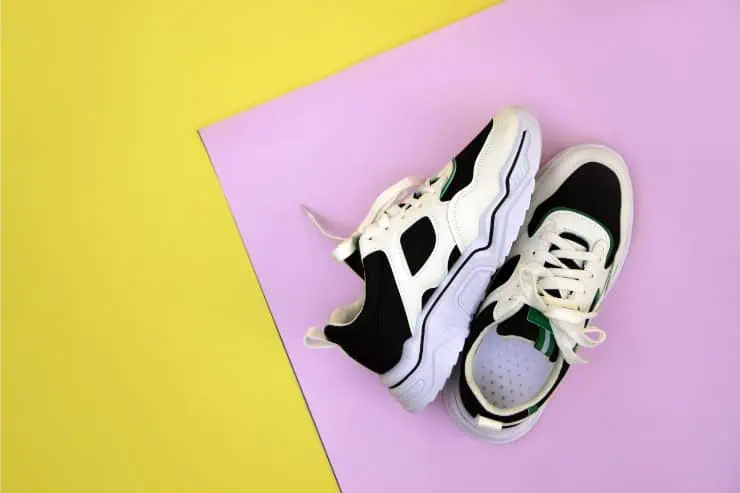
Comfort mattered to my client but her footwear was working against her. Velcro straps, bulky soles, and beige tones immediately pulled outfits backward in time. Gen Z understands that comfort doesn’t have to look orthopedic. We swapped her shoes for sleek sneakers, refined loafers, and modern ankle boots with support built in. Same comfort level completely different visual message. Shoes anchor an outfit more than most people realize.
6. Dressing “Dressy” for Casual Life

Her daughter gently asked, “Why do you dress like you’re always going somewhere formal?” Blouses, stiff trousers, structured handbags every day. Gen Z dresses polished and relaxed. We softened her wardrobe with elevated knits, modern denim, casual tailoring, and hands-free bags. She didn’t lose elegance she gained relevance. Dressing for real life always looks more modern than dressing for an imagined occasion.
7. Wearing Outfits That Hide Instead of Highlight
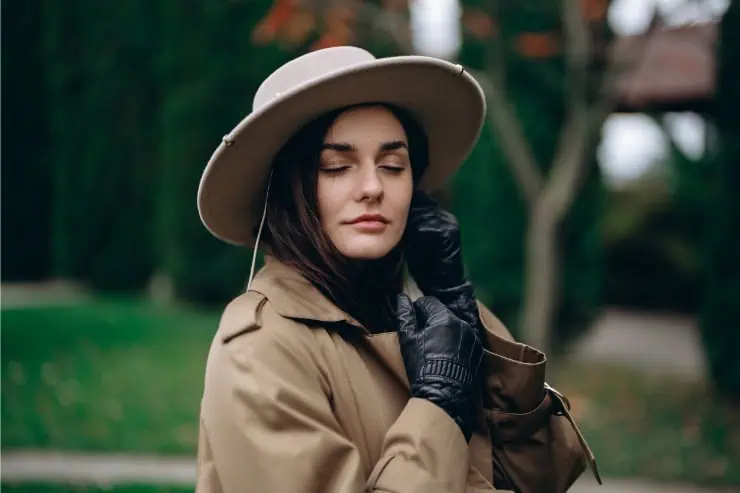
Many of her choices were about coverage rather than expression. Long tops, loose layers, heavy fabrics all meant to “hide.” Her daughter noticed immediately. Modern style celebrates showing shape, not skin. We adjusted proportions slimmer bases, lighter layers, clearer waist definition. Nothing revealing. Just intentional. Confidence replaced concealment.
8. Following Old Fashion Rules Instead of Her Instinct

“No white after Labor Day.” “Don’t mix metals.” “Don’t wear sneakers with trousers.” These rules shaped her wardrobe but limited it. Gen Z dresses by instinct, not restriction. Once my client let go of outdated rules and trusted her eye, her outfits came alive. Style felt fun again. Modern fashion rewards confidence, not compliance.