Boyfriend jeans promise effortless cool, but in reality they’re one of the easiest styles to get wrong. Too loose and they look shapeless, too fitted and they lose their relaxed charm. Over the past decade, I’ve tested countless fits, lengths, and outfit combinations to understand what truly makes them work. The secret isn’t trend tricks it’s proportion, contrast, and intentional structure. When styled thoughtfully, boyfriend jeans create that coveted balance: relaxed yet polished, casual yet composed. These are the exact styling principles I rely on now to keep boyfriend denim flattering, modern, and effortlessly put together every time.
Table of Contents
1. Balance Volume With a Defined Top
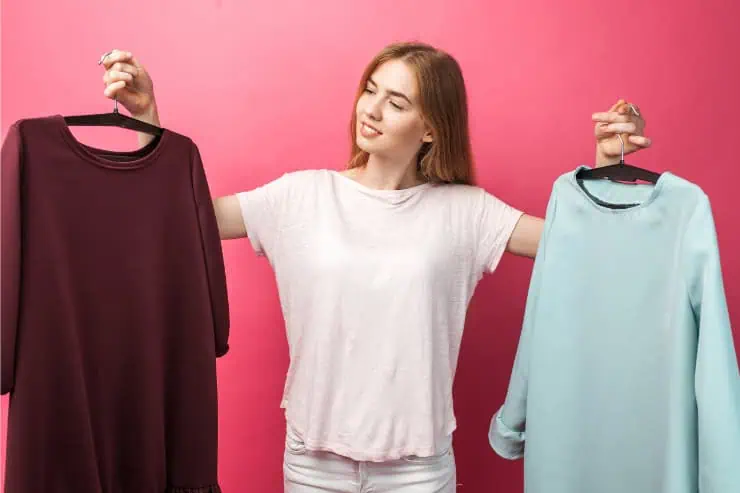
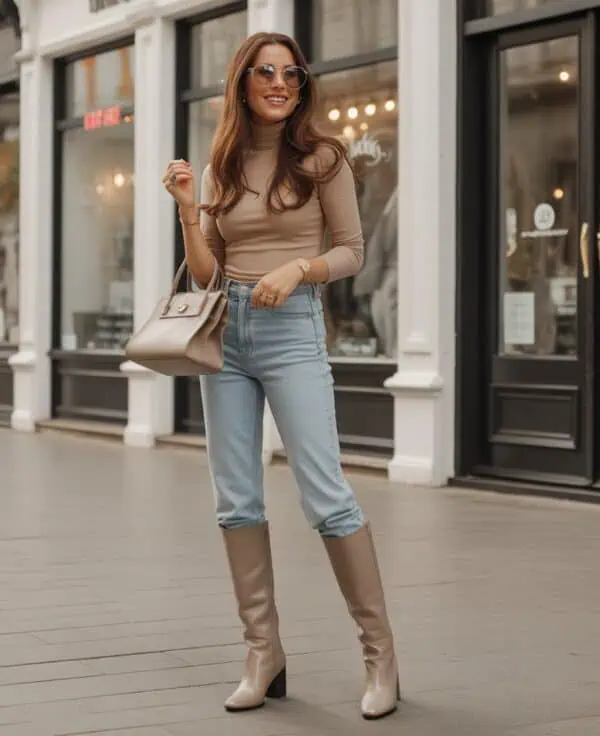
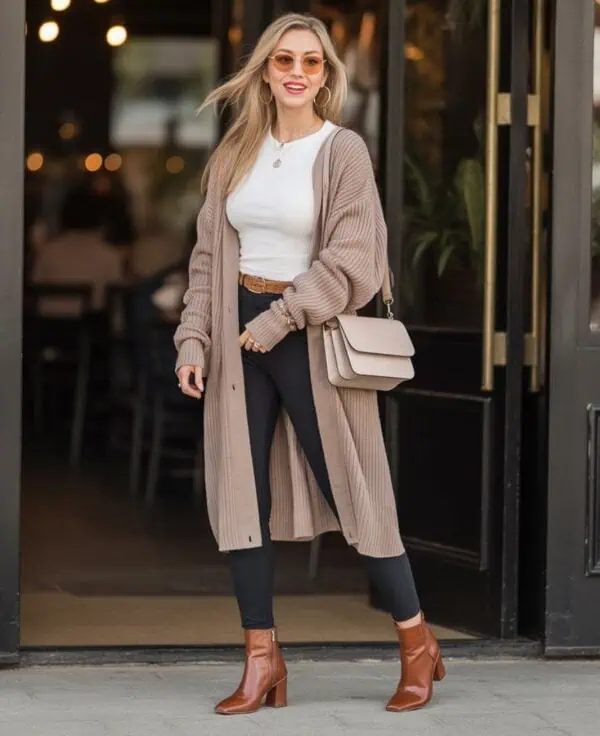
Boyfriend jeans naturally add width through the hips and thighs, so the upper half benefits from structure or definition. I pair them with fitted knits, tucked tees, or cropped jackets that reintroduce shape at the waist or shoulders. This contrast prevents the outfit from looking boxy or oversized. When both top and bottom are loose, proportions blur and the silhouette loses clarity. A defined top anchors the relaxed denim, making the look intentional rather than sloppy. The balance also keeps legs from appearing shorter, which can happen when volume dominates. Structure above offsets looseness below, creating a clean, flattering line.
2. Keep the Hem Cropped or Rolled
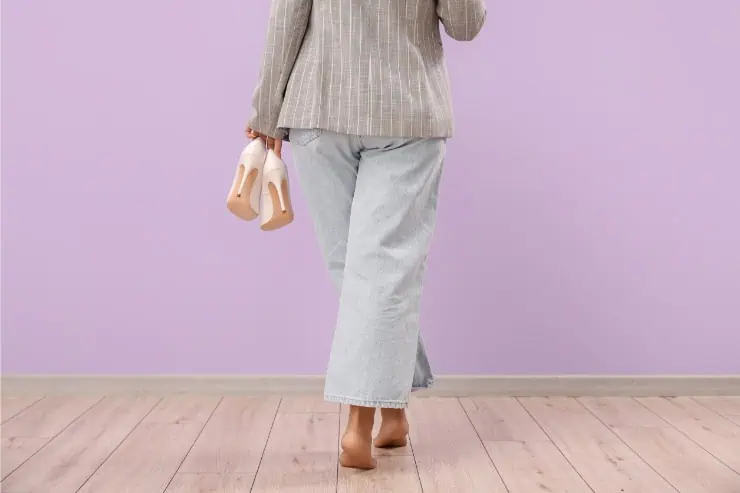
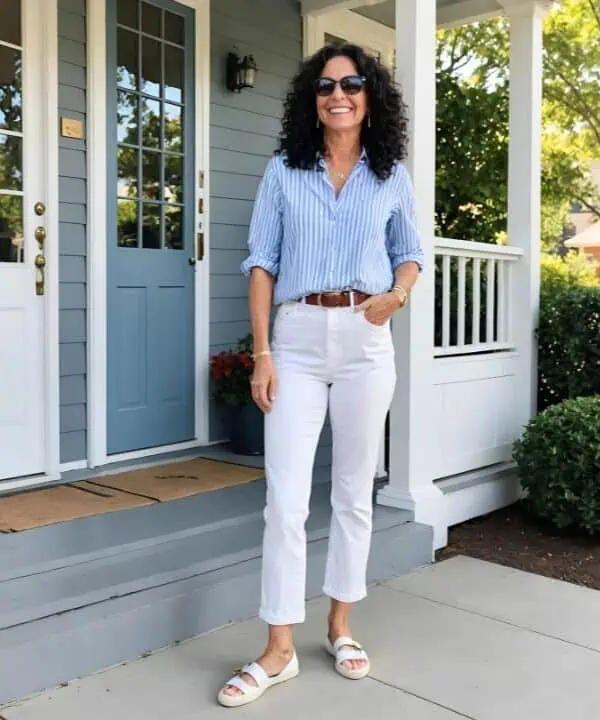
Length determines whether boyfriend jeans look polished or heavy. Full-length versions often bunch at the ankle, visually shortening the leg and adding bulk. I prefer styles that hit just above the ankle or roll the hem once or twice to create a cropped break. Showing the ankle lightens the silhouette and introduces vertical space between denim and shoe. This small adjustment makes the jeans look tailored rather than oversized. Cropped hems also pair better with most footwear, preventing fabric from swallowing shoes. The result is relaxed denim that still feels sharp and proportionate.
3. Choose Mid Rise for Modern Proportion
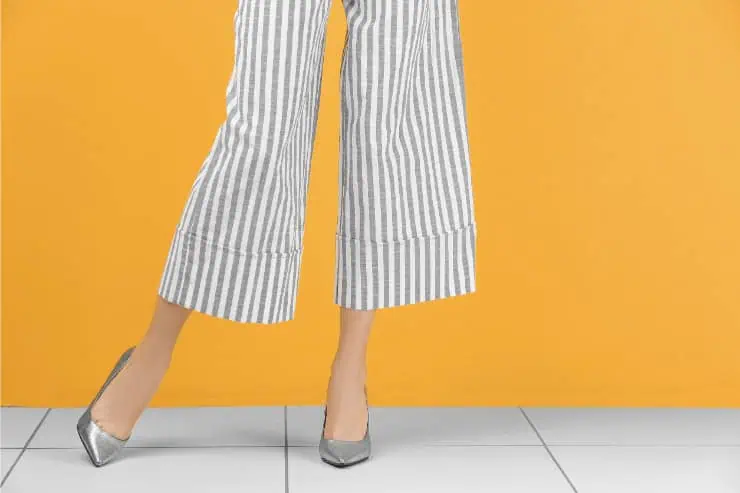
Rise dramatically affects how boyfriend jeans sit on the body. Very low-rise versions can look dated and unstable, while high-rise styles sometimes fight the relaxed aesthetic. I’ve found mid-rise to be the sweet spot: it holds comfortably at the natural waist area without appearing tight or rigid. This keeps the jeans relaxed through the hips while maintaining clean placement. Mid-rise also makes tucking or half-tucking tops easier, which reinforces structure. The proportion feels contemporary and balanced rather than exaggerated. After years of testing, rise choice proved just as important as leg shape for achieving the right boyfriend fit.
4. Add Sleek Footwear for Contrast
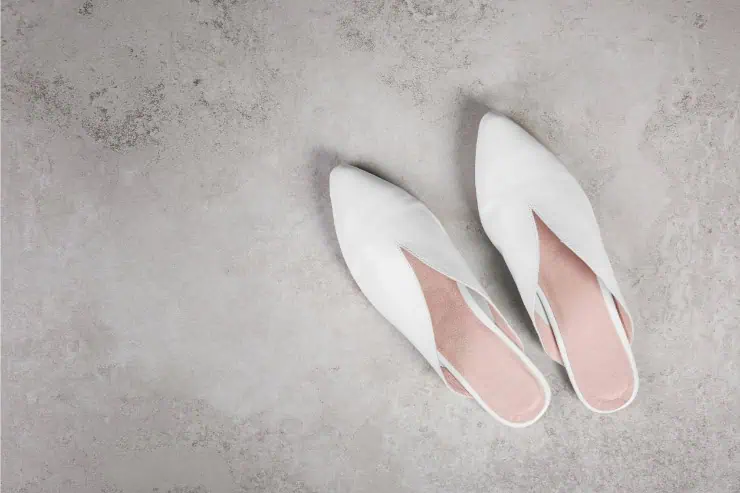
Because boyfriend jeans are casual and loose, footwear works best when it adds refinement. I often pair them with slim sneakers, loafers, pointed flats, or minimal heels. Sleeker shoes counterbalance denim bulk and keep the outfit elevated. Heavy or chunky shoes can compound volume and make the lower half feel weighty. The contrast between relaxed jeans and clean footwear sharpens the overall look. It signals intentional styling rather than accidental casualness. Even a small heel elongates the leg line beneath the cropped hem, making boyfriend jeans appear more tailored and flattering.
5. Use Tucking to Control Shape

How the top meets the waistband dramatically changes proportion. A full tuck defines the waist and makes the jeans look structured. A half-tuck or front tuck keeps the relaxed vibe while preventing fabric from hanging loose. Untucked tops often obscure the waistline and add bulk over already roomy denim. I adjust tucking depending on the outfit: sharper tops get a full tuck, softer knits a partial one. This small styling choice creates clarity between top and bottom, ensuring the jeans look intentionally loose rather than shapeless. Waist definition is key to polished boyfriend styling.