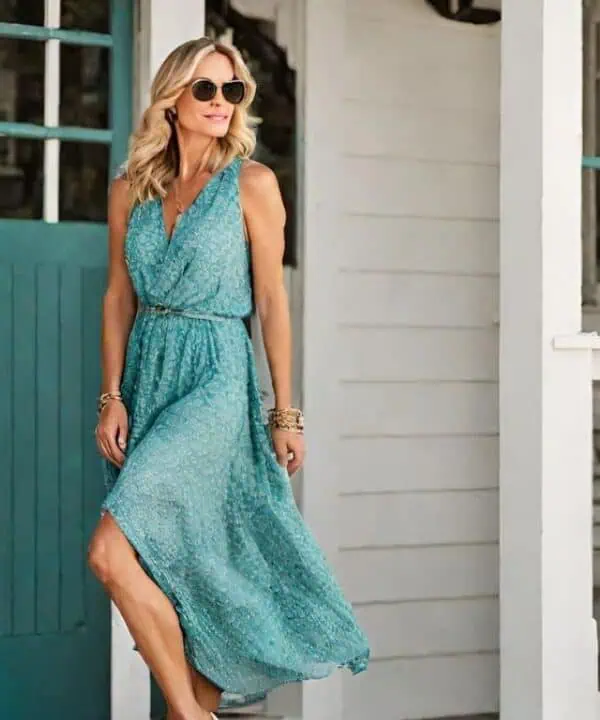
If getting dressed feels like a daily battle, you’re not alone. Many people spend far too much time second-guessing their outfits each morning, often ending up overwhelmed or running late. But this decision fatigue is avoidable. With a few thoughtful strategies, you can simplify your mornings, reduce stress, and make your wardrobe work for you instead of against you. Here’s how to take the guesswork out of getting dressed.
Table of Contents
1. Declutter What You Don’t Wear

Too many choices lead to indecision. Start by removing anything you haven’t worn in the past year or no longer feel good in. A crowded closet creates visual clutter and slows decision-making. Keep only what fits your lifestyle, flatters your body, and aligns with your current taste. When every item is a viable option, outfit decisions become faster and more confident.
2. Build a Weekly Outfit Plan

Plan your outfits for the week ahead, just like meal prepping or scheduling workouts. Use Sunday evenings to select complete outfits based on your calendar and the weather. Hang them in order or take photos on your phone for easy reference. Having this plan eliminates daily guesswork and helps you avoid last-minute panic when you’re short on time.
3. Create Go-To Outfit Formulas
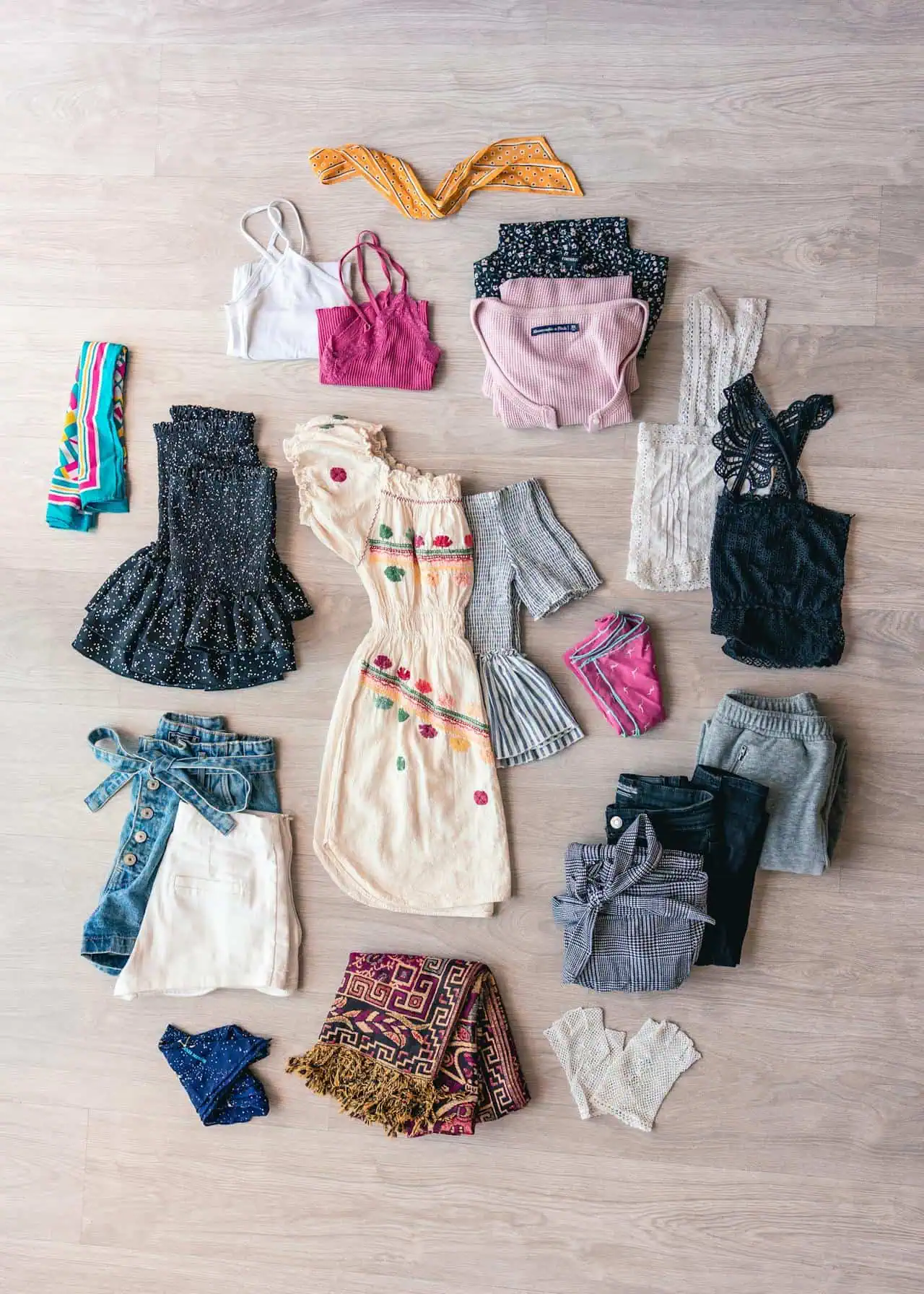
Outfit formulas are repeatable combinations that always work for your lifestyle and body type—like “blazer + tee + jeans” or “tunic + leggings + flats.” Identify three to five that make you feel confident and keep a mental or visual list. When you’re short on time, relying on these formulas helps you get dressed efficiently without overanalyzing every piece.
4. Keep a Small Capsule Section for Daily Wear
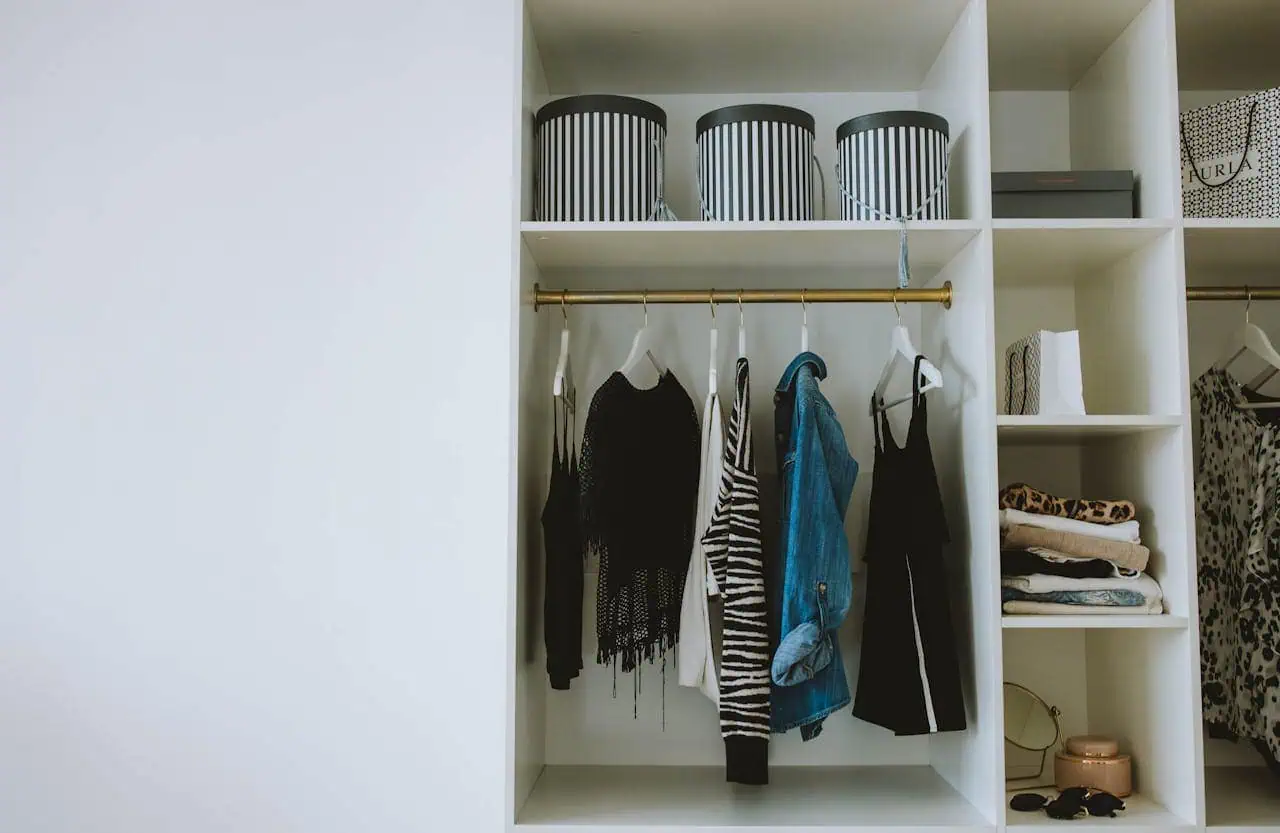
Instead of scanning your entire closet each morning, curate a capsule section with 10–15 versatile pieces you reach for most often. Rotate items in and out each season. This reduces visual overwhelm and keeps decision-making quick and focused. A mini wardrobe within your wardrobe keeps mornings streamlined and avoids falling into the “I have nothing to wear” trap.
5. Stop Waiting for the Perfect Mood

If you often change outfits multiple times, it may be because you’re dressing based on how you wish you felt rather than your actual day. Dress for your real schedule, not a hypothetical one. Choose clothes that are practical, comfortable, and stylish enough to work for any mood. Over time, wearing reliable staples builds confidence and cuts down emotional decision-making.
6. Limit Outfit Options the Night Before
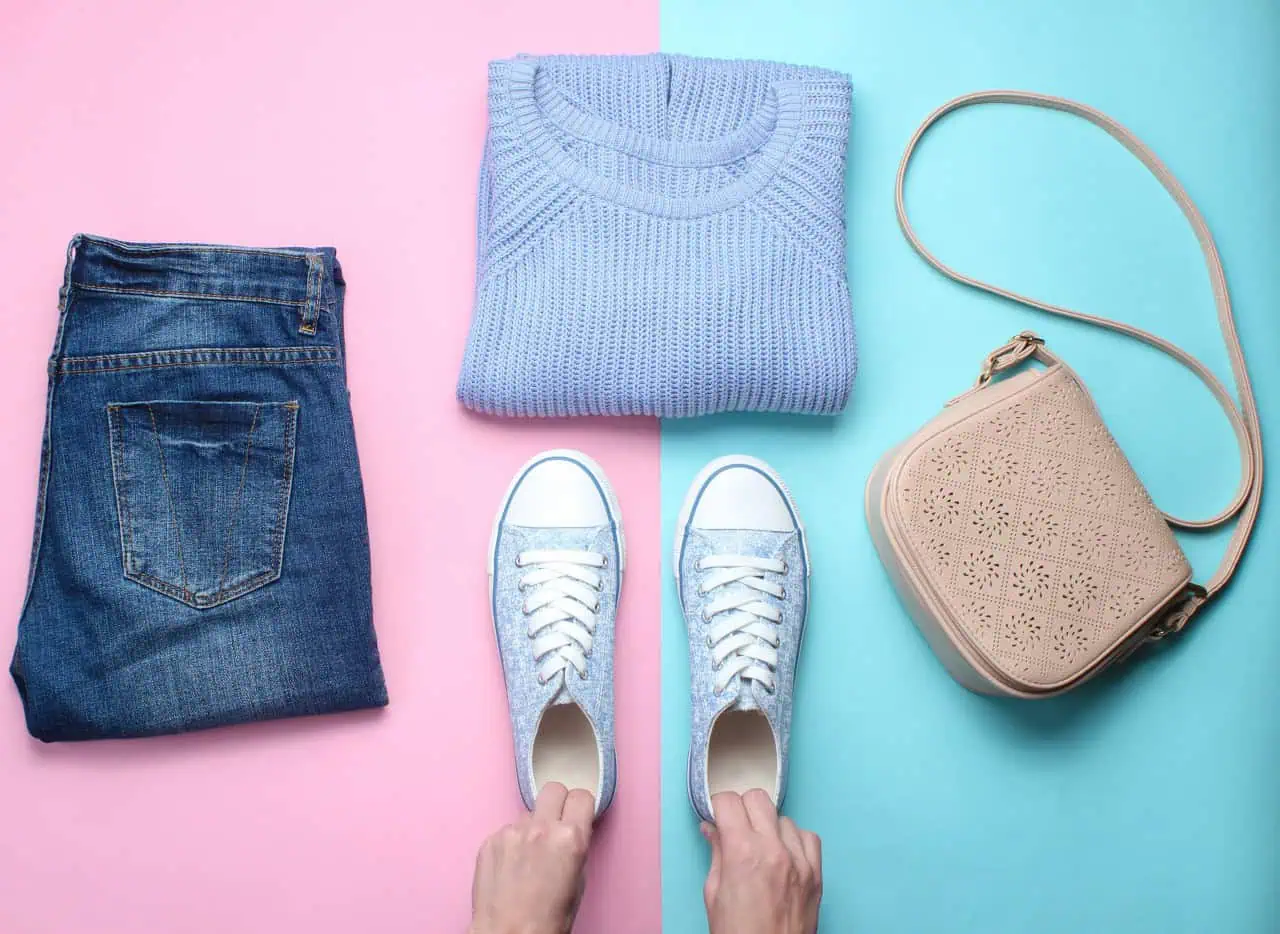
Avoid the morning rush by selecting your outfit the night before. Lay it out completely—clothing, shoes, and accessories—so you’re not making style decisions under time pressure. This small habit frees up mental space in the morning and reduces the risk of outfit regret or running late. When you’ve already made the choice, you’re more likely to stick with it confidently.
7. Trust a Neutral Base
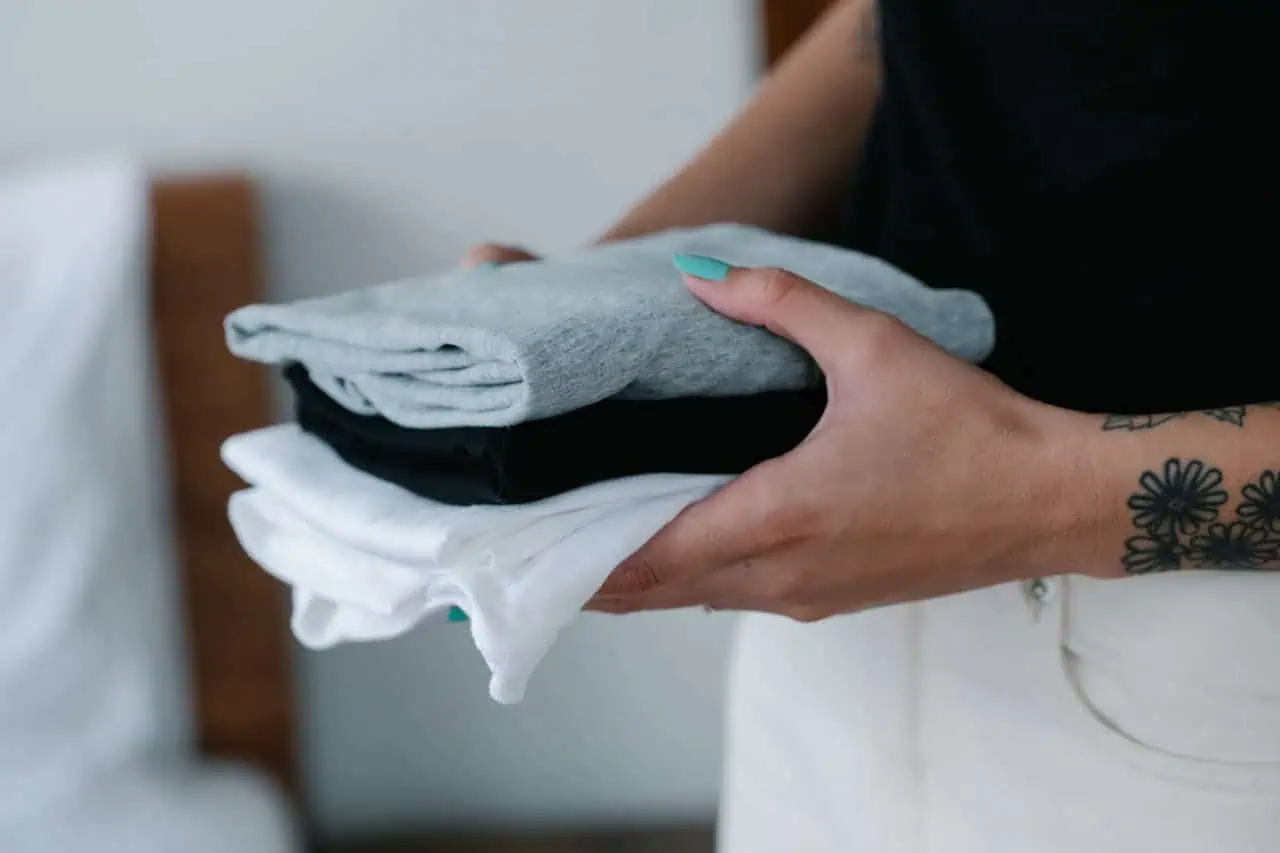
Build your wardrobe around neutral basics that mix and match easily. When you rely on black, white, navy, gray, or beige as your base, most pieces will coordinate without effort. A neutral palette simplifies combinations and reduces the need to second-guess color pairings. You can always add personality through accessories, but a calm base cuts down decisions.
8. Photograph Outfits That Work

When you feel good in an outfit, take a photo. Create a personal lookbook on your phone with outfits that fit well and reflect your style. On mornings when you’re indecisive, scroll through your collection and pick something you already know works. This takes the guesswork out of the process and helps you see patterns in what makes you feel confident.
9. Organize by Category, Then Color
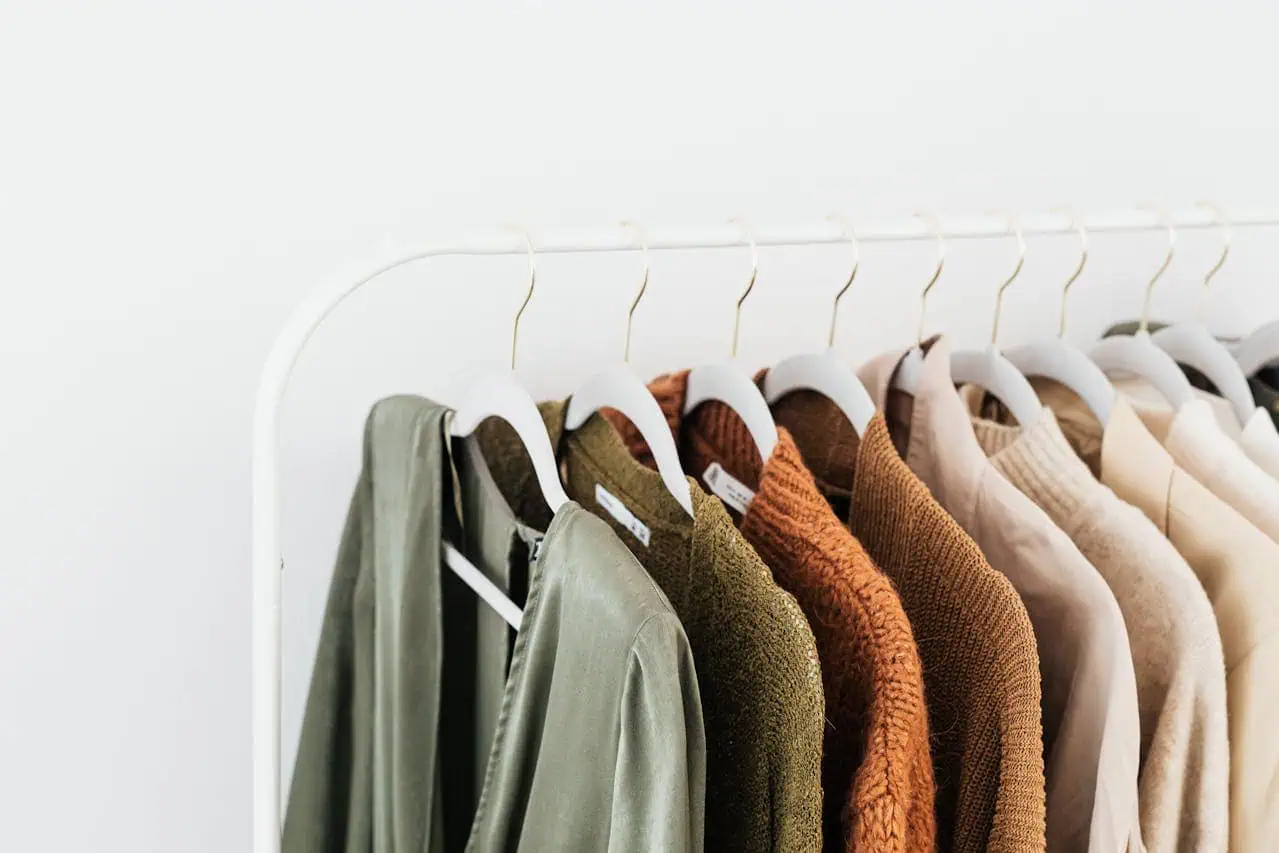
If your wardrobe is a visual mess, you’ll waste time hunting for matching pieces. Group items first by type—tops, bottoms, jackets—and then by color within each group. This makes it easier to scan your options quickly and choose items that work well together. A well-organized closet supports faster, more confident outfit decisions every day.
10. Accept That Not Every Outfit Will Be Perfect

Perfectionism slows you down. Not every outfit has to be your best look—it just needs to be appropriate, comfortable, and reflective of your personal style. Let go of the pressure to look flawless every day. Once you shift your mindset from trying to impress to simply feeling good, you’ll make faster, less stressful choices that still feel authentic.