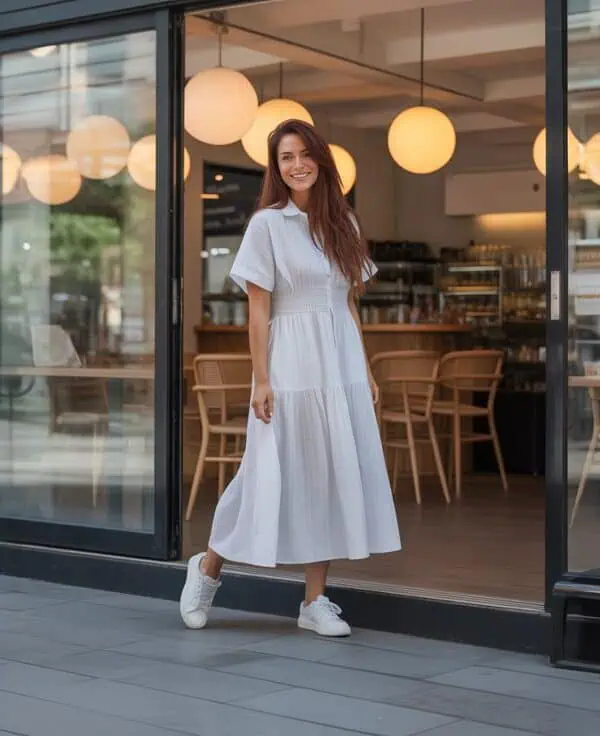
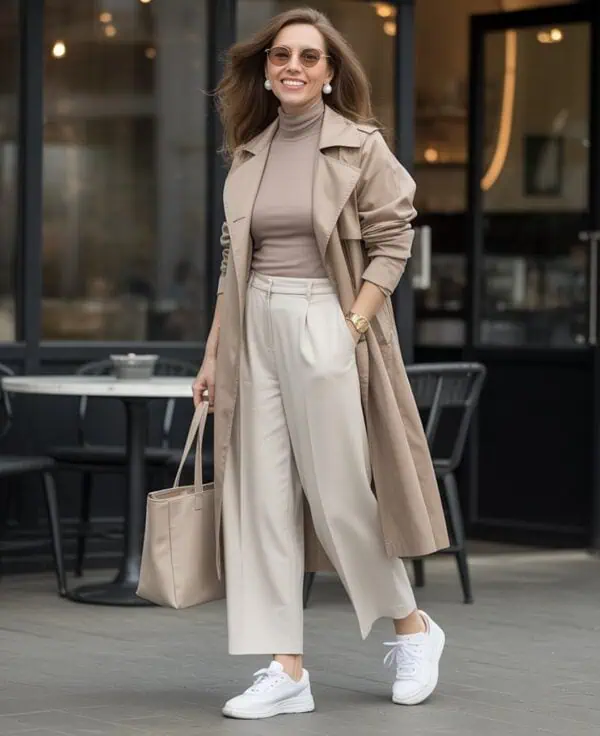
Organizing your closet by outfit type rather than color focuses on function over form. Instead of arranging items in a rainbow that may look pretty but offers little practical help, this method aligns your wardrobe with your lifestyle. It simplifies daily dressing by creating clearly defined zones for specific activities and occasions, allowing you to quickly find what you need. Whether you’re heading to the office, the gym, or a weekend brunch, having pre-sorted outfit categories saves time and keeps your wardrobe rotation balanced and purposeful. Here’s how to effectively restructure your closet based on outfit type.
Table of Contents
1. Categorize Clothes by Occasion or Function

Start by sorting all your clothes based on when and where you typically wear them. These categories can include workwear, casual outfits, formal attire, gym wear, sleepwear, and loungewear. This practical division mirrors how you live your life, making your closet more intuitive and useful. For example, instead of mixing your formal dress shirts with casual tees, place all professional pieces together. This approach not only speeds up your morning routine but also ensures every piece in your wardrobe has a designated home. You’ll immediately know where to look based on the day’s activities, reducing wardrobe confusion.
2. Create Outfit-Based Zones Within Each Category

Once you’ve separated your wardrobe by function, go deeper by creating outfit combinations within each category. Hang your go-to outfits together: that blouse with those slacks, the top that always goes with your favorite skirt, or the dress you layer with a cardigan. This technique turns your closet into a mini personal boutique, where everything is grouped for ease of use. Instead of grabbing random pieces and hoping they match, you can reach for a complete outfit already styled. It’s perfect for busy mornings and also helps ensure you’re wearing everything you own, not just the few items in constant rotation.
3. Use Labels or Dividers for Easy Navigation
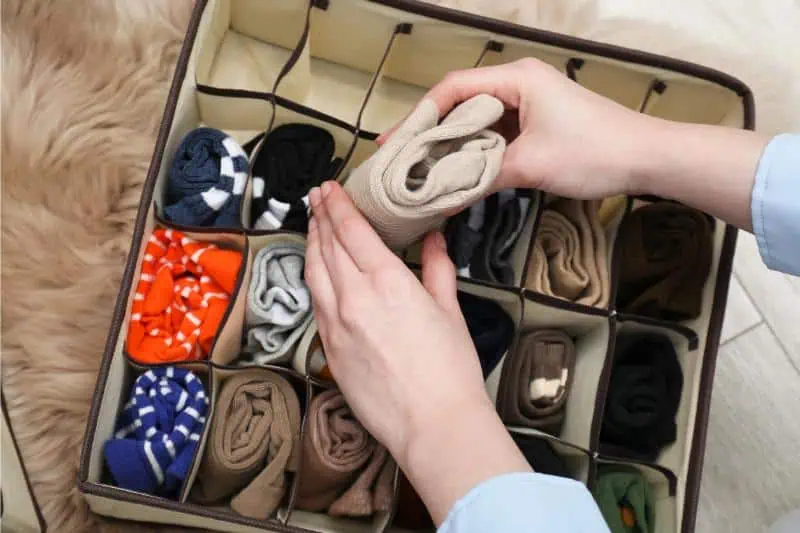
To maintain this new structure, incorporate physical markers in your closet like dividers, shelf labels, or even color-coded tags. Label sections as “Workwear,” “Weekend,” “Evening Out,” or “Vacation Looks” to avoid mix-ups and keep your organization intact. These cues make it visually easy to stick with the system over time. Plus, labels help you quickly recognize where an item belongs when returning clean laundry. If you’re sharing a closet, dividers can also make your section more personalized and manageable. This extra step enhances both functionality and aesthetics, giving your closet a streamlined and intentional look.
4. Reserve a Section for Mix-and-Match Staples
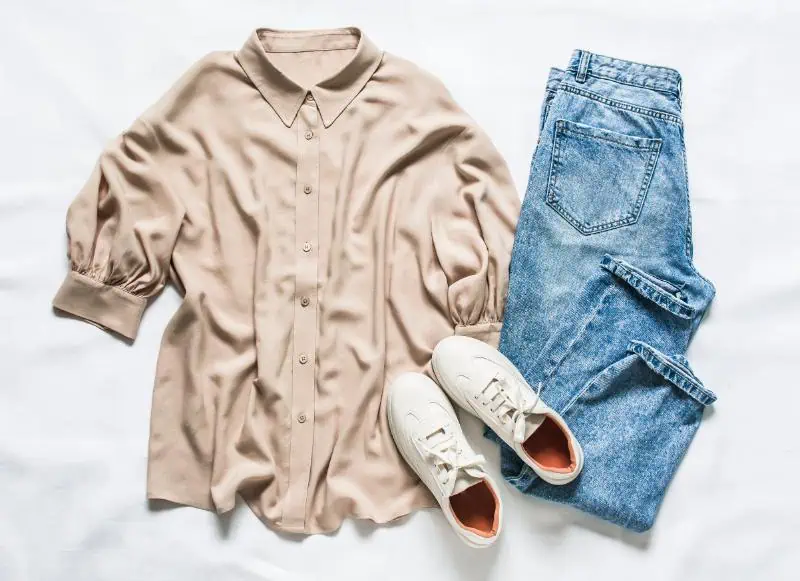
Even with an outfit-type system, some pieces are too versatile to assign to one category. That’s where a “staples” section comes in. Reserve a spot for neutral basics like plain tees, tanks, denim, leggings, or cardigans that serve multiple outfits. These are the building blocks of your wardrobe, often used to pull together complete looks across different outfit zones. Keeping them in a separate, central space ensures they’re always visible and ready to be integrated into any style, whether you’re dressing for work or play. This also prevents duplication and encourages thoughtful wardrobe planning.
5. Rotate Seasonally to Maintain Relevance

Your wardrobe needs shift with the seasons, so your closet should too. Rotate outfit sections as the weather changes, bringing summer dresses, lightweight sets, and sandals to the forefront while storing winter items like coats and sweaters elsewhere. This ensures your most wearable clothes are always front and center, minimizing clutter and decision fatigue. Use under-bed bins or vacuum-sealed bags to store off-season outfits. A seasonal reset is also a great opportunity to reassess what you actually wear, declutter pieces that no longer fit your style, and keep your wardrobe fresh and functional all year long.