A reliable closet is one that removes stress from getting dressed. It’s not about having more clothes or better labels it’s about knowing that what’s inside your wardrobe works for your body, your lifestyle, and your personal style. When a closet feels unreliable, it creates hesitation, frustration, and second-guessing. Women often describe a reliable closet as one where outfits come together easily and pieces feel interchangeable. This kind of wardrobe is built intentionally over time, not through trends or impulse buys. Reliability comes from trust trust in fit, comfort, proportion, and versatility. These principles help transform a closet from cluttered to calm.
Table of Contents
1. Start by Identifying What You Actually Wear

A reliable closet begins with honesty. The most important step is identifying which pieces you truly wear, not what you hope to wear someday. These frequently worn items reveal valuable information about your preferences, comfort needs, and lifestyle. Women often discover they rely on a small percentage of their wardrobe for most outfits. These pieces usually fit well, feel good, and work across situations. By identifying them, you gain clarity on what your closet already does well. Reliability grows when you build around proven favorites instead of trying to reinvent your style. This awareness sets the foundation for every future decision.
2. Eliminate Pieces That Create Doubt
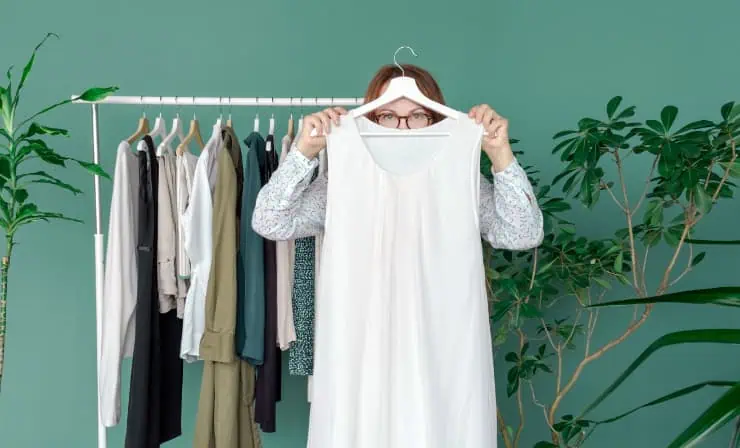
Unreliable closets are often filled with clothes that introduce hesitation. If an item requires constant adjusting, second-guessing, or justification, it weakens the entire wardrobe. Women frequently hold onto clothes out of guilt, nostalgia, or optimism, even when those pieces no longer serve them. Removing items that don’t fit well, feel comfortable, or align with your current life restores trust in your closet. Reliability comes from knowing that nearly everything you reach for will work.
3. Build Around Repeatable Outfit Formulas

Reliable closets are built on repeatable outfit formulas rather than one-off looks. These formulas might include trousers and a knit, a dress with a structured layer, or jeans paired with an elevated top. Women who feel confident in their wardrobe rely on combinations they know work. This repetition removes uncertainty and speeds up decision-making. Instead of reinventing outfits daily, they refine trusted formulas. Reliability comes from consistency, not novelty.
4. Prioritize Fit and Comfort Above All Else

No closet can feel reliable if the clothes don’t fit comfortably. Women often underestimate how much discomfort undermines confidence. Reliable wardrobes prioritize pieces that allow movement, breathing, and ease throughout the day. Fit doesn’t mean tight it means supportive and balanced. Tailoring plays an important role here, as small adjustments can dramatically improve wearability. When clothes fit well, they disappear into daily life instead of demanding attention. Comfort builds trust.
5. Choose Colors That Work Together Easily

Color cohesion is a major factor in wardrobe reliability. Closets feel dependable when most pieces naturally coordinate. This doesn’t require limiting yourself to neutrals it requires intention. Women who feel confident in their closets often gravitate toward a consistent color palette that reflects their preferences and complexion. When colors work together, outfits come together quickly. This reduces decision fatigue and styling frustration.
6. Invest in Versatile, Hardworking Pieces

Reliable closets are anchored by versatile pieces that serve multiple roles. These are items that can be dressed up or down, layered across seasons, and worn in different settings. Women often describe these as their “workhorse” pieces trusted trousers, jackets, knits, or dresses that adapt easily. Investing in quality and versatility reduces the need for constant replacements. These pieces earn their place through repeated wear. Reliability grows when clothes prove themselves over time. A few hardworking items are more valuable than many occasional ones.