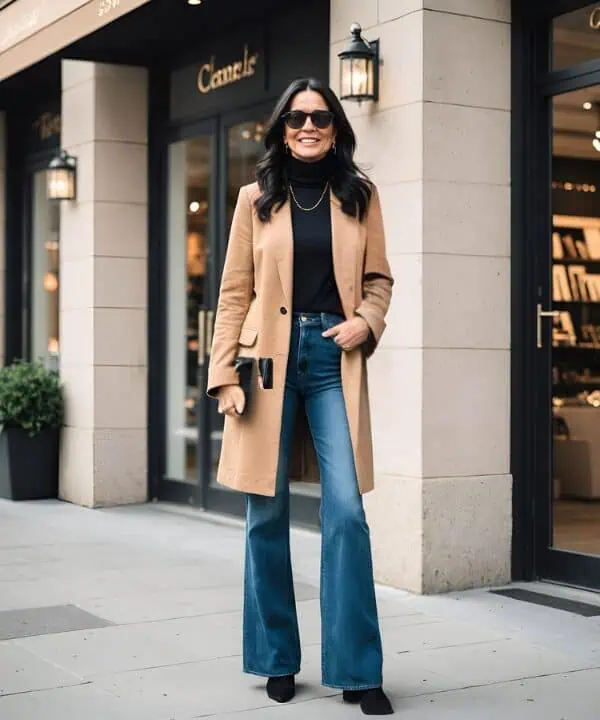
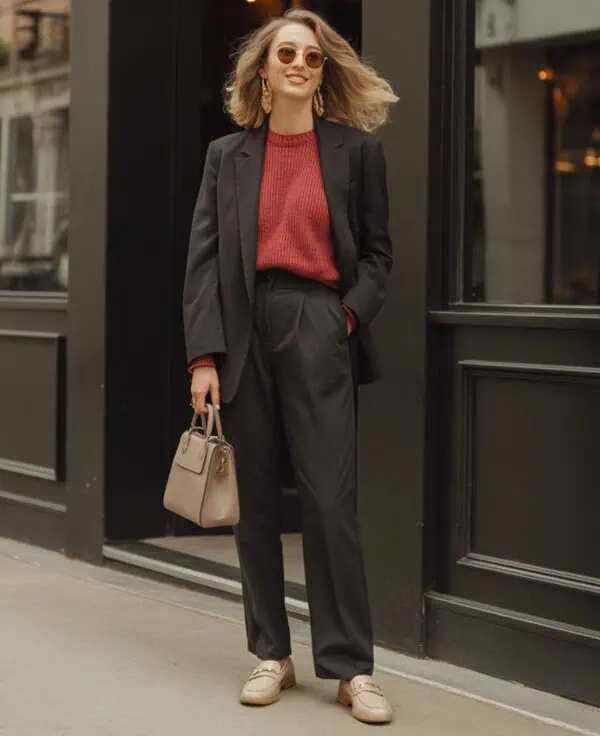
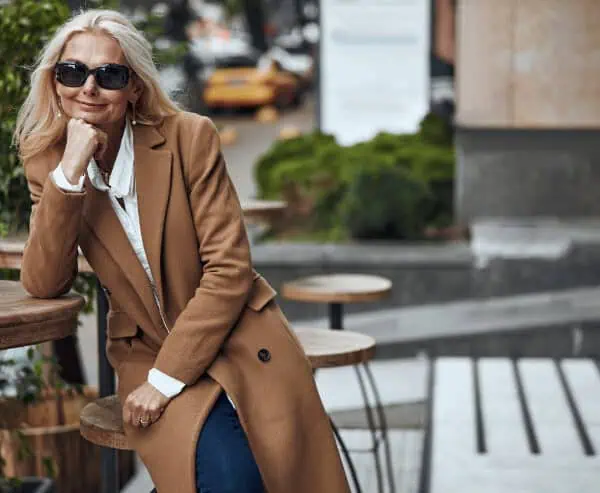
For many women, turning 45 marks a shift from dressing to impress toward dressing to express. Years of understanding body changes, lifestyle priorities, and personal taste create a deeper clarity about what truly works. Instead of chasing trends or external approval, style becomes guided by comfort, proportion, and identity. This transition produces clothing choices that feel natural rather than performative. As social attitudes toward age evolve, women are also rejecting outdated rules that once limited midlife fashion. The result is a visible confidence renaissance: wardrobes that balance elegance with ease and individuality. Fashion after 45 now reflects lived experience and self-assurance, making it more compelling and expressive than ever before.
Table of Contents
1. Self Knowledge Replaces Trend Pressure
By 45, many women have experienced enough fashion cycles to recognize which trends serve them and which do not. This awareness reduces the urge to follow every seasonal shift. Instead, clothing decisions become selective and purposeful. Self-knowledge about body shape, preferred silhouettes, and comfort needs allows wardrobes to stabilize around what consistently flatters. Without trend pressure, outfits feel more relaxed and authentic. The absence of fashion anxiety also encourages experimentation within personal boundaries rather than external expectations. This psychological shift creates visible confidence. Style after 45 becomes less about proving relevance and more about expressing identity, which naturally appears more assured and sophisticated.
2. Comfort and Elegance Finally Merge

Earlier in life, women often feel forced to choose between looking polished and feeling comfortable. After 45, priorities change toward clothing that supports daily life without sacrificing appearance. Advances in fabrics and design also make this balance achievable. Garments now skim rather than constrain, offering movement while maintaining structure. When clothing feels physically comfortable, posture improves and self-assurance increases. This harmony between ease and elegance transforms how outfits are perceived. Instead of tension or effort, observers see calm confidence. The merging of comfort and refinement is central to the midlife style renaissance, redefining what polished dressing looks like.
3. Proportion Awareness Deepens With Age

Experience gradually teaches which lengths, volumes, and fits create balance. By midlife, many women intuitively adjust silhouettes to suit body changes. This understanding reduces styling mistakes and enhances visual harmony. Rather than experimenting randomly, outfits become deliberately proportioned balanced tops with structured bottoms, or fluid pieces anchored by shape. This structural awareness makes clothing appear tailored even when relaxed. Younger wardrobes often rely on trend shapes that may not suit the wearer, but midlife dressing refines silhouette consistently. The resulting clarity elevates style presence. Proportion mastery is a quiet yet powerful contributor to the sense of confidence in fashion after 45.
4. Identity Becomes More Important Than Approval

At 45 and beyond, social approval often loses importance compared to authenticity. Women increasingly dress according to personal values, lifestyle, and taste rather than external expectations. Clothing becomes a reflection of identity rather than conformity. This shift produces wardrobes that feel distinctive and coherent. When outfits align with self-image, confidence appears natural rather than constructed. The fear of judgment decreases, allowing color, texture, or silhouette choices that genuinely resonate. This independence from approval is central to the renaissance: fashion becomes self-defined. Identity-led dressing carries depth and conviction, making midlife style more compelling than trend-driven youth fashion.
5. Quality Over Quantity Signals Maturity

Many women after 45 move toward fewer, better garments. Investment in fabric, cut, and construction replaces accumulation of trend items. Higher quality pieces hold shape and integrate across outfits, creating consistent polish. This shift also reflects changing priorities toward longevity and sustainability. When wardrobes contain dependable pieces, dressing becomes easier and more refined. Quality communicates intention and discernment, reinforcing confidence. Younger wardrobes often emphasize variety, but midlife wardrobes emphasize cohesion. The visual result is calmer and more sophisticated. Choosing quality over quantity strengthens the perception that fashion after 45 is deliberate, elevated, and self-assured.