The dropped-waist silhouette, inspired by 1920s fashion, has quietly returned to modern wardrobes in 2026. Designers are reintroducing dresses and tops where the waistline sits several inches below the natural waist, sometimes closer to the hips. While this look reflects vintage elegance and relaxed tailoring, it can be surprisingly difficult to wear. For women with shorter torsos, the lowered waistline can disrupt natural body proportions and create a stretched, boxy appearance. Instead of flattering the figure, the design often removes the natural waist definition that gives shape and balance to the body. The result can make the torso appear longer than it is, while the legs look shorter and the overall frame appears less structured and sometimes older.
Table of Contents
1. The Waistline Falls Below Your Natural Shape
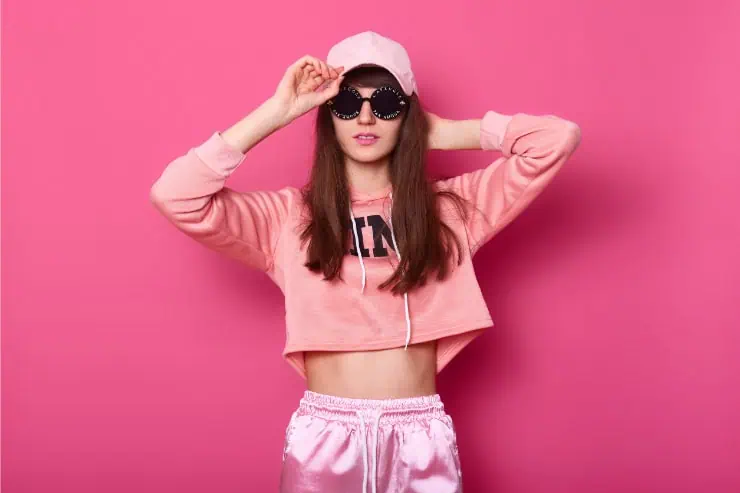
The biggest issue with dropped-waist designs is where the waistline actually sits. Traditional garments are designed to highlight the body’s natural waist, which is usually the narrowest part of the torso. A dropped-waist style intentionally lowers that seam several inches toward the hips. For someone with a short torso, this shift removes the natural break between the upper body and the lower body. When the waistline sits too low, the torso visually stretches downward, which makes the upper body appear longer and less defined. Instead of emphasizing curves or shape, the garment creates a straight vertical line that can feel shapeless. This is why many people with shorter torsos find the dropped-waist silhouette difficult to balance.
2. It Shortens the Appearance of Your Legs
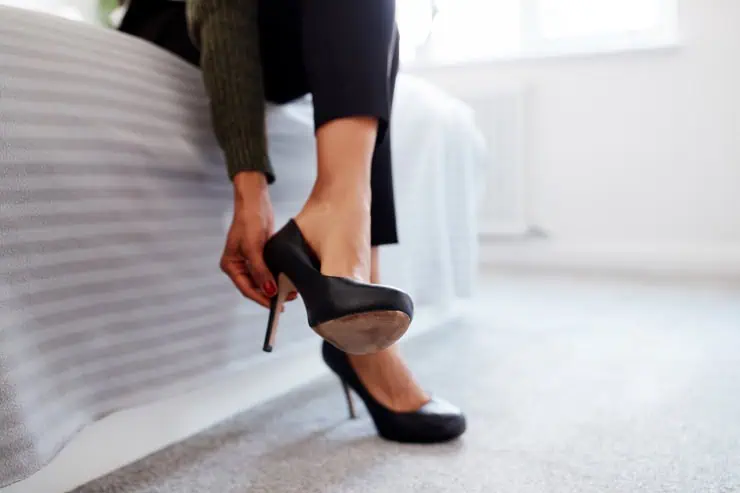
Another common problem with dropped-waist clothing is how it affects leg proportions. When the waistline moves downward, the visual starting point of the legs also shifts lower. This simple design change can make the legs appear noticeably shorter than they actually are. For individuals with shorter torsos, this effect becomes even more pronounced because the body’s natural proportions are already compact in the upper half. By extending the torso visually, the design unintentionally compresses the lower half of the body. The result is a silhouette where the legs look shorter and the body appears less balanced overall. This is why many stylists recommend higher waistlines for creating the illusion of longer legs.
3. The Silhouette Can Look Boxy Instead of Defined
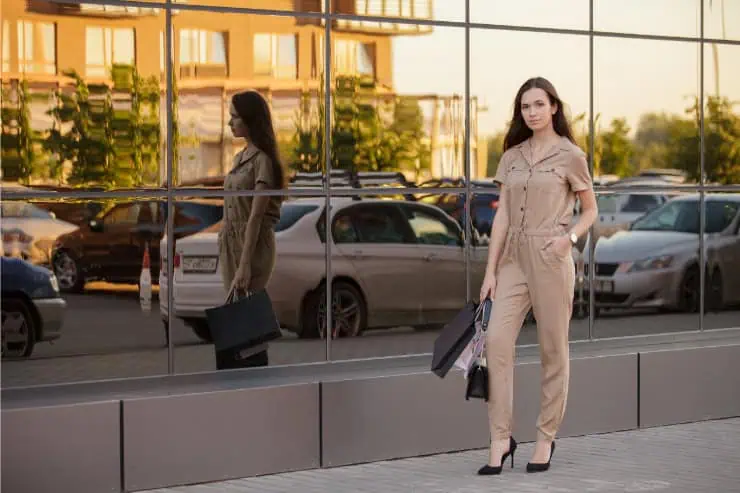
Dropped-waist styles often rely on straight, loose cuts that follow the lines of the 1920s flapper aesthetic. While that era celebrated relaxed silhouettes, modern body proportions do not always benefit from the same structure. When the waistline drops and the fabric hangs straight from the bust to the hips, the natural curves of the body can disappear. For women with shorter torsos, this lack of shaping can make the entire midsection appear wider and more rectangular. Instead of creating elegance, the garment may flatten the figure and remove the subtle definition that helps clothing look polished and intentional.
4. It Can Make the Frame Look Older
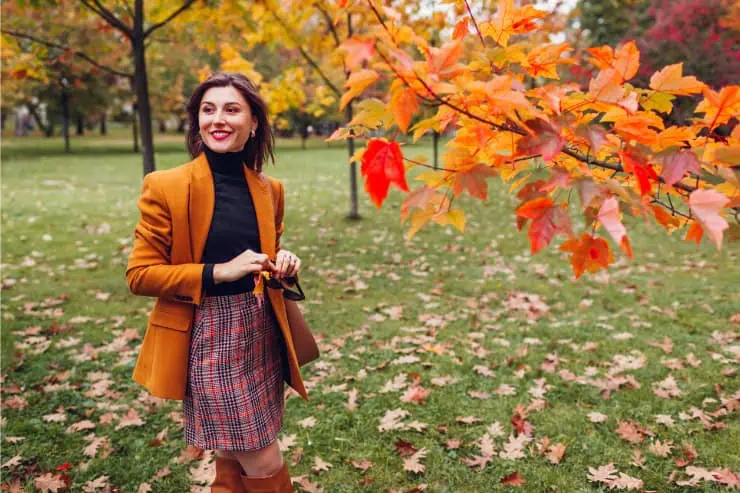
Clothing that removes waist definition can sometimes create an aging effect because it hides one of the body’s most flattering structural points. The natural waist helps define shape and movement in clothing, and when it disappears, the silhouette can start to look heavy or outdated. For women with shorter torsos, the dropped-waist style may make the body appear less structured and more elongated in the middle. This can give the impression of a longer, less youthful frame. The look may also resemble oversized or poorly fitted clothing rather than a deliberate fashion choice, which is why many stylists suggest maintaining some waist emphasis in everyday outfits.
5. Why Proportion Matters More Than Trends

Fashion trends often cycle through decades, and the 1920s revival is part of that pattern. However, not every trend suits every body type equally. The dropped-waist silhouette was originally designed for a very specific aesthetic that emphasized straight, boyish shapes rather than defined curves. For modern wearers, especially those with short torsos, the style can easily distort natural proportions. Clothing that highlights the natural waist, adds gentle structure, or creates vertical balance usually works better for maintaining an elegant silhouette. Understanding how proportion affects the overall look of an outfit helps explain why the dropped-waist trend can feel flattering on some people but challenging on others.