Dressing as a petite woman over 60 comes with its own unique style considerations. It’s not about limiting your fashion choices—it’s about choosing pieces that highlight your frame, honor your experience, and help you feel confident every day. The key is to understand proportions, avoid outdated “rules,” and embrace smart styling tricks that actually work. Whether you’re refining your wardrobe or starting fresh, these dos and don’ts can help you feel both youthful and elegant—without ever trying too hard.
1. Do: Prioritize Tailoring
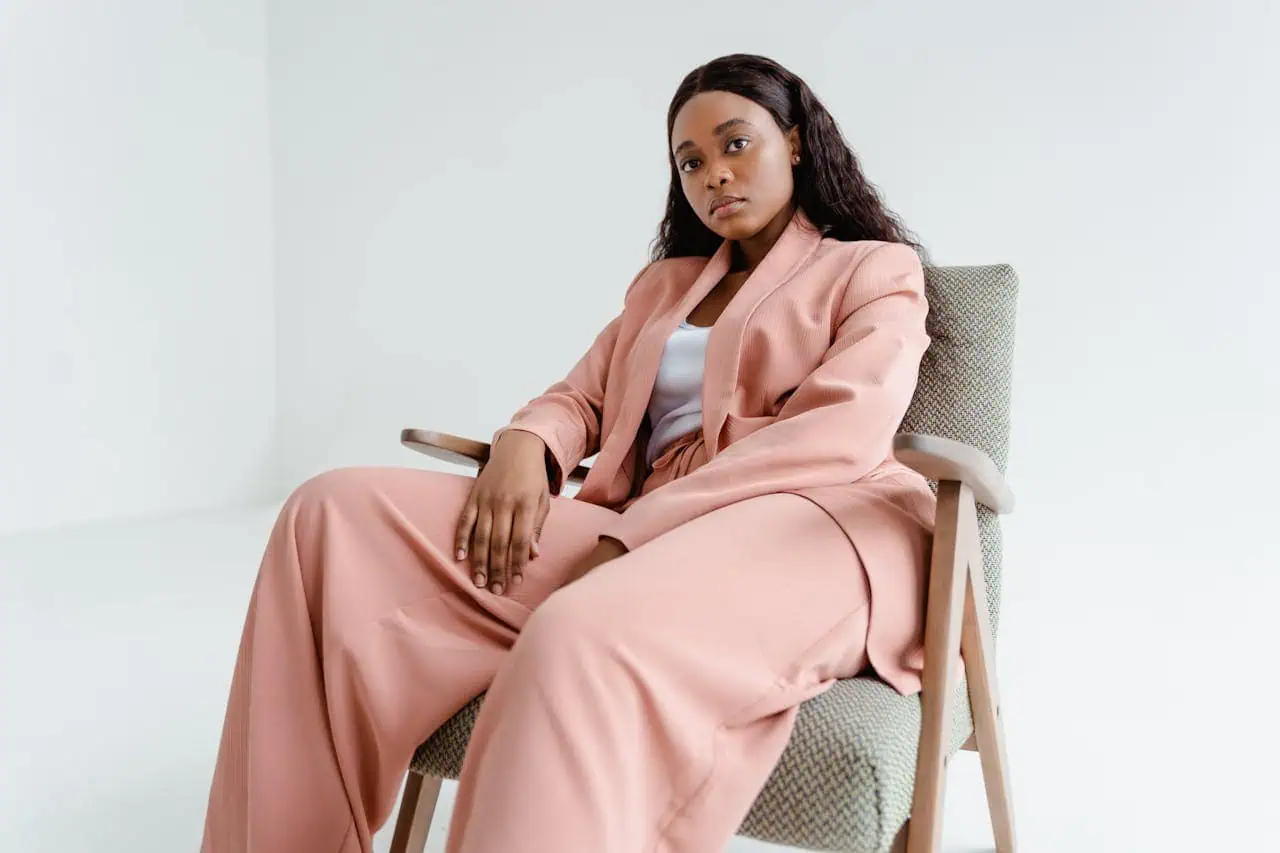
Clothes that truly fit make the biggest difference for petite women. Off-the-rack items are often too long in the sleeves, torso, or hem. Invest in tailoring to adjust proportions—cropped pants that actually hit the ankle, jackets that define your waist, or skirts that don’t overwhelm your frame. Even simple tweaks like raising the shoulder seam or shortening a hemline can add polish and visual balance. Well-fitted clothing gives the illusion of height, sharpens your overall look, and ensures you’re wearing the garment—not letting it wear you.
2. Don’t: Wear Oversized, Boxy Pieces
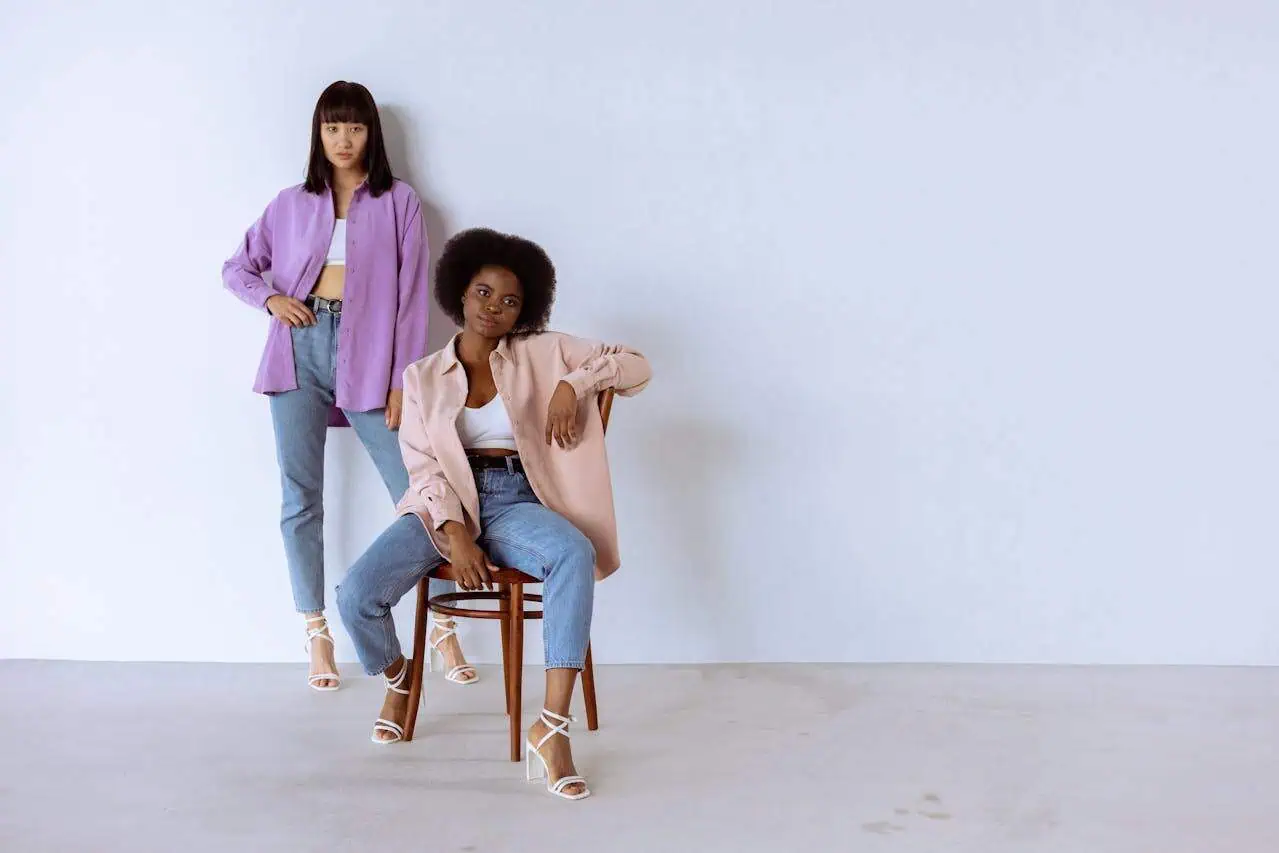
While comfort matters, oversized clothes can easily overwhelm a petite frame, especially after 60. Boxy silhouettes hide your shape, create visual bulk, and may unintentionally age your appearance. Instead, opt for semi-fitted styles that softly follow your body’s natural curves. Think structured blazers, straight-leg pants, or slightly A-line skirts. If you love layers, try slimmer cuts or add a belt to define your waist. The goal isn’t tightness—it’s balance and proportion, so your outfit flatters without feeling restrictive.
3. Do: Choose Monochrome or Tonal Looks
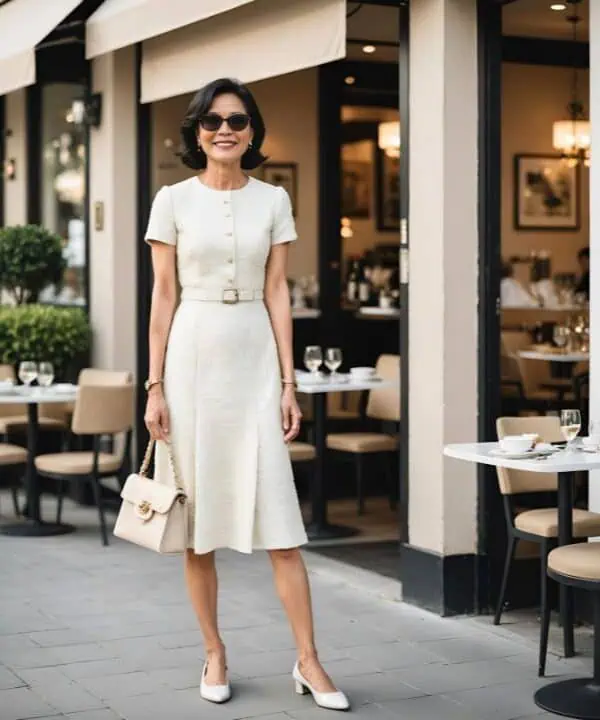
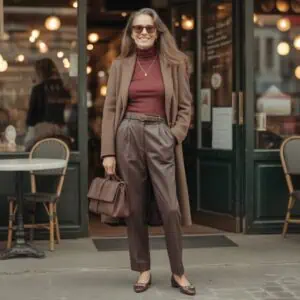
Dressing in one color or shades of the same tone creates an unbroken vertical line, which is flattering for petites. Neutral shades, deep jewel tones, or soft pastels can all work beautifully. You don’t need to stick to black; consider navy, charcoal, olive, or cream for equally elongating effects. Tonal dressing also feels elegant and pulled together. If you want to add interest, layer textures—like combining knits, silk, or tweed in the same shade family for dimension without visual clutter.
4. Don’t: Go Overboard With Accessories
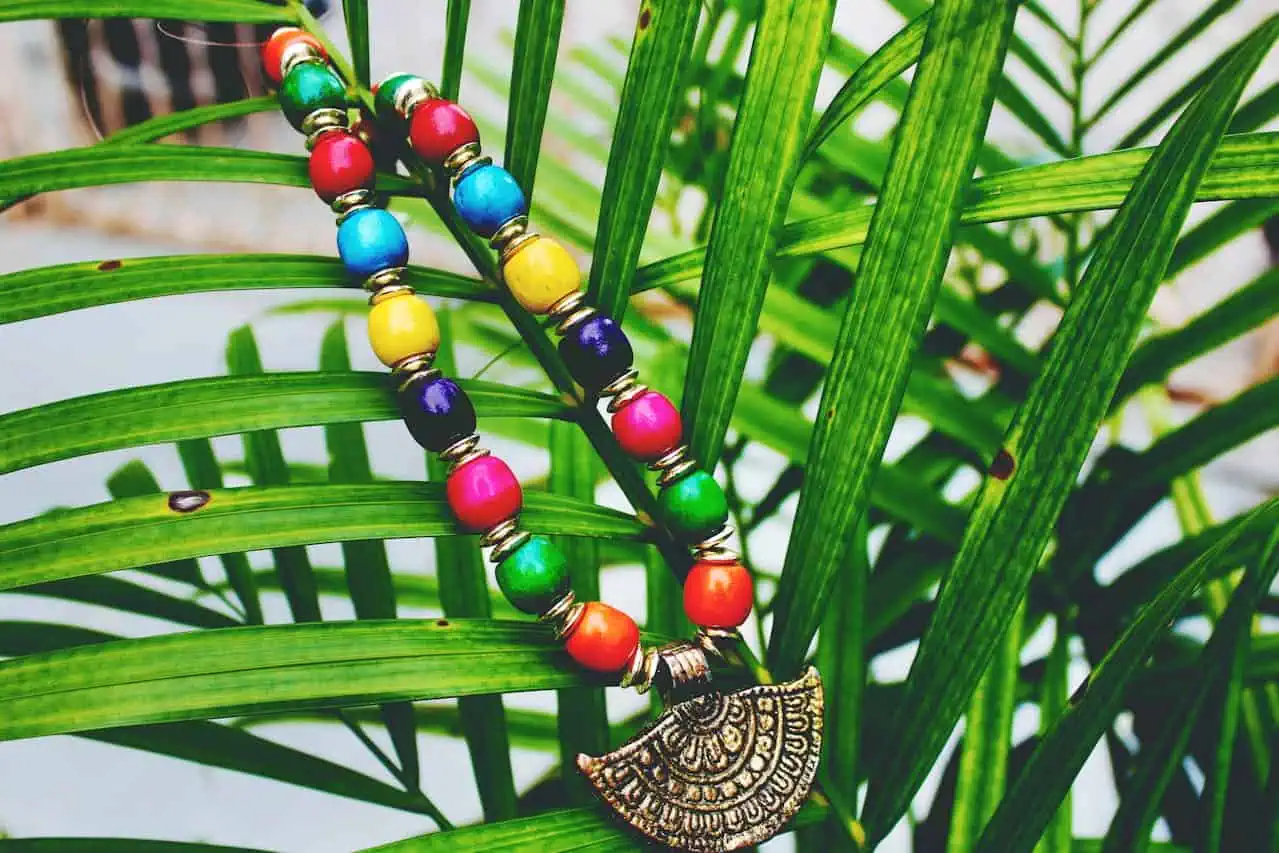
Accessories can elevate an outfit, but too many can feel heavy or dated—especially on a petite frame. Statement earrings, oversized bags, and bulky scarves may overwhelm your proportions. Instead, choose one focal accessory per look. Opt for smaller crossbody bags, delicate jewelry, or scarves worn with intention. Clean styling with thoughtful accents feels more refined. This shift isn’t about minimalism—it’s about harmony. Accessories should enhance you, not compete for attention or throw off the outfit’s proportions.
5. Do: Opt for High-Rise Bottoms
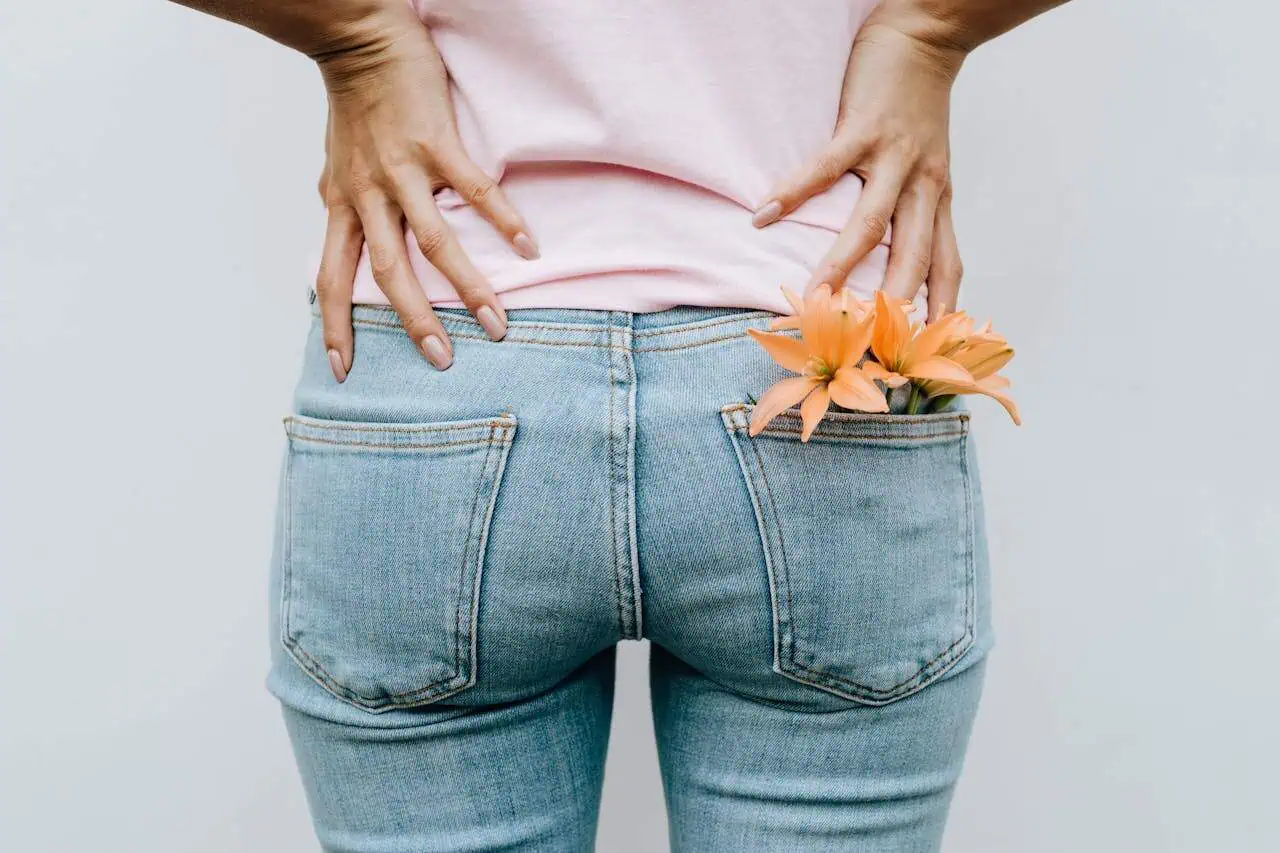
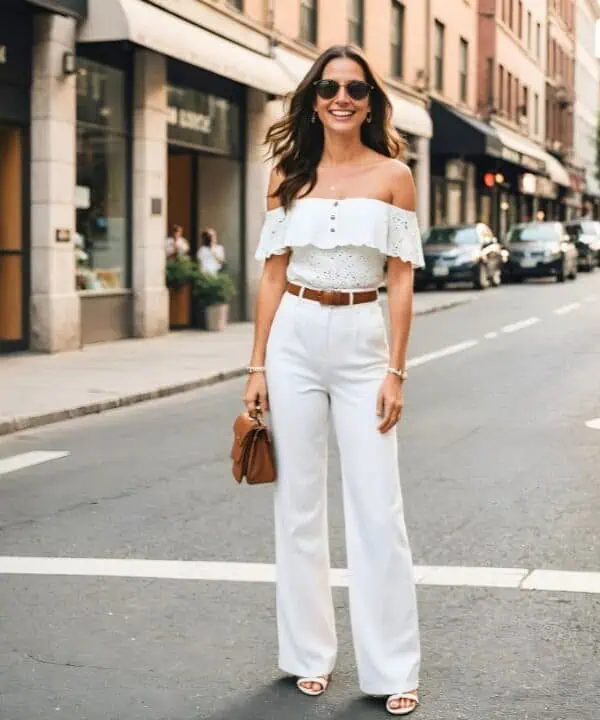
High-rise pants and skirts help lengthen the appearance of your legs, especially when tucked in or paired with a fitted top. They also tend to offer better support and comfort around the waist. For women over 60, a flattering high-rise cut can smooth the midsection and create a lifted silhouette. Look for trousers that sit just above your natural waist and fall straight or slightly tapered. Avoid wide, low-rise cuts, which can shorten the torso and create unnecessary bulk at the hips.
6. Don’t: Ignore Shoe Proportion
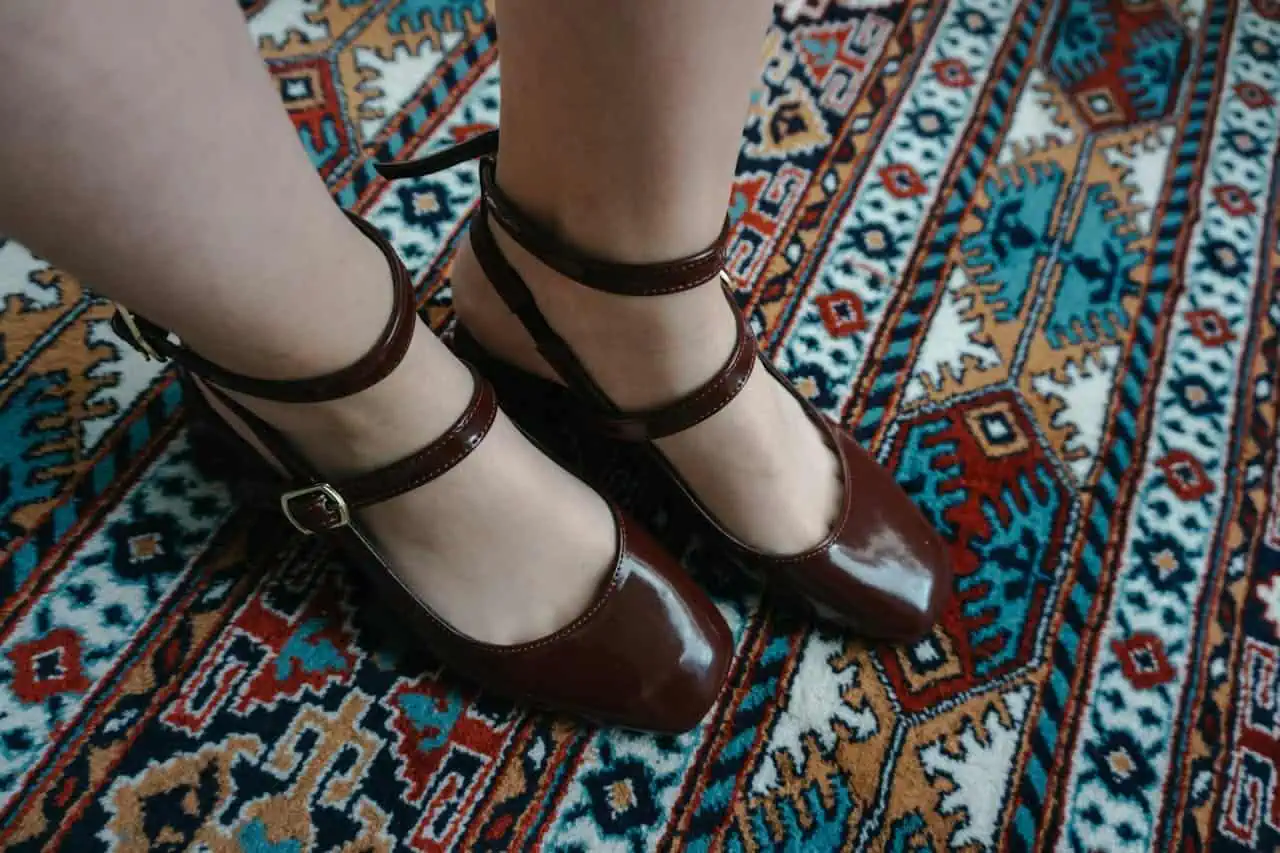
Shoes can make or break a petite outfit. Bulky sneakers, chunky platforms, or boots with wide openings can cut off your leg line and disrupt the visual flow. Instead, go for sleek, streamlined styles—pointed-toe flats, block-heel pumps, or ankle boots that hug the ankle. Nude-toned shoes that match your skin tone help elongate the legs. You don’t need height to create elegance; you need proportion. Prioritize comfort, but aim for styles that maintain your outfit’s clean silhouette.