Winter wardrobes often become a collection of sentimental pieces, expensive investments, and “just in case” items that rarely get worn. Over time, fabrics wear down, insulation loses effectiveness, and styles shift, leaving us with bulky closets full of clothing that doesn’t serve us anymore. Holding onto outdated or deteriorating winter items can make getting dressed feel frustrating and may even leave you colder than you realize. By identifying the pieces that no longer fit, flatter, or function well, you can refresh your wardrobe, improve comfort, and make space for items that truly work for you. Here are nine winter clothing items women commonly keep too long and why it may be time to retire them.
Table of Contents
1. Old Puffer Jackets

Puffer jackets are built for warmth, but over time the insulation inside compresses, clumps, or loses loft, dramatically reducing their ability to trap heat. Even high-quality down doesn’t last forever, especially if it’s been stored improperly or worn frequently. The outer shell may also become less water-resistant, meaning snow and rain soak through more easily. Hardware like zippers and snaps tend to fail as stitching weakens from repeated use. If your once-cozy coat feels colder, looks shapeless, or absorbs moisture instead of repelling it, it’s likely past its prime. Replacing it with a newer, more efficient style can improve warmth and comfort all winter long.
2. Worn Wool or Cashmere Sweaters
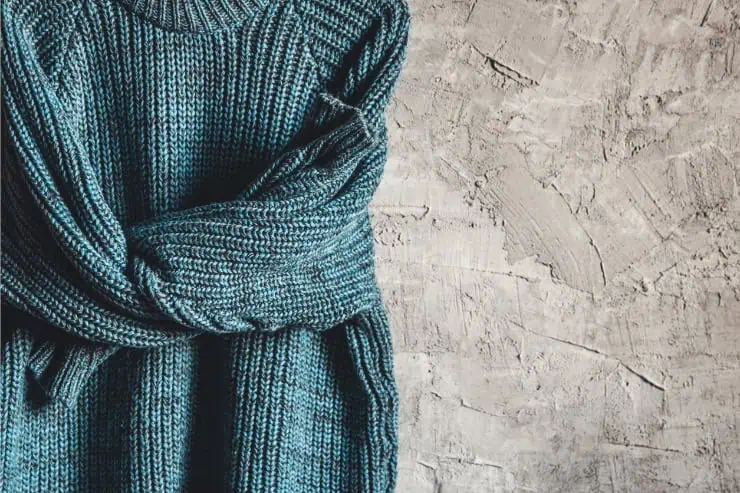
Wool and cashmere sweaters often become beloved wardrobe staples, which makes them hard to part with. However, these delicate fibers gradually thin, stretch, and pill with repeated wear. Eventually, the sweater loses its shape and begins to look worn and droopy, especially around cuffs, elbows, and hems. Persistent odors or stains that won’t wash out are signs that the fibers have broken down internally. Once the structure is compromised, the sweater provides less insulation and can look dated or untidy. Retiring heavily worn pieces allows you to upgrade to sweaters that feel soft, fit well, and elevate your cold-weather outfits.
3. Stretched-Out Base Layers

Thermal tops and leggings are essential for warmth, but they rely on a snug fit to trap heat properly. Over time, repeated washing and movement wear out the elastic fibers, causing them to stretch and sag. Thinned fabric can become almost transparent in places, offering little insulation and reduced comfort. Loose seams may chafe, and sagging layers make outer clothing fit awkwardly. If your base layers feel baggy, cold, or uncomfortable, they’re no longer functioning the way they should. Replacing them with supportive, moisture-wicking options makes a noticeable difference in warmth and overall winter comfort.
4. Heavy Winter Boots
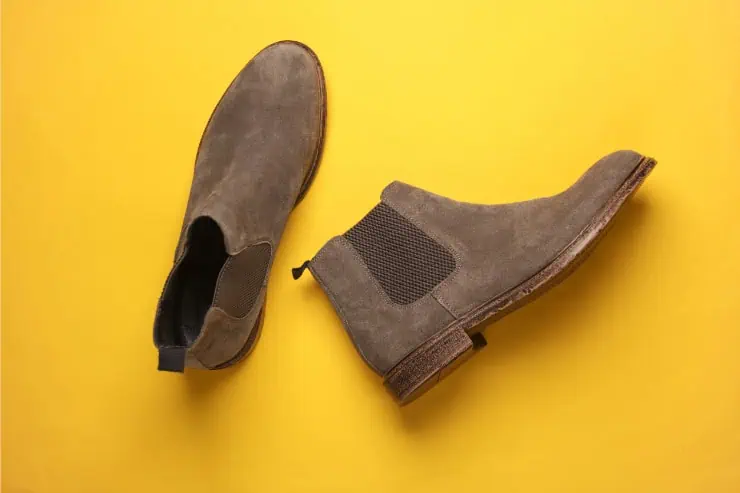
Winter boots take a beating, especially in snowy or icy climates. The tread wears down, reducing traction and increasing the risk of slipping. The inner lining often flattens or tears, making them less warm and less comfortable. Waterproofing fades over time, allowing moisture to seep in and leave your feet cold and damp. Cracked leather or peeling synthetic material also signals that the boots are near the end of their lifespan. Holding onto worn boots can compromise both safety and warmth, so upgrading to a supportive, weatherproof pair can greatly improve your winter experience.
5. Old Scarves, Gloves, and Hats

Accessories may seem like small items, but worn-out winter accessories can significantly impact warmth. Knit gloves can lose elasticity, making them loose and ineffective at retaining heat. Scarves may pill, fray, or develop thin spots where fabric has rubbed repeatedly against coat collars. Hats that have stretched out or lost their lining no longer protect your ears from cold winds. Because these pieces are often worn daily, they accumulate sweat, oils, and odors that become difficult to remove. Refreshing your accessory collection can instantly make your winter outfits look newer and feel cozier.
6. Insulated Snow Pants
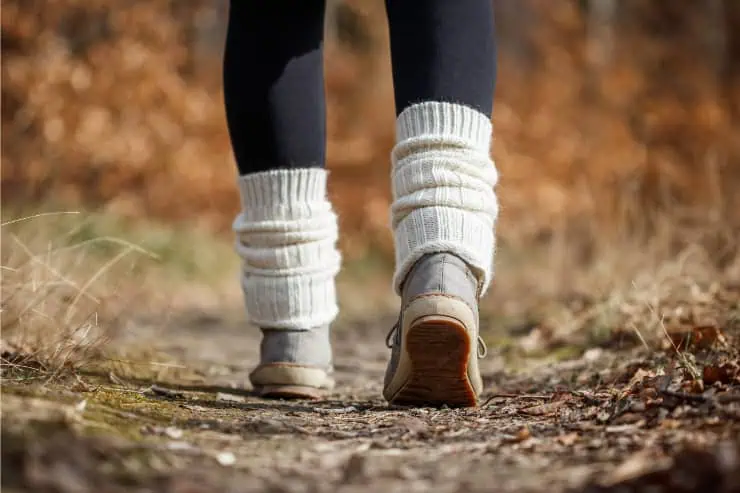
Snow pants or insulated trousers often get overlooked because they’re not worn as frequently. However, insulation breaks down over time, especially if the pants have been compressed in storage or exposed to moisture. Elastic waistbands and cuffs can stretch out, making them less effective at keeping snow and wind out. Tears in the outer shell or worn waterproof coatings allow cold and wetness to seep in. If you find yourself feeling colder in the same conditions or constantly adjusting the fit, it may be time to replace them with a modern pair that offers better protection and mobility.
7. Faux-Fur Parkas

Faux fur trim and linings can look plush when new, but they tend to mat, shed, and develop a rough texture after several seasons. The fabric fibers break down, making the coat look dated or messy. The outer material may also fade, pill, or tear, especially around high-friction areas like pockets or the bottom hem. Hardware failure is also common in older parkas, with zippers sticking or snapping under strain. If your parka looks worn, sheds excessively, or no longer keeps you warm, replacing it can refresh your winter wardrobe and provide better insulation.
8. Old Fleece Jackets

Fleece is warm and versatile, but it breaks down faster than many fabrics. With time, the texture flattens, reducing its insulating ability. Heavy pilling can make fleece look messy and feel rough against the skin. Elastic cuffs and hems may stretch out, causing cold air to sneak in. If your fleece feels thinner, colder, or constantly covered in pills no matter how much you shave them off, it’s likely beyond repair. A fresh fleece layer will provide better warmth, fit more comfortably, and improve the overall appearance of your winter outfits.
9. Wool Skirts or Trousers

Many women keep wool skirts and trousers for years because they seem timeless, but the fabric can weaken significantly over time. Repeated friction causes thinning and eventual holes, especially in areas like inner thighs or seat panels. Lining may rip or detach, making the garment uncomfortable and causing it to hang improperly. Moth damage is another common issue, often hidden until the item is worn. If the fit feels outdated or the fabric shows wear that can’t be repaired, retiring these pieces opens the door for updated and more flattering winter staples.