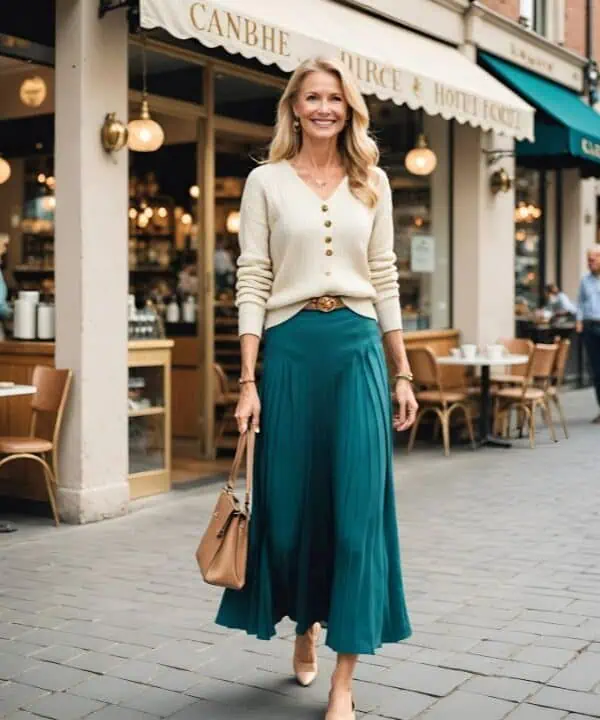
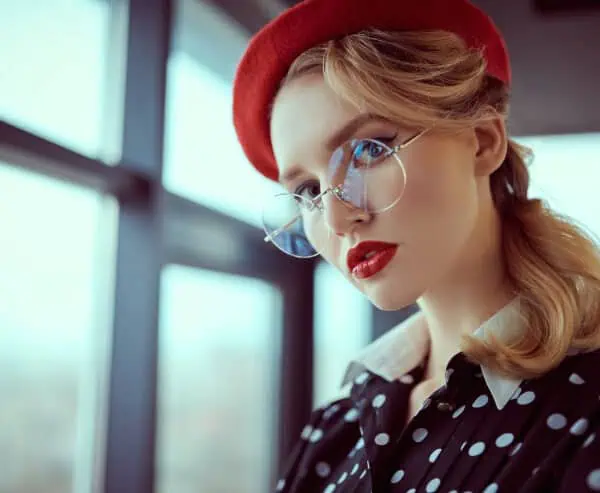
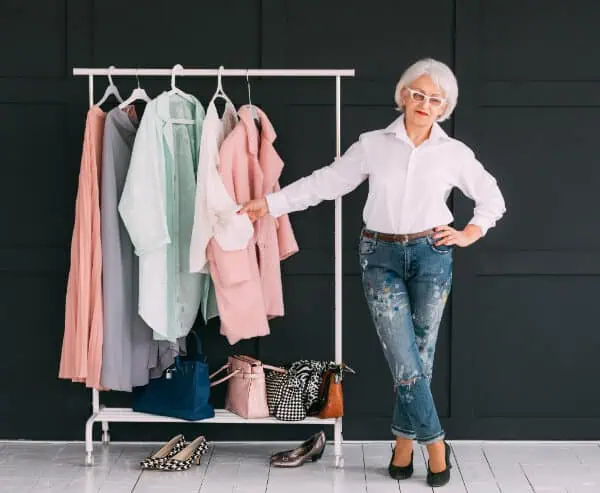
What separates a fashion editor’s outfit from everyone else’s isn’t access to designer clothes it’s how everyday pieces are worn. Editors work with basics constantly: white shirts, black trousers, flat shoes, simple knits. The difference is that nothing is accidental. Every choice is deliberate, even when it looks effortless. Editors understand balance, restraint, and visual hierarchy. They know when to add something and when to stop. Their outfits feel current not because they’re trendy, but because they’re edited. Below are nine ways fashion editors style everyday pieces to look intentional, modern, and quietly elevated habits you can adopt without changing your wardrobe.
Table of Contents
1. They Build the Outfit Around Proportion, Not the Item
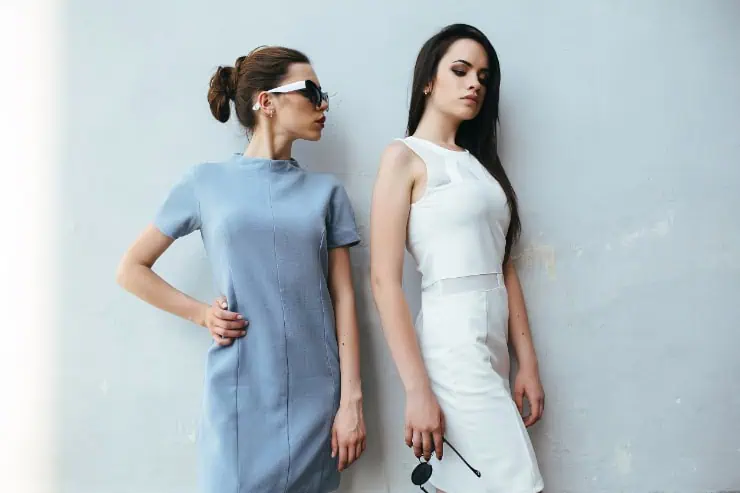
Fashion editors don’t ask, “Is this piece fashionable?” They ask, “What does this piece do to the silhouette?” A basic tee becomes interesting when paired with a longer coat or a higher-rise trouser. Slim pieces are balanced with volume; oversized items are grounded with structure. Editors constantly assess how lengths, widths, and shapes interact. This is why their outfits feel composed even when simple. Proportion creates tension and harmony, which the eye reads as style. When proportions work, the actual pieces matter less.
2. They Keep the Palette Tight
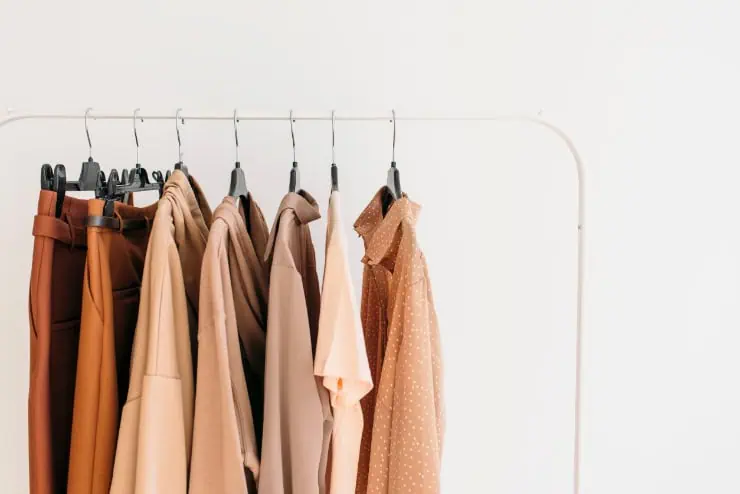
Editors rarely use more than two or three colors in an outfit. This restraint allows everyday pieces to look intentional rather than random. A white shirt, navy trouser, and black shoe feels stronger than a mix of unrelated tones. Limiting color creates cohesion and lets texture and shape stand out. Editors understand that color discipline is what makes basics feel elevated. The fewer colors involved, the more confident the outfit appears.
3. They Use One “Interrupting” Element
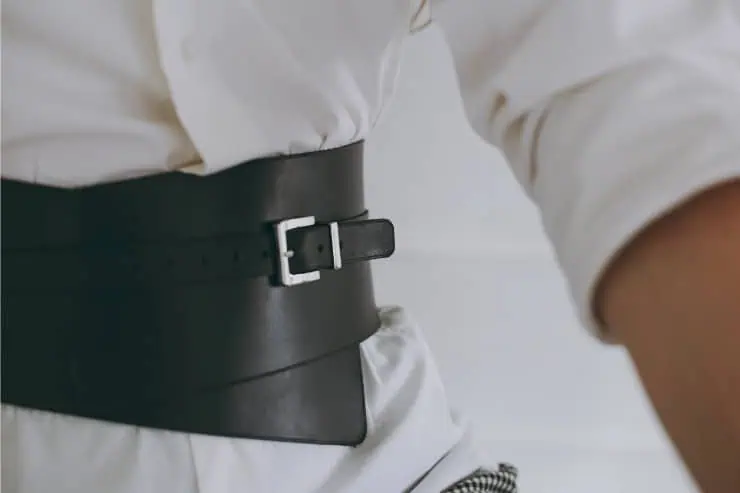
Everyday outfits become editorial when there’s one element that slightly disrupts the expected look. This could be a sharp shoe with casual clothes, a masculine belt with a feminine silhouette, or an oversized bag with clean tailoring. Editors use this interruption sparingly never more than one focal point. This single contrast keeps the outfit from feeling predictable while maintaining restraint. Too many statements dilute the effect.
4. They Prioritize Fit Over Newness
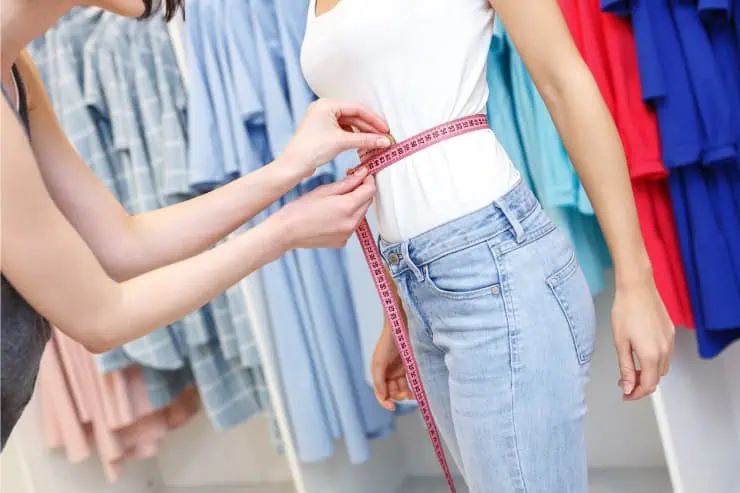
Editors will rewear the same pieces for years if the fit is right. A perfectly fitting trouser or jacket always looks more current than something new but ill-fitting. Sleeves hit exactly where they should. Waistlines sit intentionally. Hems are adjusted. Fit communicates care and confidence, which is why editors invest time tailoring basics rather than chasing trends. When clothes fit well, they disappear and the wearer stands out.
5. They Treat Shoes as a Styling Tool
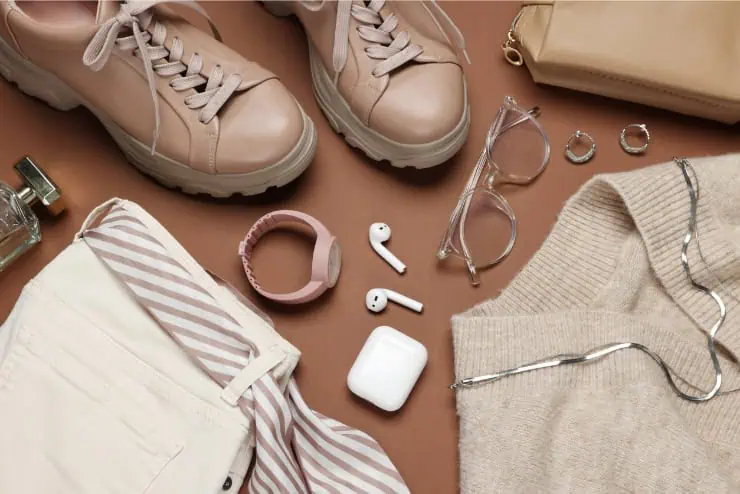
Shoes aren’t an afterthought; they’re a strategic decision. Editors know footwear sets the tone of the entire outfit. The same jeans and sweater look completely different with loafers versus boots versus sleek sneakers. Editors often use shoes to sharpen an otherwise casual look or relax something tailored. Because shoes affect posture and movement, they also change how the outfit reads in motion. This awareness makes everyday outfits feel styled rather than assembled.
6. They Repeat Elements for Cohesion
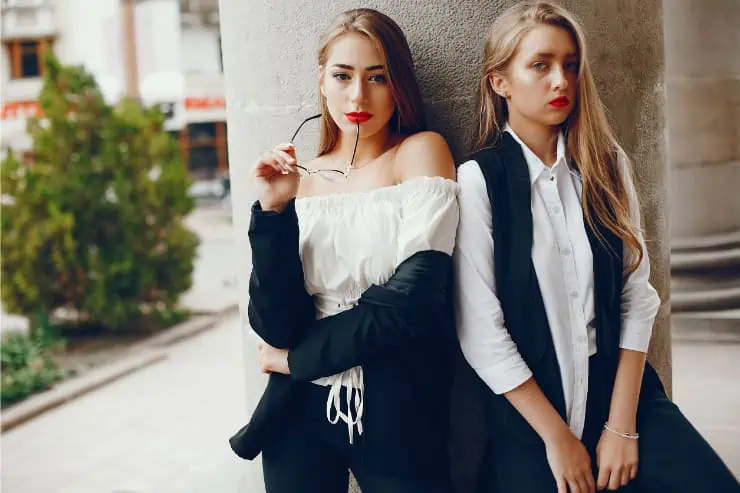
Editors repeat details to create visual flow. If the outfit includes gold jewelry, the bag hardware will echo it. If the silhouette is clean and minimal, accessories will follow suit. This repetition is subtle but powerful. It creates a sense of completeness that’s hard to articulate but easy to see. Everyday pieces look elevated when nothing feels random.
7. They Avoid Obvious Trends
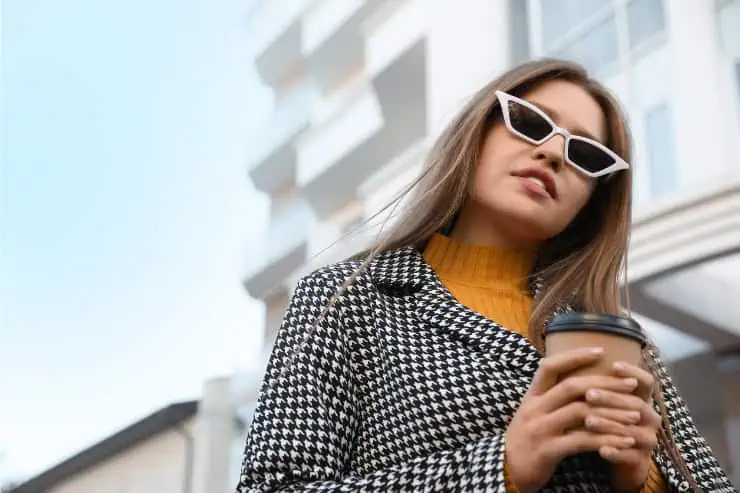
Editors may cover trends, but they rarely wear them head to toe. Instead, they integrate trends quietly or skip them entirely. This keeps their everyday outfits from looking dated six months later. Editors rely on classic shapes and neutral colors, updating proportions slightly rather than replacing their wardrobes. This restraint is what gives their style longevity and authority.
8. They Finish the Outfit Always
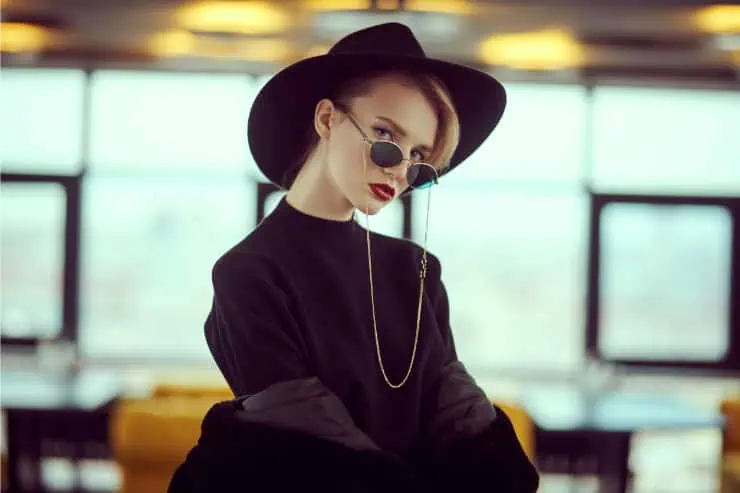
No outfit is complete until grooming, accessories, and details are considered. Editors check hems, steam wrinkles, polish shoes, and adjust layers. This finishing step is what separates style from clothes. Even the simplest outfit looks intentional when it’s finished. Unfinished outfits, no matter how expensive, read as careless.
9. They Wear the Outfit with Ease
Perhaps the most important editorial trick is confidence. Editors choose clothes they can move in, sit in, and forget about. There’s no constant adjusting or self consciousness. When clothes support the wearer instead of competing with them, the outfit looks natural. Ease is what ultimately makes everyday pieces look editorial. Style isn’t loud it’s assured.