Sweaters are a winter staple, offering comfort, warmth, and effortless style. But not all knits flatter the body equally some add bulk, hide your shape, or throw off your proportions entirely. For women over 50, it’s especially important to choose cuts and fabrics that complement rather than overwhelm. The goal is to stay cozy while maintaining structure and style. These nine common sweater mistakes can make you look heavier than you are, but with a few smart tweaks, you can turn your cold-weather wardrobe into a collection that’s both flattering and beautifully put-together.
Table of Contents
1. Choosing Bulky, Oversized Knits
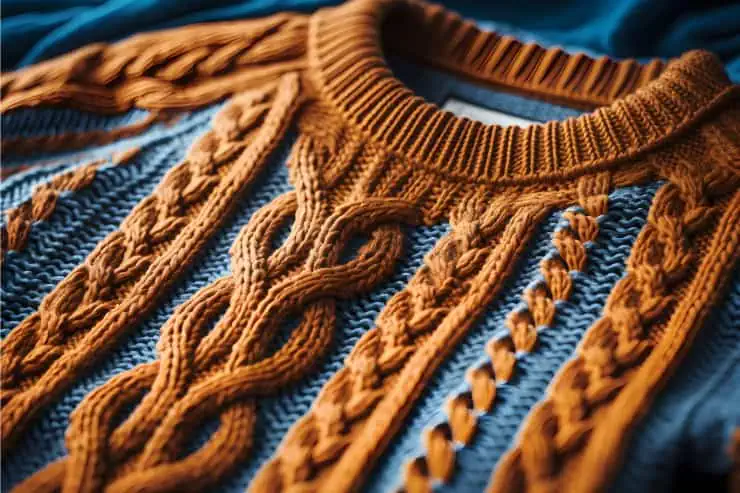
While oversized sweaters are trendy, too much volume can swallow your frame and add unnecessary bulk. Thick cable knits, especially in heavy wool, often make the torso appear wider. Instead, opt for medium-weight knits with subtle texture or ribbing that follow the body’s natural line. Look for structure in the shoulders and a hem that hits mid-hip for a slimming effect. If you love a cozy oversized fit, balance it with slim bottoms like straight-leg pants or jeans to keep proportions in check. Comfort doesn’t have to come at the expense of shape and polish.
2. Ignoring Neckline Proportion

The wrong neckline can completely change your silhouette. High crew necks or turtlenecks with thick fabric can shorten the neck and make the upper body appear fuller. For a more elongating look, choose V-necks, scoop necks, or soft cowl styles that create vertical lines and draw attention upward. These shapes open up the neckline, flattering both the face and the figure. A simple switch in neckline can instantly refine your look, making your sweater appear intentional and sleek rather than bulky or overwhelming. Always balance warmth with flattering proportions.
3. Wearing Boxy Cuts Without Definition
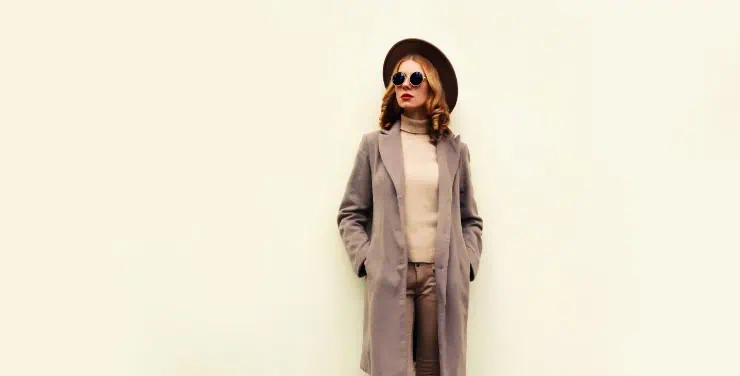
Boxy sweaters without shape can add width instead of style. The lack of waist definition often hides your natural curves and makes the body appear square. To avoid this, try tucking in just the front portion of your sweater (a “French tuck”) or layering with a belt to reintroduce structure. Sweaters with slight tailoring or curved hems also help define the body’s natural silhouette. The goal isn’t to wear tight clothing but to show intentional shape. Even a small adjustment in how your sweater fits can dramatically change your overall balance.
4. Picking the Wrong Length
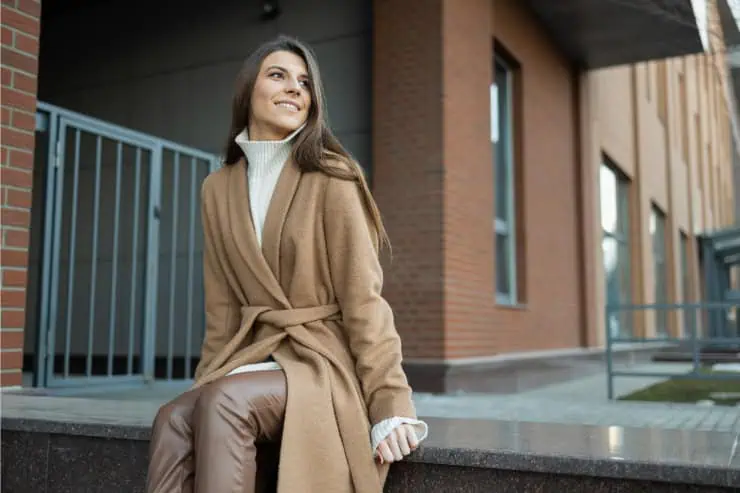
Length plays a crucial role in how flattering a sweater appears. Too short, and it can cut the torso awkwardly; too long, and it risks making the legs look shorter. For most body types, sweaters that hit mid-hip or slightly below create the most balanced look. Longline cardigans work beautifully when layered over slim pants, but chunky tunics can overwhelm. When in doubt, test your proportions in the mirror where the sweater hem lands can either elongate or compress your frame. The right length instantly refines your silhouette.
5. Overly Chunky Turtlenecks
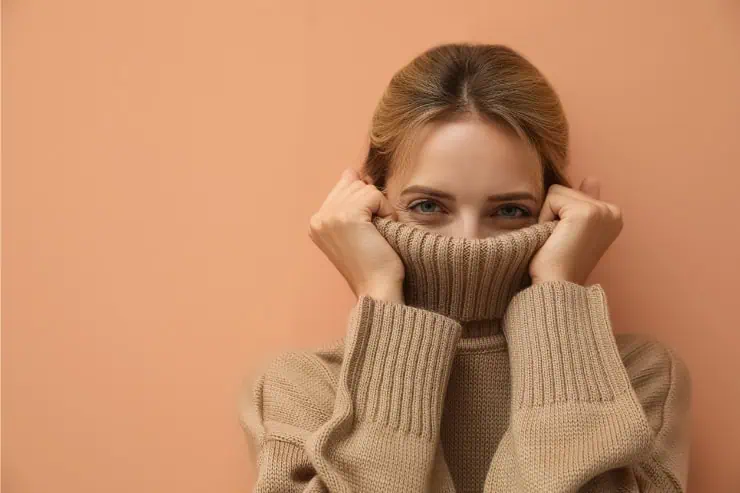
While cozy, chunky turtlenecks can visually add volume around the face and shoulders, making the upper body appear heavier. Opt for lighter fabrics or mock-neck styles that still provide warmth without excess bulk. Pairing them with statement earrings or structured outerwear can help create balance. If you prefer the traditional turtleneck look, try one in a finer knit that lies closer to the skin. This keeps the neckline sleek and elegant, allowing your outfit to feel sophisticated instead of suffocating. Texture matters a smooth finish is far more flattering.
6. Neglecting Fabric Weight and Drape

Not all knits are created equal. Heavy, stiff sweaters tend to hold extra bulk, while lightweight, draped fabrics flatter the natural curves of the body. Look for materials like merino wool, cashmere blends, or fine cotton knits they skim rather than cling. Avoid overly stretchy fabrics, which can emphasize areas you’d rather not highlight. The ideal sweater feels soft but structured, offering comfort without distortion. A graceful drape helps you look streamlined and elevated while still embracing warmth a key factor in cold-weather dressing that doesn’t sacrifice style.
7. Wearing Busy Patterns Across the Midsection
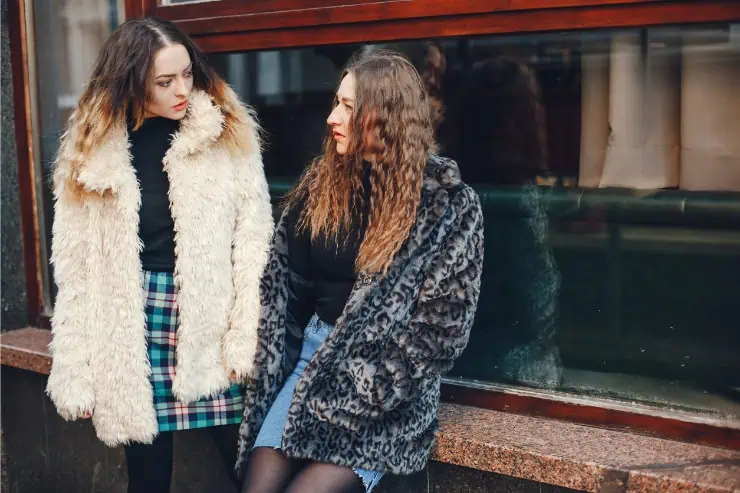
Horizontal stripes, large plaids, or heavy cable details can draw attention to the midsection and make the torso appear wider. Instead, choose vertical ribbing, diagonal weaves, or solid colors that lengthen the body visually. If you love pattern, keep it in strategic areas like sleeves or the neckline while maintaining a clean silhouette through the middle. Monochromatic outfits with subtle texture variation can also create the illusion of height and slimness. Remember: placement matters more than print itself. Thoughtful pattern use can add interest without adding volume.
8. Ignoring Layering Balance
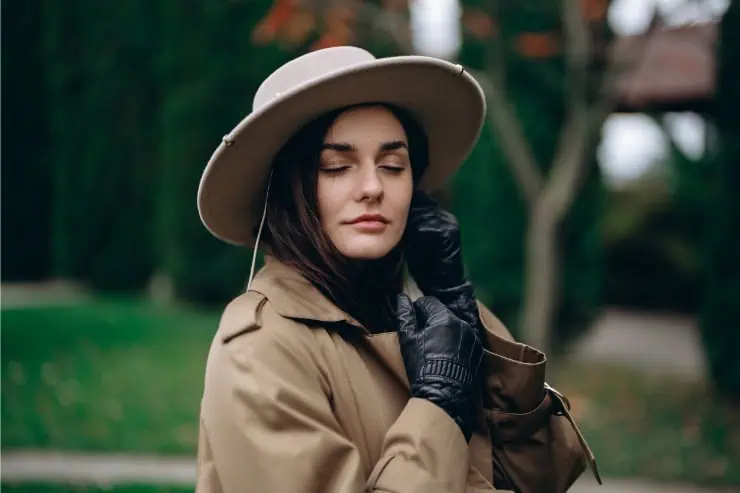
Layering can enhance a look or weigh it down. Thick sweaters layered under bulky coats often create unwanted bulk around the arms and torso. To maintain balance, choose thinner knits as your base and layer with structured outerwear or lightweight vests. Play with textures rather than thickness. For example, a fine cashmere turtleneck under a tailored blazer looks sleeker than a heavy wool under a puffer. Strategic layering keeps your shape visible while providing warmth and sophistication proof that function and fashion can beautifully coexist in winter.
9. Forgetting About Fit Maintenance
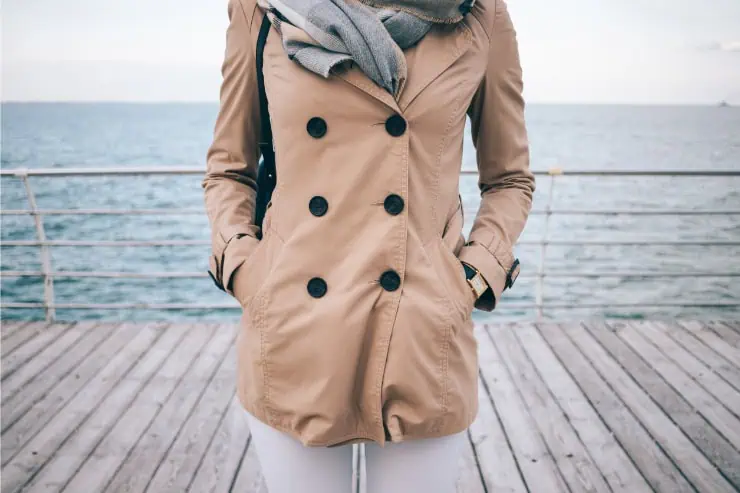
Even the best sweaters lose shape over time if not cared for properly. When knits stretch out, they hang awkwardly, creating a shapeless, bulky appearance. Always store sweaters folded rather than hung, and wash them gently to maintain elasticity. Regularly check hems, cuffs, and shoulder seams for sagging. A well-fitted sweater instantly looks more flattering than one that’s worn out or misshapen. Good fit is the difference between “comfortable” and “sloppy.” Taking a little care ensures your sweaters keep their flattering structure season after season.