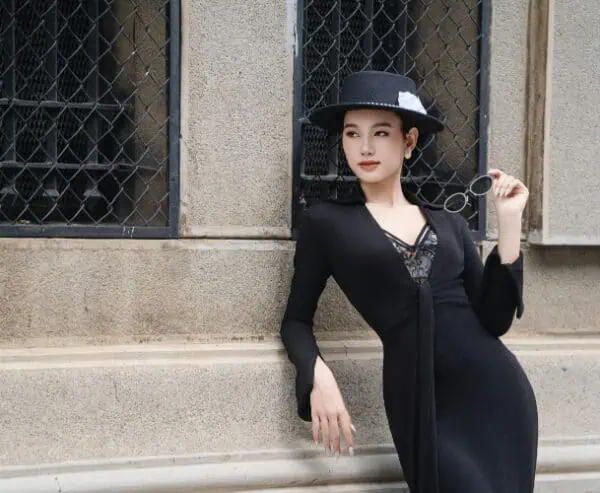
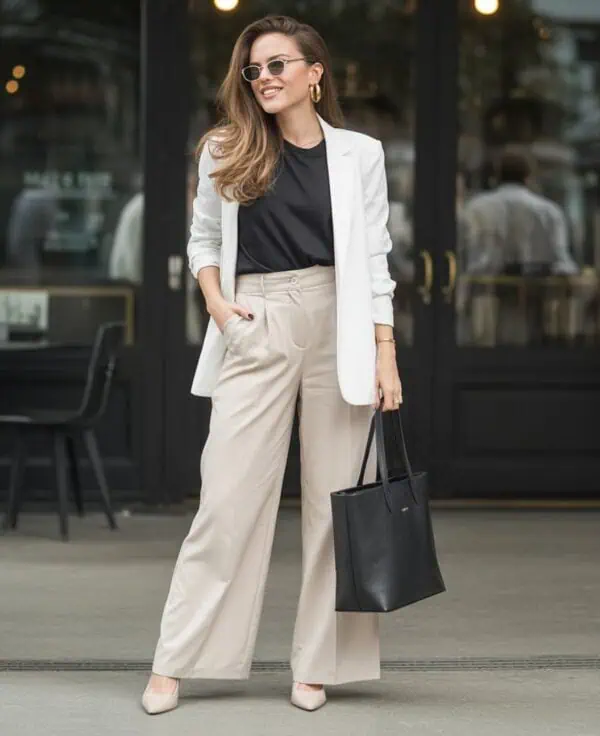
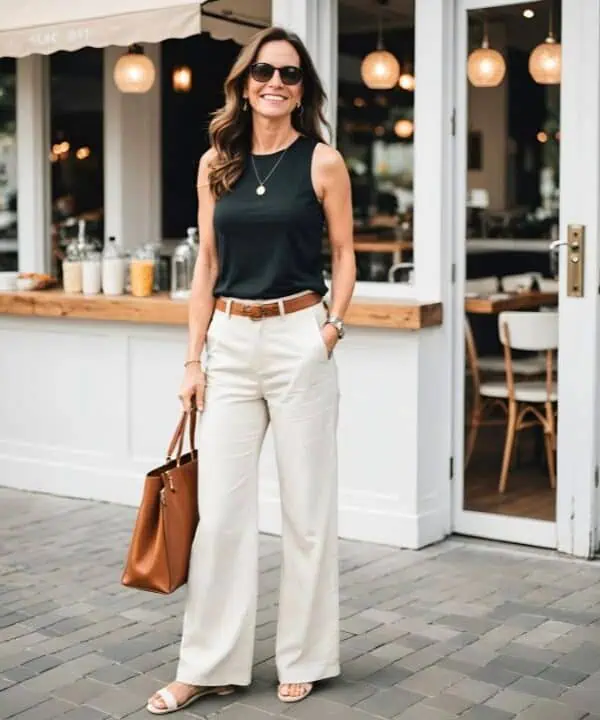
Japanese minimalism is known around the world for its calm, intentional approach to dressing. Instead of overflowing closets or trend-chasing purchases, Japanese minimalist style focuses on quality, versatility, and quiet elegance. Every piece serves a purpose, every outfit feels serene, and nothing is added without meaning. For women seeking a wardrobe that feels organized, peaceful, and effortlessly stylish, this philosophy is transformative. Below are nine capsule wardrobe tips inspired by Japanese minimalists practical ideas that help refine your closet, reduce decision fatigue, and elevate your everyday aesthetic with calm, timeless simplicity.
Table of Contents
1. Build Around a Small, Neutral Color Palette
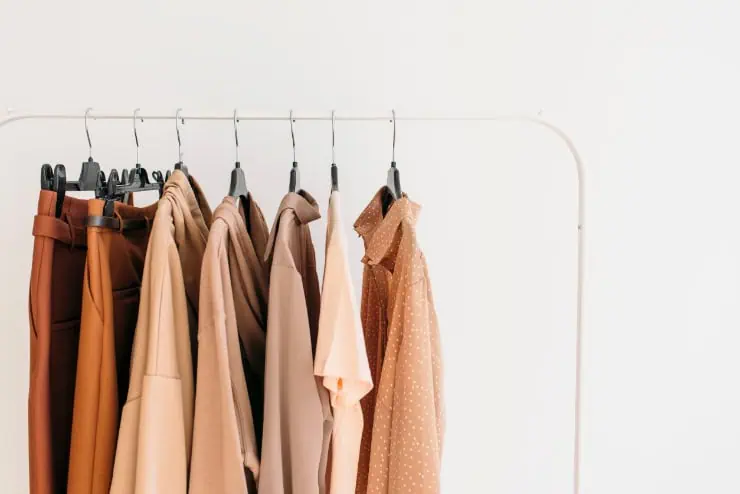
Japanese minimalism begins with color simplicity. Instead of an overflowing mix of brights, patterns, and seasonal trends, the wardrobe centers on a core palette of neutrals white, cream, black, navy, gray, and beige. These shades create harmony, allow effortless mixing and matching, and reduce visual “noise” in the closet. A limited color palette also makes outfits feel instantly cohesive and polished. You can still incorporate accent colors, but only those that truly resonate with you. The idea is to remove chaos and keep tones that soothe, flatter, and work seamlessly together.
2. Focus on Quality Fabrics Over Quantity

A key principle in Japanese minimalist wardrobes is prioritizing fabrics that feel good, last long, and move beautifully. Instead of synthetic-heavy fast fashion, the focus is on natural or high-quality materials such as cotton, linen, wool, cashmere, and bamboo. These fabrics breathe better, age gracefully, and look more refined, even in simple silhouettes. This approach encourages owning fewer items but choosing them thoughtfully pieces that maintain structure, resist pilling, and feel luxurious against the skin.
3. Choose Fewer but More Versatile Silhouettes

Japanese minimalist wardrobes rely on silhouettes that are comfortable, modest, and effortlessly chic. The shapes are usually clean, relaxed, and slightly architectural never overly tight or overly trendy. Wide-leg trousers, simple shift dresses, A-line skirts, soft blouses, and structured coats form the foundation. These silhouettes offer freedom of movement and flatter a wide range of body types. The magic lies in how they work together with minimal fuss.
4. Build Outfits Through Layering, Not Excess
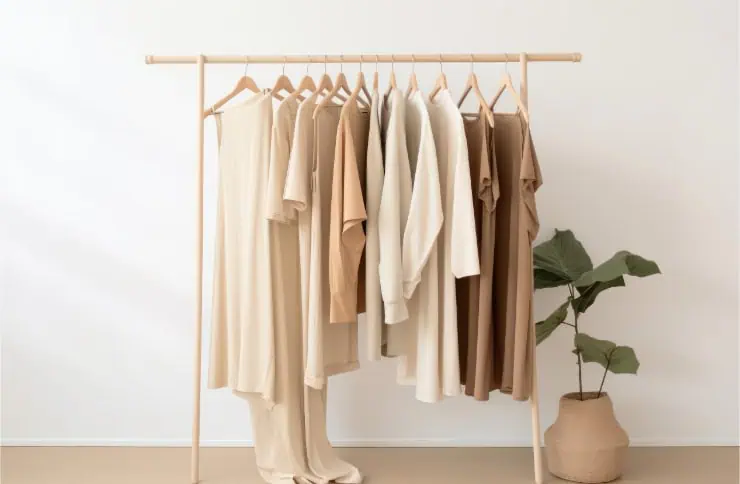
Layering is essential in Japanese minimalist dressing not as a way to add bulk, but to create dimension through thoughtful combinations. Think thin turtlenecks under dresses, long cardigans over column silhouettes, and lightweight coats over monochrome sets. The key is choosing layers that harmonize rather than overwhelm. Seamless layering allows you to create multiple looks with fewer pieces and adapt to changing temperatures effortlessly. It’s a slow, intentional form of styling where depth comes from texture, tone, and shape rather than accessories or embellishment.
5. Invest in Timeless Outerwear as Your Statement Piece

In Japan, the coat often plays a starring role in the outfit. Instead of relying on bold accessories or trendy elements, a well-crafted coat becomes the main point of interest. Minimalist staples include structured wool coats, collarless jackets, trench coats, and kimono-inspired outer layers. These pieces elevate even basic outfits and create a refined, serene silhouette. Because outerwear is one of the most visible parts of your wardrobe, Japanese minimalists choose coats with impeccable tailoring and longevity in mind.
6. Prioritize Comfort Without Sacrificing Elegance

Japanese minimalist fashion excels at blending comfort and refinement. Clothing isn’t meant to constrict or complicate movement; it’s a tool for living well. That means soft, breathable fabrics, relaxed fits, elastic waists that still look polished, and low-heeled or flat shoes that support your stride. But comfort doesn’t mean sloppy. Each piece is thoughtfully cut so the wearer looks neat, streamlined, and poised. This philosophy empowers women of all ages to dress in a way that feels good on the body while maintaining an elevated aesthetic a combination that naturally creates long-term wardrobe satisfaction.
7. Keep Accessories Minimal and Meaningful
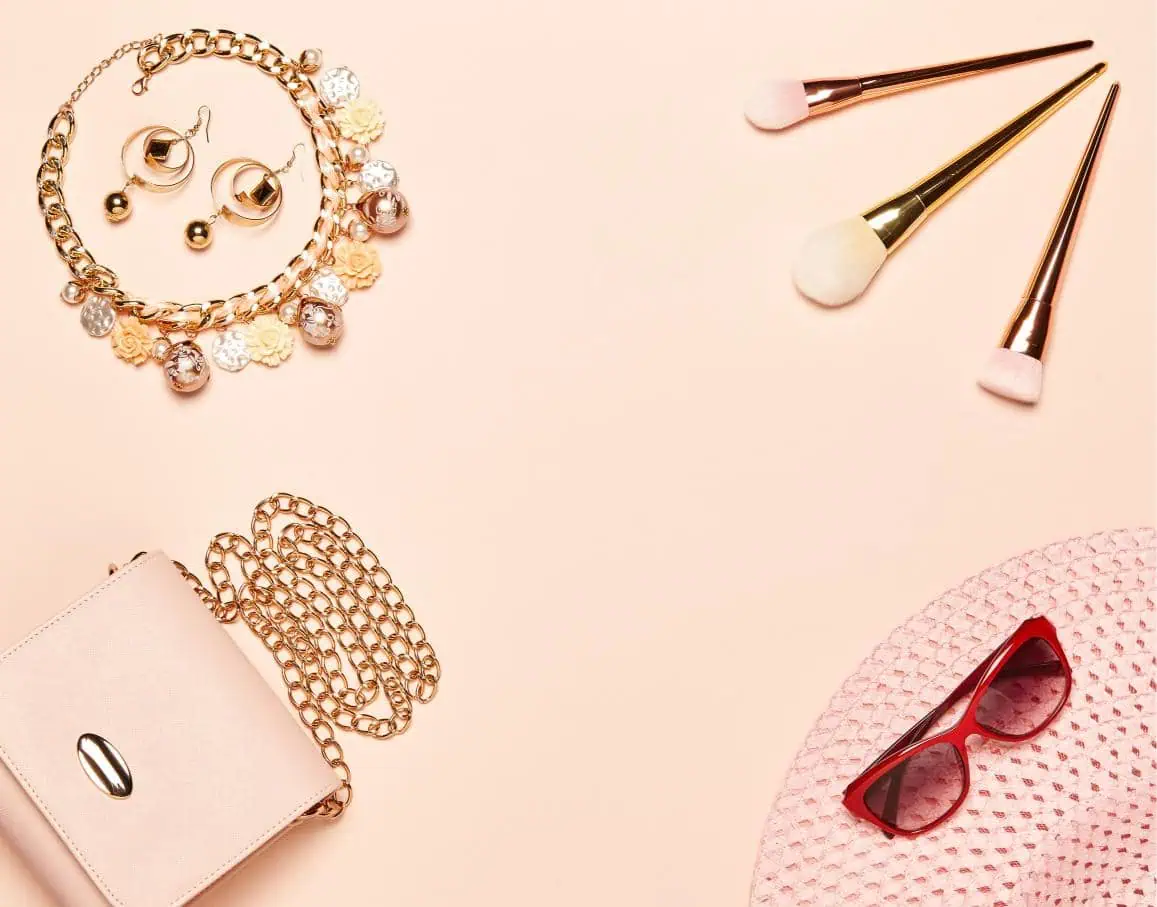
Accessories in Japanese minimalist styling are chosen intentionally, not added reflexively. Rather than stacking lots of jewelry or carrying multiple bold bags, the approach favors one or two subtle, well-designed pieces. A simple leather tote, a delicate necklace, or a sculptural pair of earrings can complete an outfit without overwhelming it. Japanese minimalists believe that too many accessories create visual noise, reducing the calm elegance of the overall look.
8. Maintain a “One In, One Out” Mindset
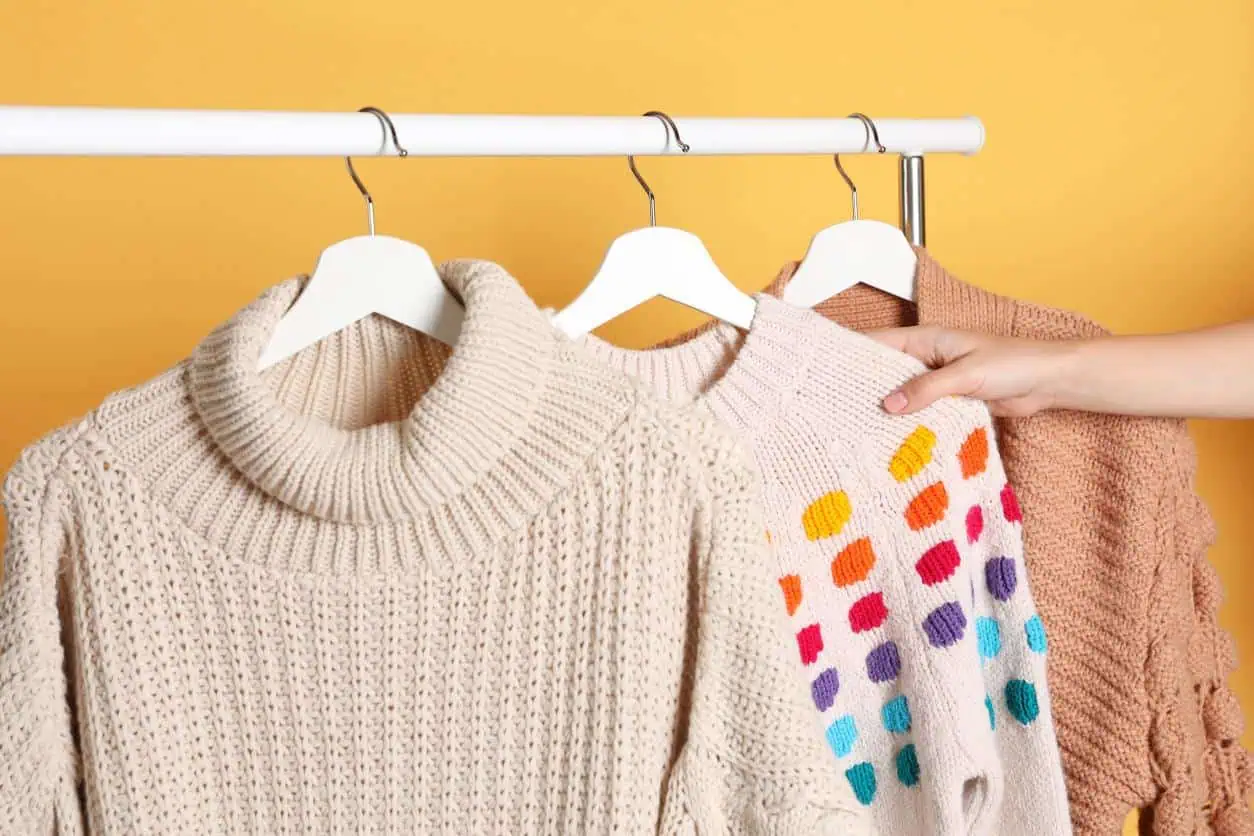
To keep the wardrobe manageable and intentional, many Japanese minimalists follow the rule of letting one item go whenever a new one comes in. This prevents overcrowding, encourages thoughtful purchasing, and ensures that every piece has a purpose. Instead of buying impulsively, items are chosen with longevity and versatility in mind. Maintaining this practice keeps closets clean, curated, and easy to navigate. It also ensures you regularly evaluate what truly serves you, ultimately creating a wardrobe that feels light, functional, and aligned with your lifestyle.
9. Embrace Empty Space as Part of Your Closet

Perhaps the most underrated Japanese minimalist tip is valuing empty space. Western wardrobes often equate fullness with abundance, but in Japanese philosophy, space itself brings clarity and calm. A closet with room to breathe allows you to see what you own, appreciate quality pieces, and make styling decisions without stress. Empty shelves or open sections of the closet are not signs of lack they’re signs of intention.