Becoming “invisible” isn’t about age it’s about how habits slowly replace intention. Stylists say many women over 60 don’t lose presence; they gradually soften it through choices meant to feel safe, appropriate, or unnoticed. Over time, these decisions can reduce contrast, confidence, and self-expression. Invisibility often comes from prioritizing comfort over clarity, blending in over standing confidently in place. Style, posture, voice, and self-presentation all play a role.
Table of Contents
1. Defaulting to Neutral on Neutral Outfits Every Day
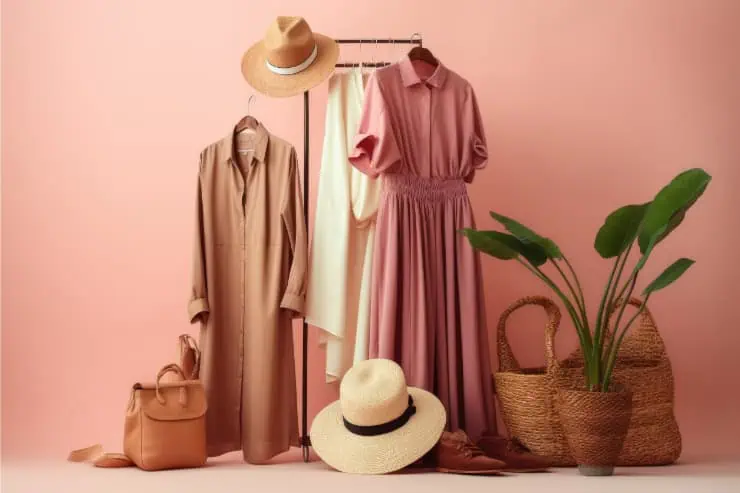
Neutrals are powerful, but when worn exclusively and without contrast, they can visually erase presence. Stylists often see women over 60 relying heavily on beige, taupe, gray, and soft navy especially in winter. These colors feel safe, but when layered head to toe without texture or variation, they blend into the background. Over time, this creates a muted silhouette that doesn’t draw the eye. Visibility comes from balance, not boldness. Even small changes richer tones, lighter layers near the face, or texture variation can restore dimension. It’s not about colorfulness; it’s about intentional contrast.
2. Wearing Clothes That Are Too Loose “Just to Be Comfortable”
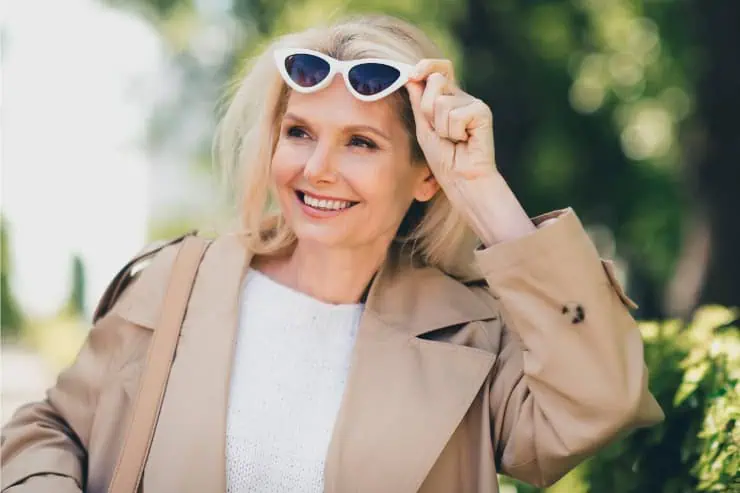
Comfort matters, but excess volume without structure often hides the body completely. Stylists say overly loose clothing can unintentionally signal retreat rather than ease. When garments lack shape, they remove visual confidence and make the wearer fade into the environment. Modern comfort is about balance soft fabrics with clean lines, relaxed fits with some structure. Clothes that skim the body allow presence without exposure. When everything is oversized by default, outfits stop communicating intention. Comfort doesn’t require disappearing.
3. Letting Hair Become Pure Maintenance Instead of Expression

Hair frames the face more than any accessory, yet many women over 60 treat it as something to manage rather than style. Stylists notice that when hair is always pulled back, under styled, or unchanged for decades, it quietly removes individuality. This isn’t about trends or length it’s about intention. Hair that feels considered, even simply, restores visibility. A soft part, gentle movement, or updated shape can dramatically change presence. When hair is treated as an afterthought, the face loses emphasis.
4. Choosing Shoes That Signal Retreat From Style
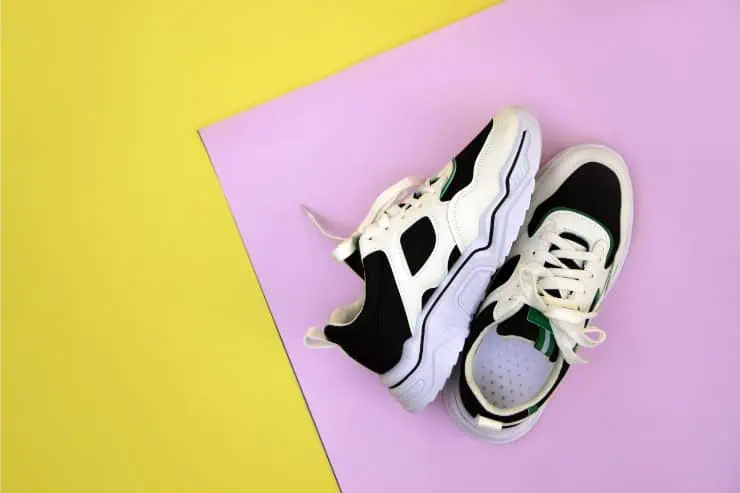
Footwear plays a bigger role in presence than most women realize. Stylists often identify shoes as the point where outfits lose energy. Overly practical, outdated, or visibly worn shoes can undermine otherwise polished clothing. When shoes look apologetic, the whole outfit does too. Modern comfort shoes exist but choosing styles that align with current proportions matters. Shoes ground an outfit. When they look intentional, they communicate confidence. When they look resigned, they quietly pull attention away.
5. Avoiding Any Standout Detail Out of Fear of “Trying Too Hard”
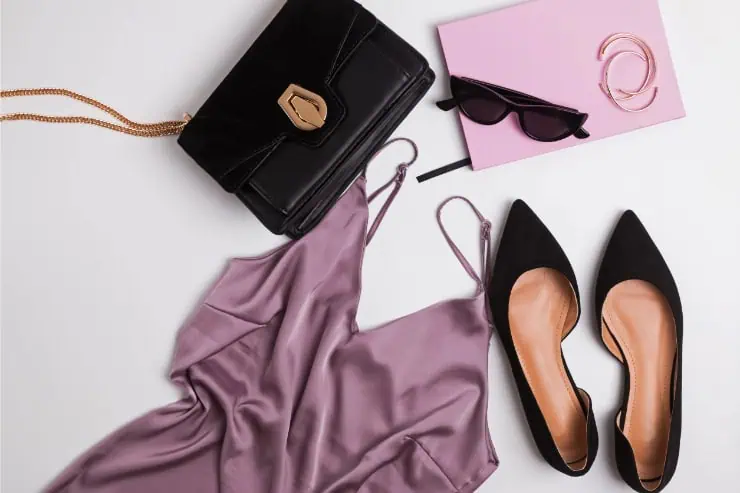
Many women over 60 intentionally avoid anything noticeable interesting jewelry, unique silhouettes, textured fabrics because they don’t want to draw attention. Stylists say this fear often leads to invisibility. Presence doesn’t require drama; it requires one point of interest. A beautiful scarf, striking shoe, or textured jacket gives the eye somewhere to land. Without any focal point, outfits fade. Standing out slightly doesn’t mean standing out awkwardly it means allowing personality to show.
6. Dressing for “Appropriateness” Instead of Alignment
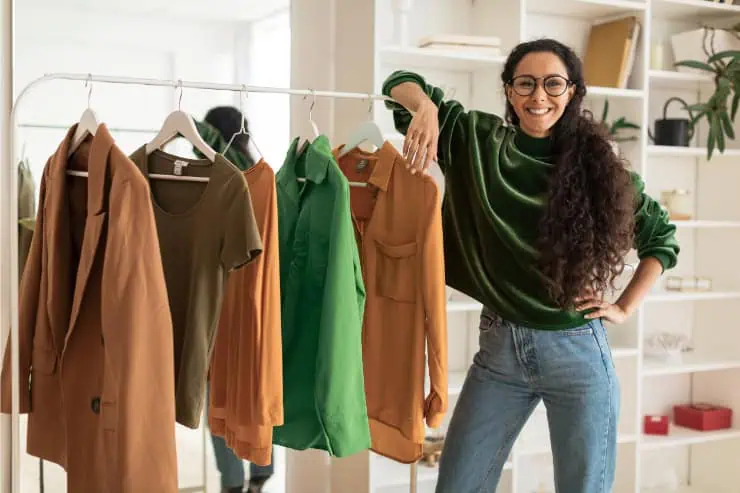
Outfits chosen purely to meet perceived expectations age appropriate, conservative, safe often lack authenticity. Stylists say this mindset prioritizes invisibility over confidence. When clothing doesn’t align with personality, lifestyle, or mood, it feels disconnected. Modern style values alignment more than rules. Dressing for yourself not for judgment creates presence naturally. Clothes that reflect who you are now communicate confidence without effort. Appropriateness doesn’t equal invisibility, but fear-driven dressing often does.
7. Using Makeup and Color That Softens Features Too Much
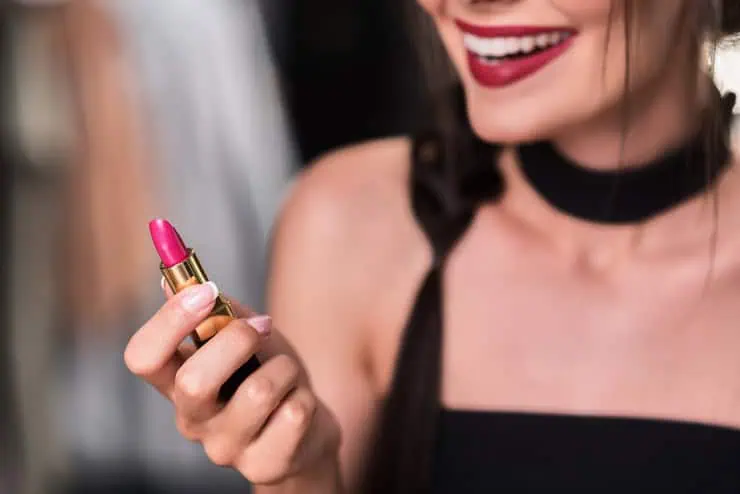
Softening everything muted lipstick, pale blush, low contrast colors can unintentionally erase definition. Stylists note that mature skin benefits from contrast, not camouflage. When makeup and clothing colors are too close to skin tone, features fade. This doesn’t require bold makeup just intentional color placement. A defined lip, brighter scarf, or deeper neckline color restores vitality. Visibility comes from light and contrast, not intensity.
8. Shrinking Presence in Body Language and Voice
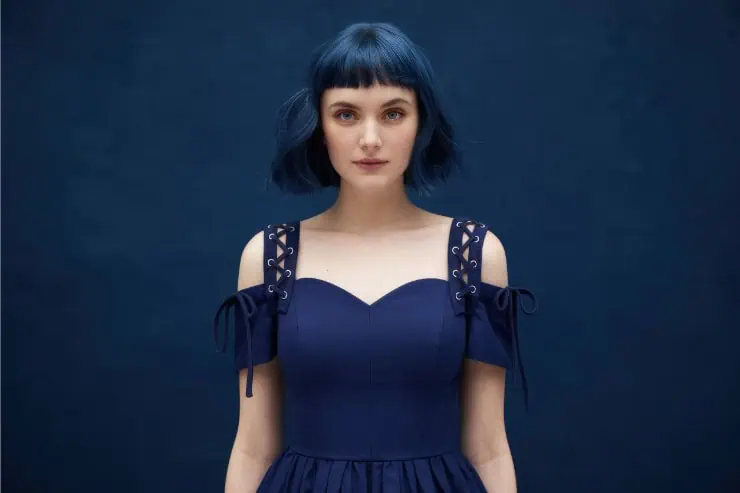
Invisibility isn’t just visual it’s physical. Stylists and image consultants consistently mention posture, movement, and energy. Over time, some women unconsciously take up less space hunched shoulders, quieter voices, hesitant gestures. Clothing can reinforce this shrinking effect when it’s designed to disappear. Standing tall, moving confidently, and wearing clothes that support posture changes everything. Presence is embodied. When body language expands, style follows.