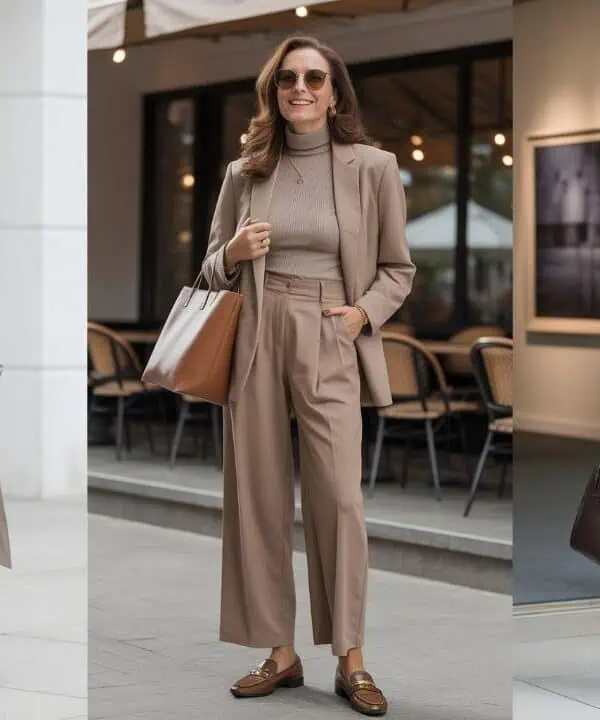
Italian women over 60 approach style very differently than their American counterparts. While American fashion culture often encourages subtlety, blending in, and age-based restraint, Italian style values presence, self-assurance, and visual expression at every stage of life. What is often labeled “too bold” by American standards is, in Italy, considered normal, elegant, and deeply practical. Italian women don’t dress to disappear or apologize for aging. They dress to participate in life. Their choices aren’t about chasing trends or appearing youthful, but about maintaining identity and pleasure in presentation.
Table of Contents
1) Wearing Statement Colors Without Softening Them

Italian women over 60 wear color with confidence, not caution. Deep reds, emerald greens, cobalt blues, and rich purples are worn close to the face without apology. In American culture, mature women are often encouraged to “soften” color choices or stick to muted palettes. Italians see strong color as energizing and emotionally expressive. Color is used to enhance mood, not hide age. Rather than fearing attention, Italian women understand that color brings warmth and vitality to the face. What Americans may see as too bold is, in reality, an understanding of how color supports presence and individuality.
2) Dressing With a Clearly Defined Waist or Shape
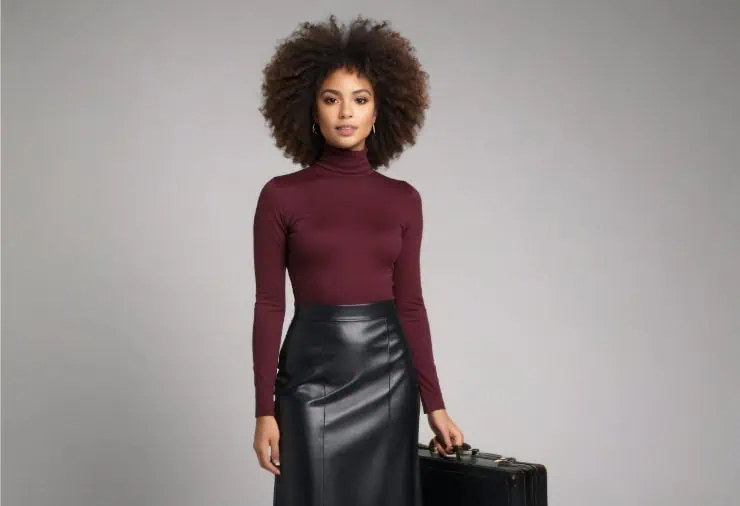
Italian women rarely default to shapeless clothing simply because of age. They understand proportion and often choose garments that acknowledge the waist or create structure, even if the fit is relaxed. Americans often equate comfort with looseness and coverage, assuming structure is unforgiving. Italians prioritize balance instead. A softly defined waist, tailored jacket, or belted coat is seen as elegant rather than risky. This approach keeps the silhouette intentional. What feels bold to Americans is simply an Italian refusal to surrender shape in the name of modesty.
3) Wearing Heels or Elevated Shoes During the Day
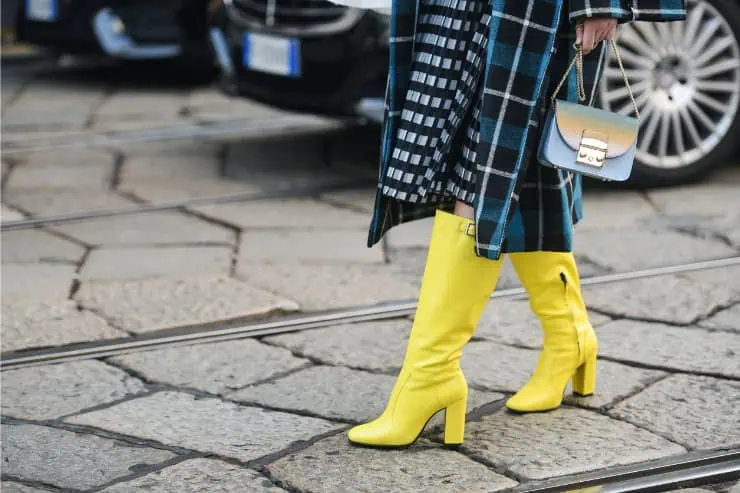
While comfort matters, Italian women don’t reserve polished footwear for special occasions. Low heels, platforms, refined boots, and elegant loafers are worn daily, even for errands or casual outings. Americans often see this as unnecessary or impractical. Italians see it as self-respect. Footwear completes an outfit and affects posture, movement, and confidence. Shoes are chosen carefully and maintained well. The boldness Americans perceive is actually consistency. Italians believe everyday life deserves the same care as formal moments.
4) Prioritizing Grooming Even for Casual Outings

Italian women rarely leave the house without feeling put together, even for informal activities. Hair is brushed, skin is cared for, and clothing is intentional. This isn’t about perfection or vanity, but about readiness. Americans sometimes interpret this as trying too hard. Italians view it as basic courtesy to oneself and others. Grooming is seen as a daily habit, not a performance. This commitment creates effortless polish. What Americans call bold is simply a cultural expectation of presence and self-awareness.
5) Wearing Statement Accessories Without Balancing Them Down

Italian women over 60 often wear bold sunglasses, large scarves, dramatic jewelry, or structured bags without neutralizing the rest of the outfit. In American fashion advice, statement pieces are often paired with minimal clothing to “balance” the look. Italians trust their instincts and wear what they love fully. Accessories are part of storytelling, not decoration. They add personality and emotion. Americans may see this as too much, but Italians see it as expressive and confident. There is no fear of visual interest.
6) Showing Confidence in the Body They Have Now

Italian women don’t wait for a “better” body to enjoy style. Sleeveless tops, tailored pants, fitted knits, and elegant dresses are worn regardless of age. Americans often associate confidence with youth or fitness milestones. Italians associate confidence with self-acceptance. This doesn’t mean dressing provocatively, but dressing honestly. The body is treated as a living presence, not a problem to solve. What feels bold to Americans is simply comfort with reality.
7) Dressing for Emotion, Not Approval

Italian women dress according to mood, destination, and personal pleasure rather than external validation. Outfits are chosen to feel expressive, sensual, or grounded depending on the day. Americans are often taught to dress for appropriateness or approval. Italians prioritize emotional resonance. Clothing is a tool for connection to self. This emotional approach can appear bold because it resists conformity. Italians are less concerned with standing out and more concerned with feeling aligned.
8) Remaining Visibly Stylish Without Apologizing for Age

Perhaps the boldest habit of all is the refusal to disappear. Italian women over 60 remain visibly stylish, engaged, and present in public spaces. They don’t downplay their appearance to seem modest or age-appropriate. Style is not something they retire from. Americans sometimes interpret this as trying to look younger. Italians see it as continuing to live fully. Style is part of identity, not youth. This unapologetic visibility is often mistaken for boldness, when it is actually confidence.