A blazer is one of the most powerful wardrobe pieces a woman over 60 can own but only when it’s styled correctly. When done right, a blazer sharpens your silhouette, adds authority, and instantly makes an outfit look intentional. When styled poorly, however, it can feel stiff, outdated, or even frumpy. As a stylist, I often see women blame the blazer itself when the real issue is how it’s being worn. These eight common styling mistakes quietly undermine the blazer’s power. Once you avoid them, this classic piece becomes one of the most flattering, modern tools in your wardrobe.
Table of Contents
1. Choosing an Overly Boxy or Long Cut

One of the most common mistakes after 60 is wearing blazers that are too boxy or too long. While oversized styles are trendy, excessive volume can overwhelm your frame and hide your natural shape. Longline blazers that hit mid-thigh or lower often drag the body down visually, making outfits feel heavy and dated. A blazer should skim the body not swallow it. Slight waist shaping, clean shoulders, and a length that hits around the hip or upper thigh create balance and structure. The right cut restores the blazer’s ability to define and empower your silhouette.
2. Wearing Thick, Stiff, or Outdated Fabrics

Fabric choice plays a huge role in whether a blazer looks modern or dated. Heavy, stiff materials or shiny synthetics can make a blazer feel old-fashioned and uncomfortable. After 60, softer tailoring fabrics like crepe, lightweight wool blends, ponte, or fluid tweed are far more flattering. These fabrics move with the body and drape smoothly instead of sitting rigidly. A modern blazer should feel easy, not restrictive. When the fabric has fluidity and structure in the right balance, the blazer regains its elegance and versatility.
3. Pairing It With the Wrong Bottoms
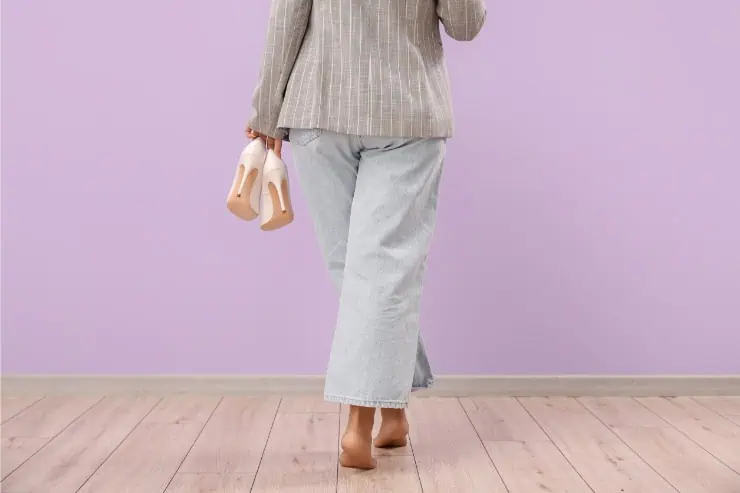
Even the most beautiful blazer loses impact when paired with the wrong bottoms. Ultra-skinny jeans, dated straight-leg trousers, or overly loose pants can disrupt proportions. The blazer works best when balanced with tailored trousers, modern straight leg jeans, midi skirts, or refined wide leg pants. After 60, proportion matters more than trend. The goal is harmony between the top and bottom halves of your outfit. When the blazer and bottoms speak the same style language, the entire look feels confident and current.
4. Leaving It Buttoned All the Time
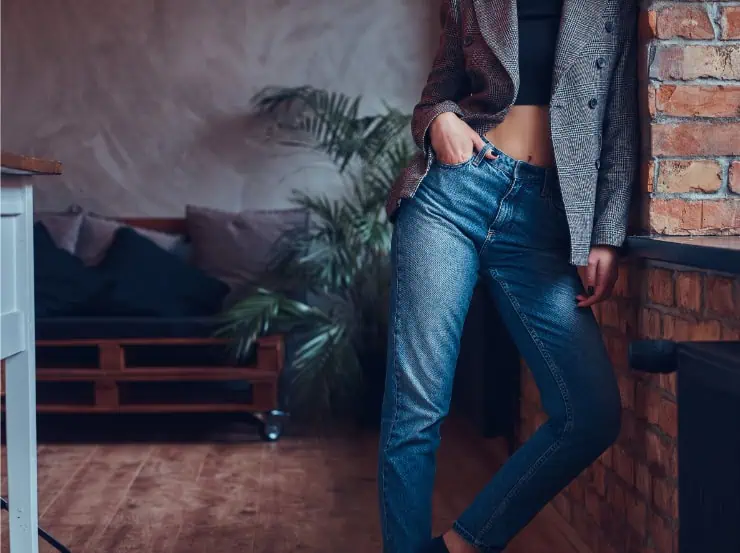
Keeping a blazer fully buttoned is a subtle mistake that instantly ages an outfit. A closed blazer can look stiff and overly formal, especially when worn casually. Leaving the blazer open creates vertical lines that elongate the body and soften the overall look. It also allows your inner layer to show, adding dimension and interest. Unless you’re intentionally going for a sharp, tailored moment, wearing the blazer open restores ease, movement, and modern energy key elements of style after 60.
5. Wearing Blazers That Are Too Tight in the Arms or Shoulders
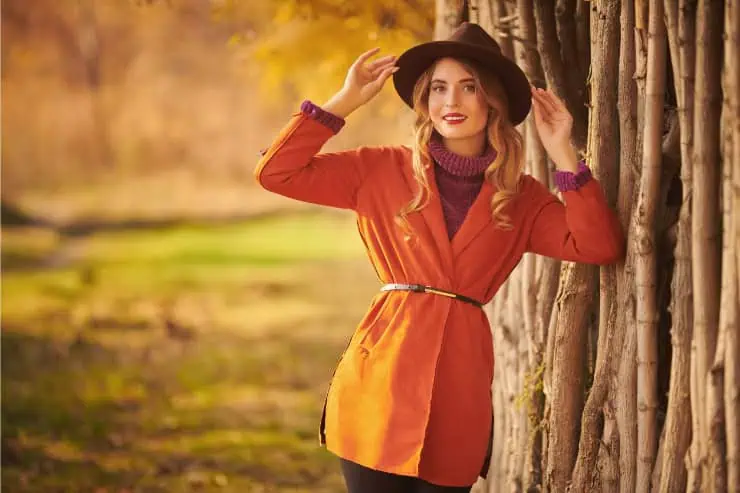
Fit issues around the shoulders and arms can completely ruin the power of a blazer. Tightness causes pulling, creasing, and discomfort, which reads instantly as “wrong fit.” After 60, comfort and polish must coexist. A well-fitting blazer should allow easy movement without strain. If you constantly tug at the sleeves or feel restricted when sitting, the blazer isn’t serving you. Proper shoulder fit gives the blazer authority and ease, allowing you to wear it confidently all day.
6. Styling It With Dated Tops Underneath

What you wear under your blazer matters just as much as the blazer itself. Old fashioned blouses with busy prints, ruffles, or shiny finishes can instantly date the entire outfit. Modern inner layers such as silk shells, fine gauge knits, crisp tees, or soft button downs keep the look clean and intentional. Simplicity underneath lets the blazer shine. This styling shift refreshes the blazer’s role, making it feel contemporary rather than corporate or tired.
7. Ignoring Sleeve Length and Styling

Sleeves that fall too long or bunch at the wrist can make a blazer look sloppy. Proper sleeve length should hit at the wrist bone or slightly above, allowing a bit of skin or shirt cuff to show. Rolling or gently scrunching the sleeves is another modern trick that instantly relaxes the look. This small adjustment adds effortlessness and visual interest. After 60, these details make a blazer feel styled rather than simply worn.
8. Treating the Blazer as Only a “Formal” Piece

One of the biggest mistakes is reserving blazers only for work or formal occasions. This limits their power and versatility. A blazer styled casually with jeans, flats, loafers, or even sneakers feels modern and confident. When worn too formally all the time, it can feel stiff and dated. After 60, the blazer works best when it bridges polished and relaxed. Treating it as an everyday layering piece unlocks its true style potential.