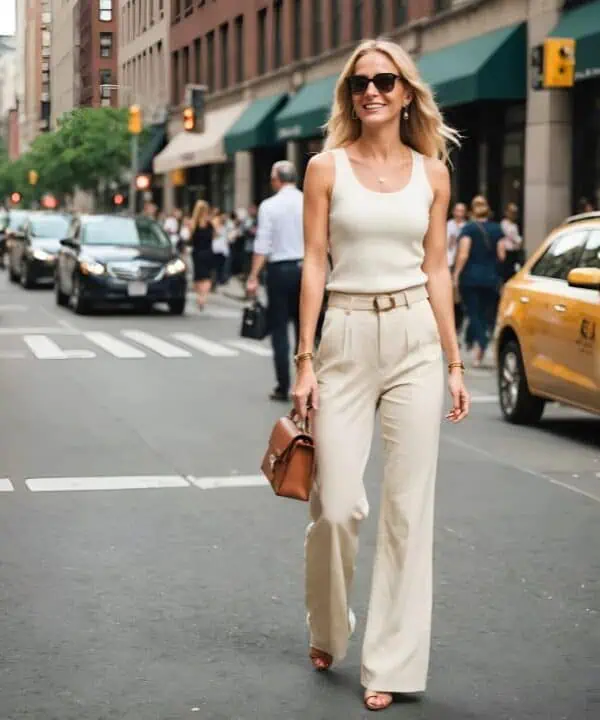
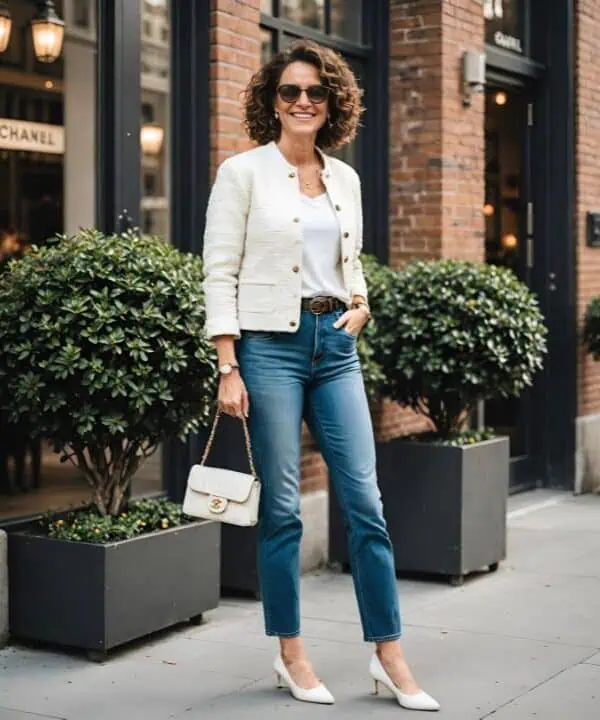
The 1980s left a powerful mark on how many women still think about dressing. Shoulder pads, strict coordination rules, and rigid ideas about polish shaped an entire generation’s approach to style. While fashion has evolved dramatically, many of these rules linger quietly in modern wardrobes especially among women taught to dress “correctly” rather than creatively. Stylists today spend less time adding trends and more time undoing outdated beliefs. Forgetting these old rules doesn’t mean dressing younger or trendier; it means dressing with awareness, proportion, and intention. These eight rules no longer serve modern life or modern style.
Table of Contents
1. “Everything Must Match Perfectly”
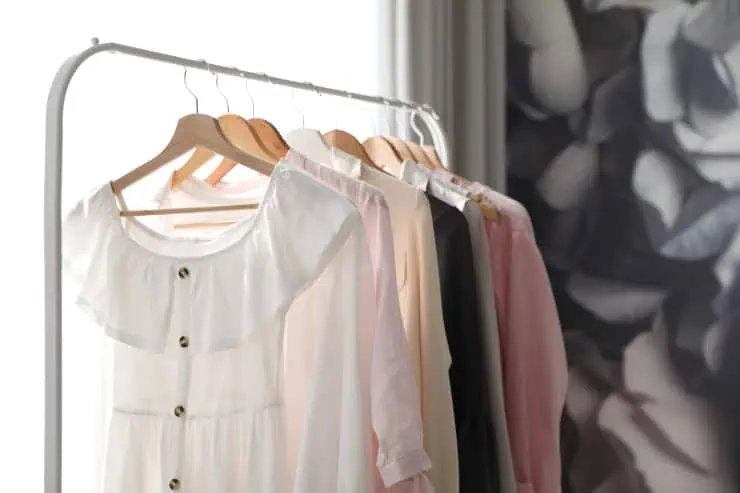
The 80s obsession with matching shoes, bags, belts, and jewelry created outfits that felt controlled and overly coordinated. Today, this level of precision often reads as dated rather than polished. Modern style values cohesion, not duplication. When everything matches exactly, the outfit loses depth and personality. Stylists now encourage variation mixing tones, textures, and finishes to create visual interest. A bag doesn’t need to match shoes; it needs to complement the outfit. Perfect matching freezes a look in time, while thoughtful contrast keeps it current and expressive.
2. “Structured Equals Sophisticated”

In the 80s, stiffness was synonymous with power. Sharp tailoring, rigid fabrics, and exaggerated structure were seen as the pinnacle of sophistication. Today, that same rigidity can feel harsh and aging. Modern sophistication balances structure with softness. Stylists favor pieces that move, drape, and respond to the body rather than armor it. Overly stiff blazers, boxy jackets, and inflexible fabrics often overwhelm the wearer instead of enhancing her. True elegance now comes from ease, not force.
3. “Neutral Colors Are Always Safer”

The idea that neutrals are universally flattering and appropriate was deeply ingrained in 80s dressing. While neutrals remain useful, relying on them exclusively often results in invisible outfits. Stylists frequently see women default to beige, taupe, or grey out of habit rather than intention. Modern style uses neutrals as a base, not a hiding place. Strategic color whether muted or rich adds vitality and presence. Playing it “safe” with color often does more harm than good, draining personality from otherwise strong outfits.
4. “Age Determines What You’re Allowed to Wear”

The 80s were full of rigid age rules: hemlines, sleeves, colors, and silhouettes deemed “appropriate” at certain stages of life. Stylists now consider this one of the most damaging beliefs still in circulation. Age does not dictate style context, proportion, and fit do. When women dress according to outdated age rules, they often limit themselves unnecessarily. Modern style is about relevance, not restriction. The most stylish women dress for who they are now, not for a rulebook written decades ago.
5. “Statement Pieces Should Be Loud”

The 80s celebrated excess big jewelry, bold prints, dramatic details. While statement dressing can still be powerful, loudness is no longer the requirement. Today’s statement pieces are often quiet but intentional: an architectural coat, sculptural jewelry, or a striking silhouette. Stylists see many women avoid statements entirely because they associate them with 80s excess. The problem isn’t statements it’s misunderstanding them. Modern statements whisper confidence instead of shouting for attention.
6. “Dressing Up Means Being Uncomfortable”

Heels you can’t walk in, fabrics that itch, clothes that restrict movement discomfort was normalized as the price of looking polished in the 80s. Stylists now reject this completely. Comfort and style are no longer opposing forces. When outfits are uncomfortable, posture suffers, confidence drops, and the clothes wear the woman. Modern dressing prioritizes ease, allowing the wearer to move naturally and feel present. Discomfort is no longer a sign of effort it’s a sign of outdated thinking.
7. “Trends Are for the Young”

The 80s promoted the idea that trends belonged to youth, while older women should remain timeless and static. Stylists now see this belief freezing wardrobes in the past. Trends aren’t instructions; they’re signals. Incorporating even one modern element a cut, fabric, or proportion keeps style relevant. Avoiding trends entirely disconnects outfits from the present moment. Timeless doesn’t mean untouched. It means adaptable. Style stays alive when it evolves.
8. “Looking Polished Means Looking Serious”

Seriousness was equated with credibility in 80s fashion dark colors, sharp lines, minimal playfulness. Today, that seriousness can feel heavy and unapproachable. Stylists emphasize that modern polish includes warmth, softness, and individuality. Playful elements don’t undermine authority; they humanize it. When outfits are too severe, they age the wearer emotionally as well as visually. Contemporary elegance allows personality to coexist with polish.