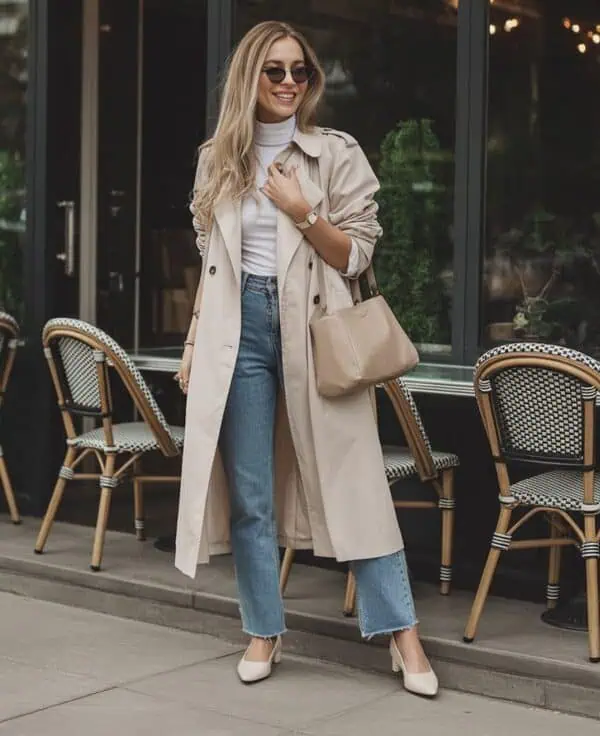
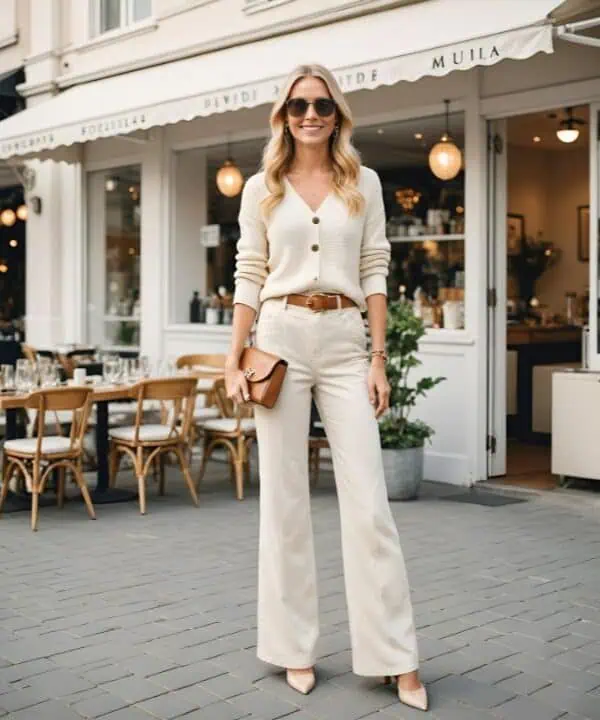
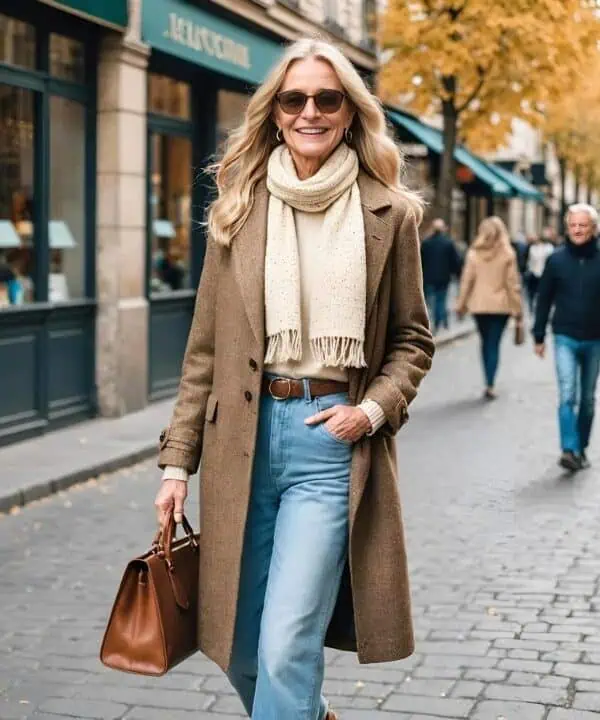
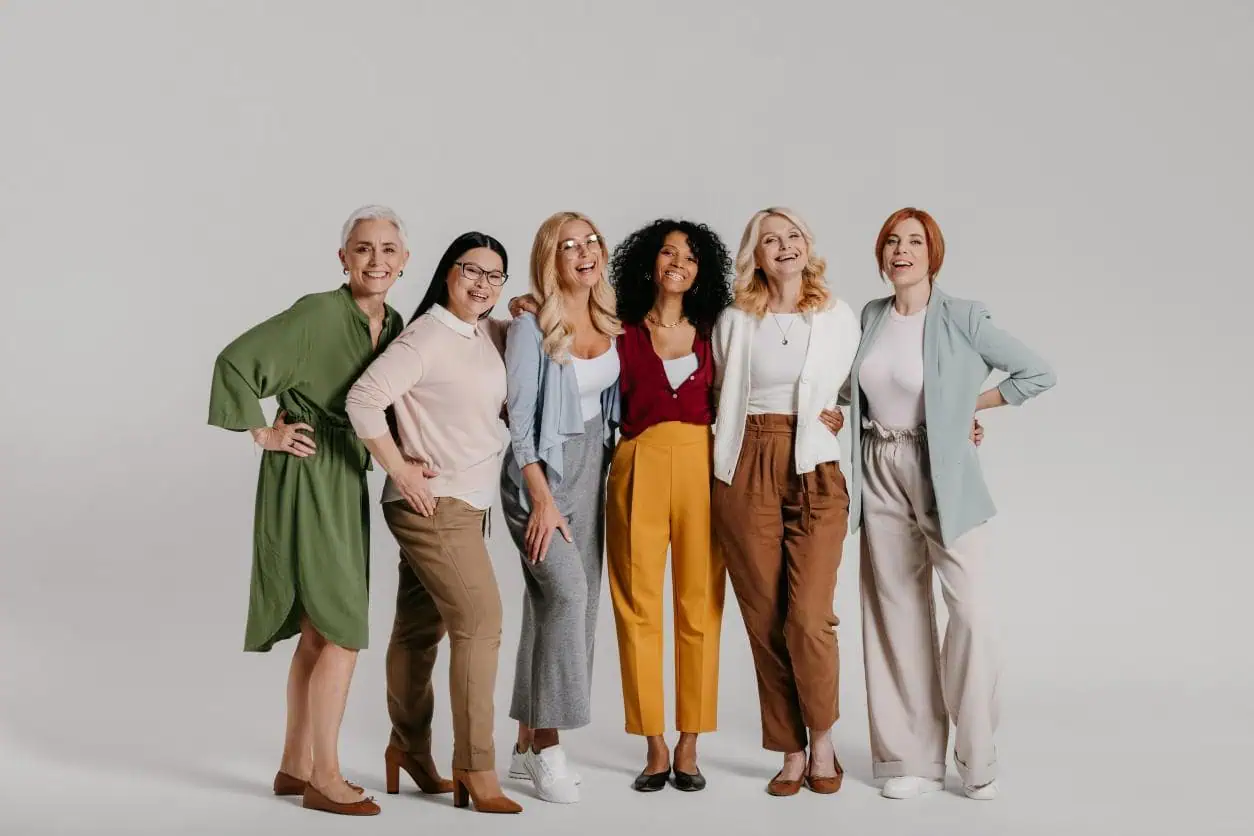
Balanced outfits don’t happen by accident they’re the result of thoughtful proportion. When proportions are off, even beautiful clothing can look awkward, heavy, or unfinished. When they’re right, outfits feel effortless, flattering, and visually calm. Proportion affects how the eye moves across the body, how tall or streamlined you appear, and how intentional your outfit reads overall. Women who consistently look well dressed understand where garments start and end, how volume is distributed, and how pieces relate to one another. These eight proportion tricks focus on simple, repeatable adjustments that bring harmony to outfits without requiring trends or drastic changes.
Table of Contents
1. Balance Volume with Structure
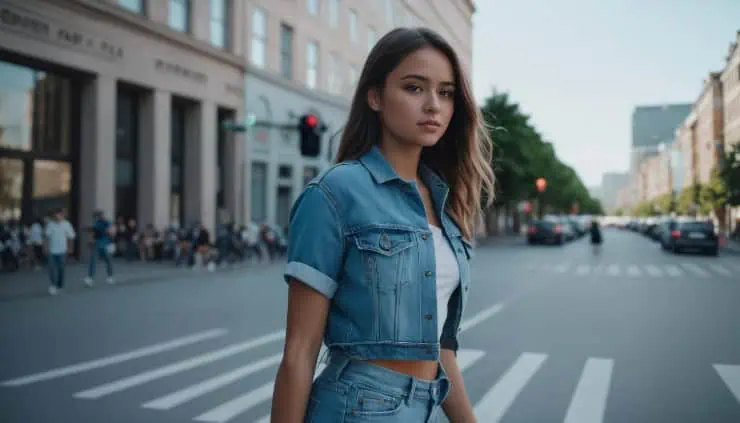
One of the most effective proportion tricks is balancing loose pieces with something structured. When volume appears head to toe, outfits can look shapeless and heavy. Adding structure such as a tailored jacket, defined waistband, or crisp fabric anchors the look. For example, wide-leg trousers feel balanced with a fitted knit or structured blazer, while a flowy top benefits from a more streamlined bottom. This contrast helps the eye understand the silhouette. Balanced outfits rarely rely on all-tight or all-loose pieces. Instead, they mix softness and structure to create visual clarity and polish.
2. Pay Attention to Where Tops End
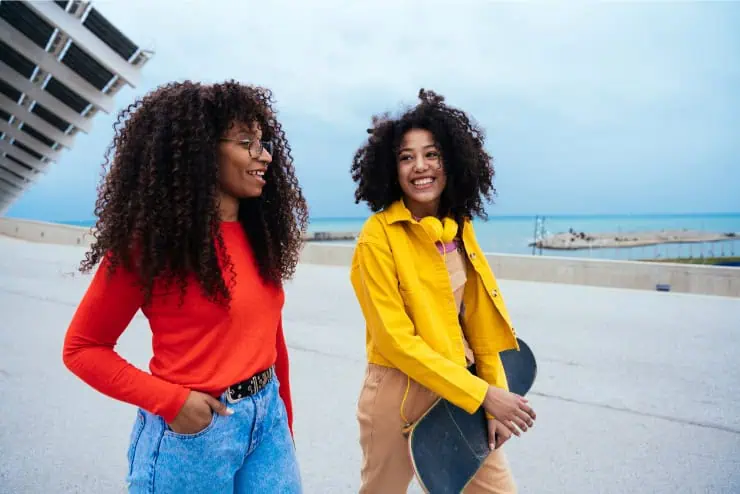
Top length plays a critical role in overall proportion. Tops that end at the widest part of the hip or mid thigh can unintentionally shorten the body and widen the silhouette. Balanced outfits often feature tops that end slightly above or below these points. Cropped or waist-skimming tops elongate the leg line, while longer tops work best when paired with slim or straight bottoms. Understanding where a top falls helps control visual weight. Even small length adjustments like a half tuck or choosing a slightly shorter hem can dramatically improve balance.
3. Match Pant Shape to Shoe Profile
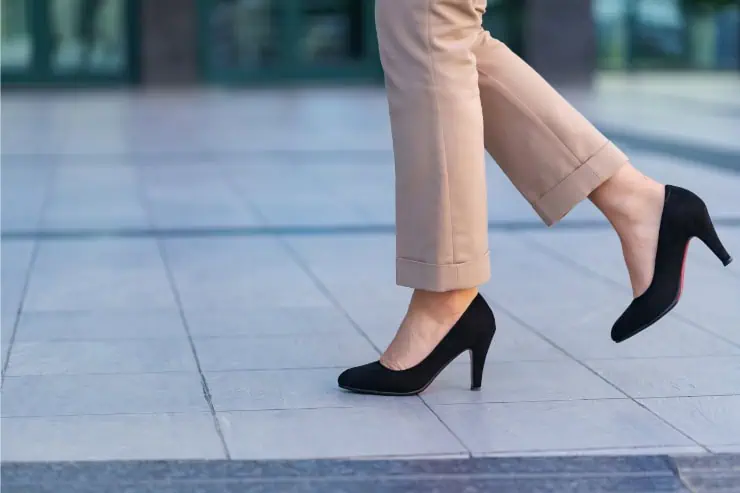
Pant proportions don’t exist in isolation they’re finished by shoes. Wide or straight leg pants look most balanced with shoes that have some visual presence, while slim pants benefit from sleeker footwear. Pairing delicate shoes with heavy pants or chunky shoes with narrow trousers can disrupt proportion. Matching shoe profile to pant shape keeps the outfit grounded. This alignment helps the eye travel smoothly from hem to floor. When shoes and pants work together, the entire outfit looks more intentional and cohesive.
4. Use Waist Definition Strategically
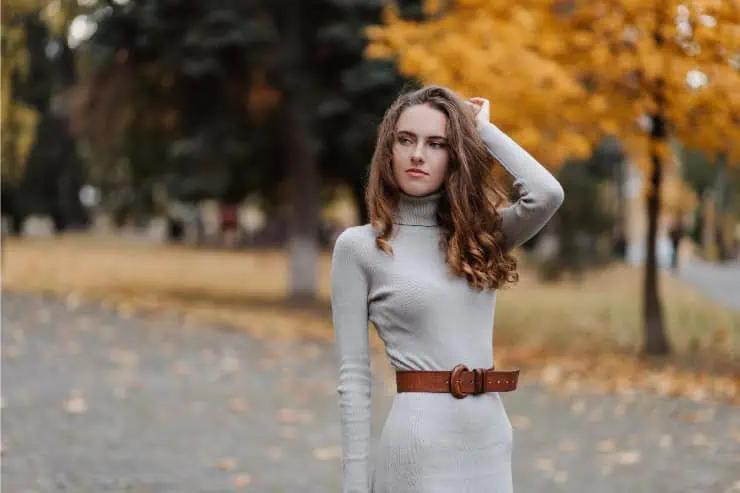
Defining the waist even subtly can dramatically improve outfit balance. This doesn’t require tight belts or fitted clothing. Waist definition can come from cropped layers, gentle tucks, seams, or high-rise bottoms. Creating a clear midpoint helps the body look proportioned rather than top- or bottom-heavy. Outfits without any waist reference often feel shapeless. Strategic waist definition provides structure while maintaining comfort. It gives the eye a reference point, which helps the entire outfit feel grounded and harmonious.
5. Keep Layer Lengths Intentional
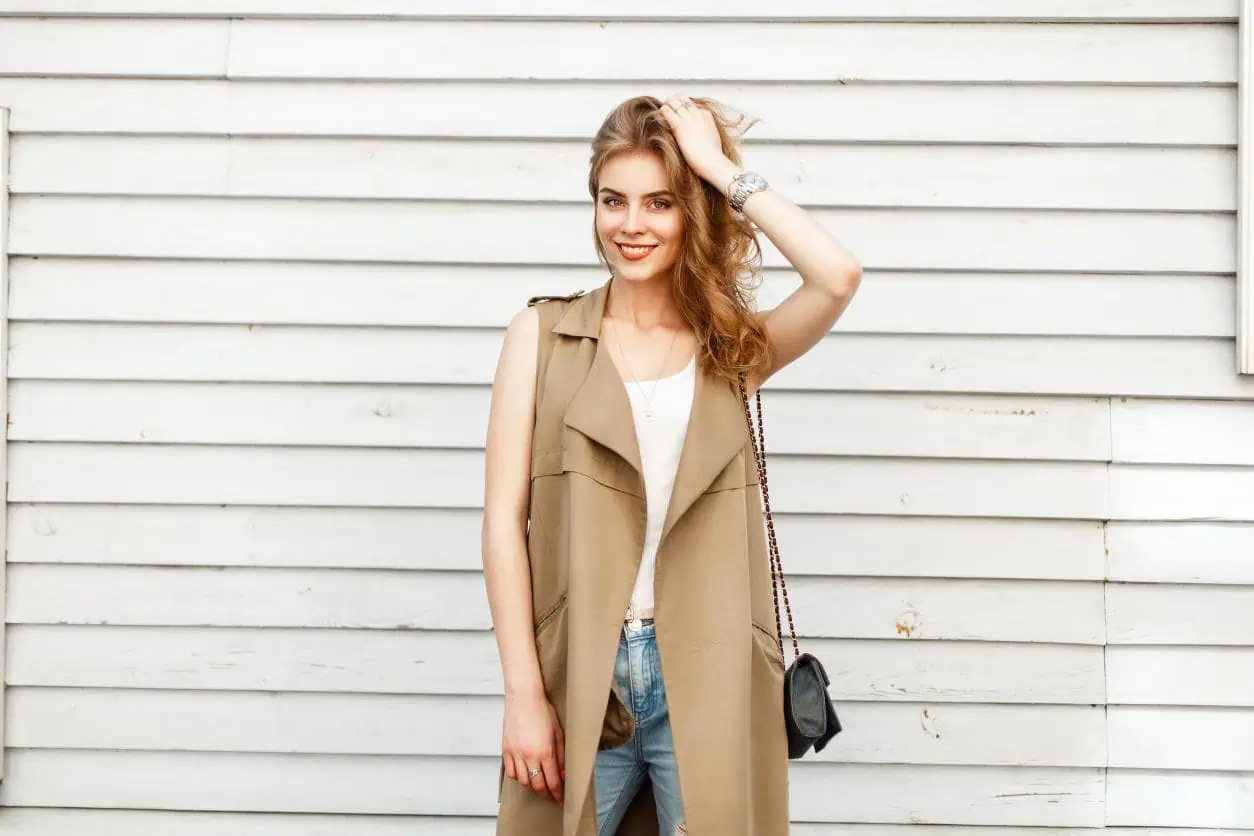
Layering can quickly throw off proportion when lengths compete. Balanced outfits typically feature layers that step down intentionally rather than randomly. For example, a shorter jacket over a longer top paired with full-length pants creates a clear hierarchy. When multiple layers end at the same length or all hit at different awkward points the outfit feels cluttered. Thoughtful layering creates flow and order. Each layer should have a purpose and a defined endpoint. This clarity keeps outfits visually balanced and polished.
6. Distribute Visual Weight Evenly
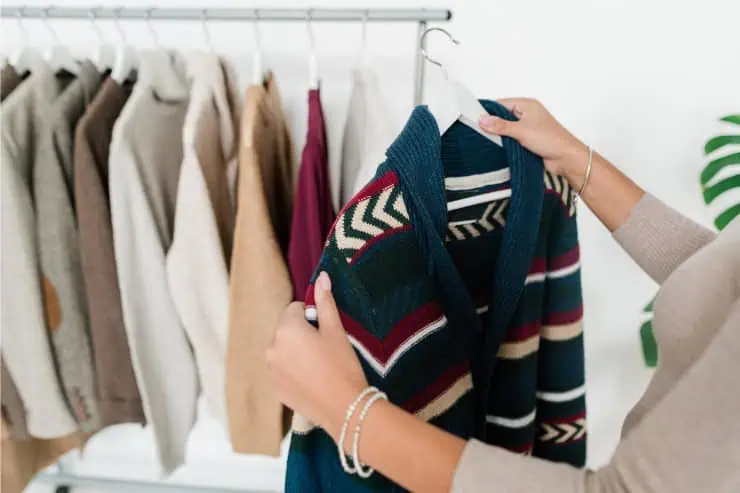
Visual weight refers to where bold colors, textures, or volume sit in an outfit. When all the weight is on top or bottom, outfits feel unbalanced. For example, a chunky sweater paired with slim pants may feel top-heavy unless grounded with substantial shoes or structure. Spreading visual interest evenly top, middle, and bottom creates harmony. This doesn’t mean matching exactly, but it does mean being aware of where attention lands. Balanced outfits guide the eye smoothly rather than letting it get stuck in one area.
7. Use Vertical Lines to Elongate
Vertical elements help balance proportions by elongating the silhouette. Open layers, long cardigans, center seams, or consistent color from top to bottom encourage the eye to move vertically. This trick is especially helpful when wearing volume or layering. Vertical flow counteracts width and keeps outfits from feeling boxy. Even subtle vertical cues can improve balance significantly. When the eye travels up and down smoothly, the outfit feels lighter and more cohesive.
8. Edit Before You Leave
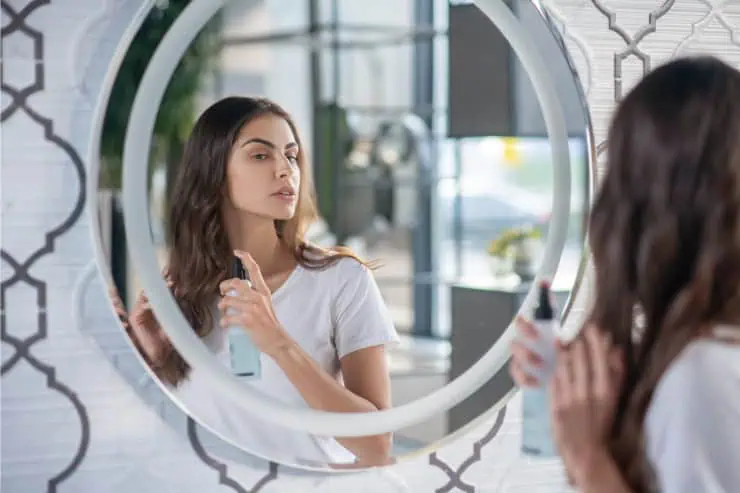
Proportion often improves with a final edit. Taking a moment to assess balance in the mirror allows you to adjust hems, remove excess layers, or tweak proportions. Sometimes a single change rolling a sleeve, changing shoes, or swapping a bag restores balance. Well-proportioned outfits are rarely accidental. They’re finished thoughtfully. This habit ensures that every piece contributes positively to the overall look. Editing reinforces intention and elevates even simple outfits.