Most people don’t keep clothes because they love them they keep them because of who they used to be, who they hoped to be, or who they think they should still become. Closets quietly turn into museums of old identities: former jobs, past bodies, abandoned routines, or imagined futures. Holding onto these items isn’t about fashion; it’s about attachment. Over time, these clothes take up physical and emotional space, making it harder to dress for your actual life. Letting go isn’t about failure or aging it’s about alignment.
Table of Contents
1) Clothes That Fit a Body You’re Actively Fighting to Get Back
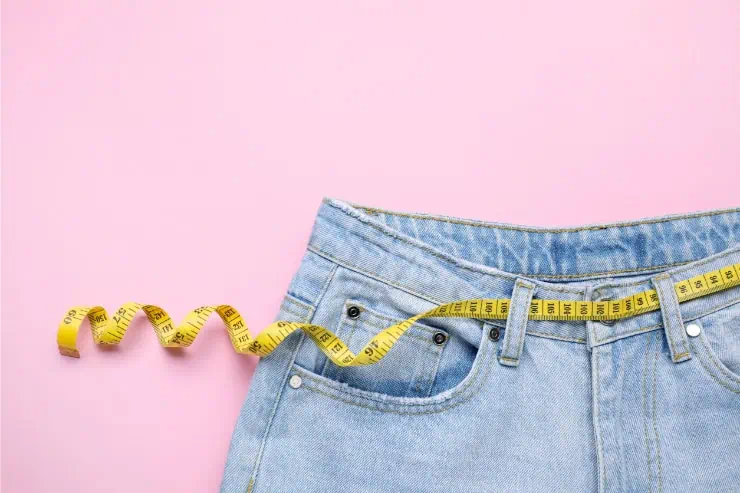
These items are usually kept with a mix of hope and pressure. Jeans that zip but don’t breathe, dresses that require strategic posture, or tops that only work “once I lose a little weight.” They represent a future version of you that feels conditional. Over time, these clothes can quietly erode confidence by framing your current body as temporary or wrong. Dressing becomes aspirational instead of supportive. Modern style prioritizes comfort, movement, and presence. Clothes should work for the body you live in now, not punish it for changing. Keeping these pieces delays acceptance and limits joy. Letting them go often feels like relief rather than loss, because it allows your wardrobe to support reality instead of resisting it.
2) Workwear for a Career or Role You’ve Outgrown

Closets often hold suits, dresses, or uniforms tied to a past job, title, or lifestyle. These pieces carry identity, authority, and memory. Even when the career has changed or ended, the clothes remain as proof of who you were. The problem is that they no longer reflect how you live or want to show up. Wearing them now can feel costume-like or disconnected. Keeping them “just in case” often blocks space for clothes that suit your current rhythm. Style evolves with life. When your work changes, your wardrobe should too. Holding onto outdated workwear often keeps you emotionally anchored to a version of yourself that no longer fits.
3) Special Occasion Clothes Waiting for a Life That Never Happens

Many closets contain dresses, heels, or outfits reserved for hypothetical events. A gala that never comes, a vacation that didn’t materialize, a lifestyle that looked different in theory. These items often go unworn for years, preserved for a future that remains vague. Over time, they become symbols of delay. Meanwhile, everyday clothes carry the full burden of use. Modern wardrobes work best when clothes are worn, not saved. Keeping pieces for an imagined life creates imbalance and guilt. Style thrives on participation, not anticipation. If your real life doesn’t require these clothes, they quietly serve a fantasy rather than you.
4) Trend Pieces From a Phase You’ve Moved Past

Every wardrobe has remnants of a trend phase that once felt exciting but now feels foreign. Extremely skinny jeans, dramatic prints, overly embellished tops, or silhouettes tied to a specific moment. These pieces are often kept because they were once flattering, expensive, or emotionally charged. The problem isn’t age it’s relevance. Wearing them now can feel like reenacting a past version of yourself rather than expressing who you are today. Trends are meant to pass. Holding onto them beyond alignment freezes your style in time. Letting go makes room for evolution, not conformity.
5) “Motivational” Clothes That Make You Feel Guilty

Some clothes are kept not out of love, but out of obligation. The dress you should wear more. The blazer you paid too much for. The shoes that hurt but look impressive. These items often sit untouched while quietly generating guilt. They belong to a version of you who had different priorities or tolerances. Style should support your energy, not shame it. When clothes create emotional weight instead of confidence, they stop serving you. Modern style values ease, honesty, and alignment. Releasing guilt-driven clothing frees up mental space and allows your wardrobe to feel lighter and more intentional.
6) Youth Driven Pieces Meant to Prove You’re Still “That Person”
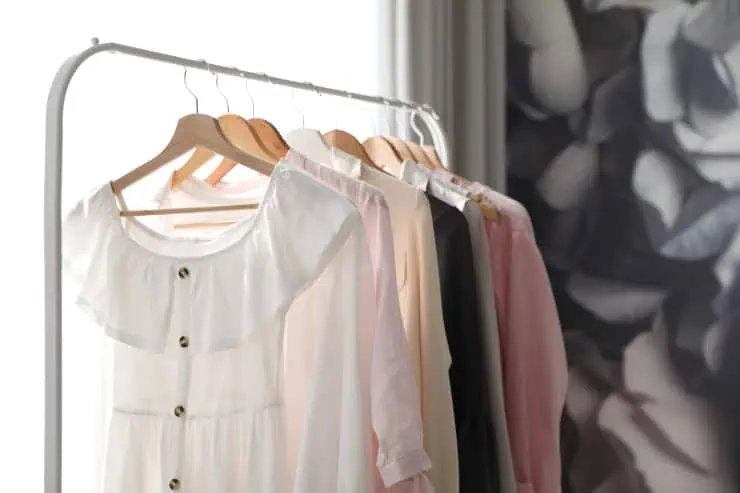
Some items are kept to maintain a narrative rather than serve function. Ultra-trendy cuts, overtly youthful graphics, or clothes chosen to signal relevance. These pieces often belong to a version of you trying to prove something rather than express something. Over time, they feel less authentic and more performative. Style doesn’t need to defend age or identity. Confidence comes from alignment, not performance. Letting go of these items doesn’t mean giving up vitality it means redefining it on your own terms. Modern style values self-trust over validation.
7) Clothes That Only Work With Versions of You That No Longer Exist

Some outfits only function with a specific hairstyle, body language, or lifestyle. High-maintenance garments that require effort you no longer enjoy giving. Clothes that depend on heels you don’t wear, climates you no longer live in, or social roles you’ve outgrown. These pieces become inactive because the supporting version of you is gone. Keeping them creates friction. Style should integrate seamlessly into your life, not demand transformation. Letting go acknowledges growth. Your wardrobe should reflect how you live now, not how you once structured your days.
8) Items You Keep Because Letting Go Feels Like Admitting Change
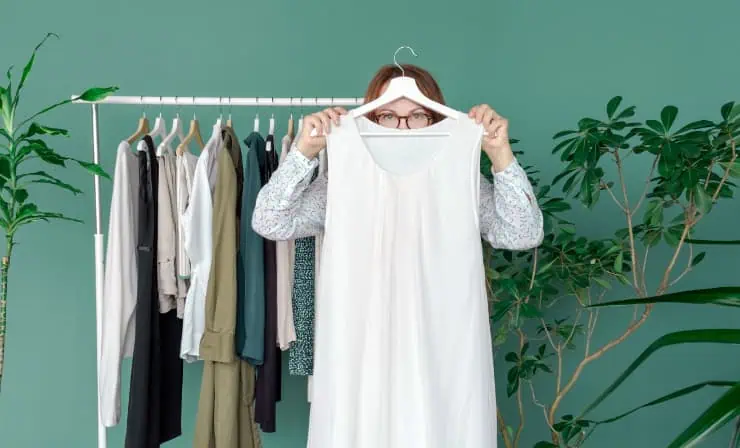
The hardest items to release are often emotionally symbolic. Letting go feels like admitting time has passed or priorities have shifted. But change isn’t loss it’s evidence of living. Clothes are tools, not proof of worth. Holding onto outdated pieces out of fear freezes progress. Modern style isn’t about constant reinvention; it’s about honesty. When your closet reflects who you are now, dressing becomes easier, faster, and more satisfying. Letting go of the past makes space for a wardrobe that supports the present version of you the only one that actually exists.