Shoes communicate more about personal style than almost any other item in an outfit. Stylists often say they can tell whether an outfit feels current or dated within seconds and footwear is usually the reason. The so called “instant grandma” look has nothing to do with age and everything to do with design priorities that haven’t evolved. Many of these shoes were once considered practical, responsible, or even elegant. Today, they’re read as outdated because they emphasize function at the expense of proportion, shape, and modern balance.
Table of Contents
1. Chunky Orthopedic Walking Shoes Worn Outside Exercise
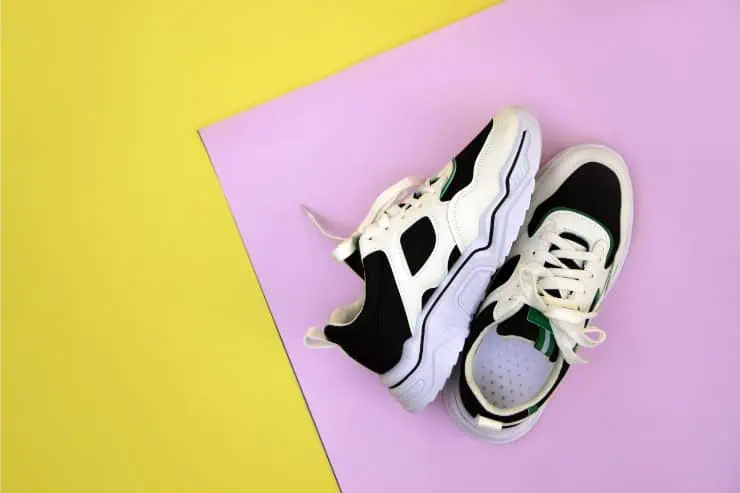
Orthopedic walking shoes are designed for performance, not everyday styling. When worn outside of exercise or long-distance walking, they immediately dominate an outfit visually. Thick soles, exaggerated curves, and overly technical details pull focus downward and disrupt proportion. Stylists note that younger generations also value comfort, but they expect it to be disguised within sleeker design. Modern comfort sneakers have slimmer profiles, intentional color palettes, and simplified construction. When a shoe looks engineered rather than designed, it anchors the entire outfit in a medical or utilitarian category, which is why it’s read as aging rather than practical.
2. Rounded Toe Ballet Flats With Thin Soles

Classic ballet flats with overly rounded toes and paper-thin soles were once considered timeless, but today they feel visually weak. Stylists point out that these flats flatten the foot, shorten the leg line, and lack the structure modern outfits require. When paired with cropped pants or skirts, they emphasize proportions in an unflattering way. Contemporary flats have sharper or almond-shaped toes, supportive soles, and intentional detailing. The issue isn’t flat shoes it’s softness without structure. Rounded ballet flats often feel juvenile or outdated rather than refined, making outfits look older instead of elegant.
3. Velcro Strap Sandals Designed Purely for Support
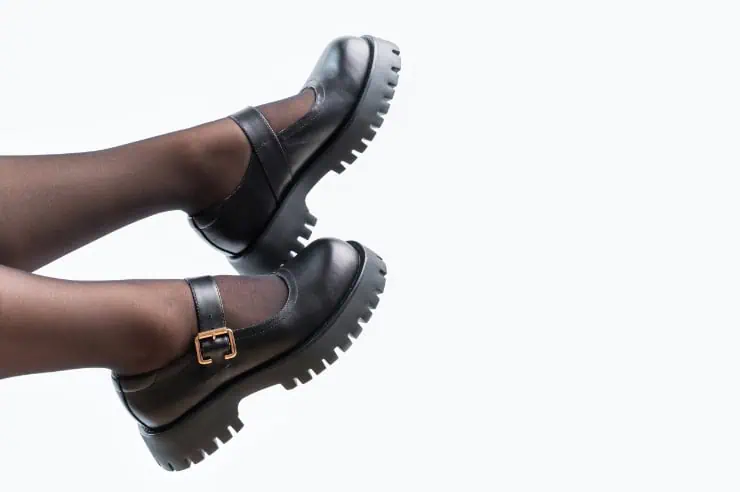
Velcro sandals with thick straps and heavy soles are one of the clearest “instant grandma” signals stylists mention. While supportive sandals are essential for many women, these styles often look orthopedic rather than intentional. The wide straps cut the foot visually, while the hardware draws attention to function over form. Modern supportive sandals now offer sleeker straps, refined silhouettes, and minimal fastenings that still provide comfort. When sandals prioritize medical support without aesthetic consideration, they instantly age an outfit, even when the rest of the look is thoughtfully styled.
4. Overly Practical Loafers With Thick Rubber Soles
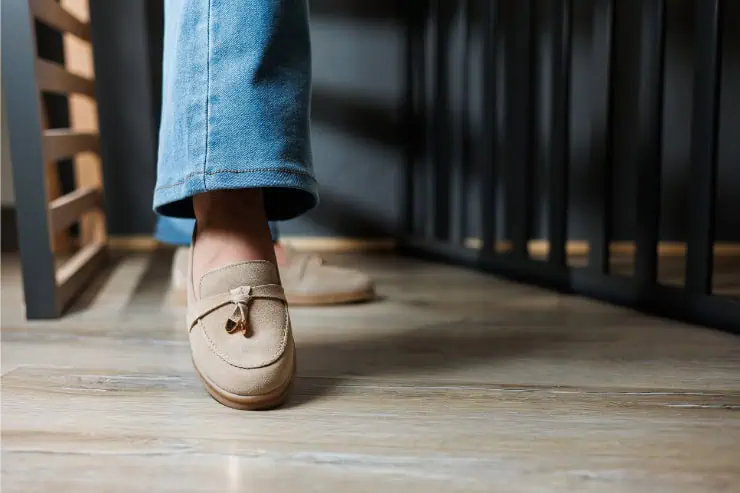
Loafers themselves are not the issue they’re actually very current when done right. The problem arises with overly practical versions that feature bulky rubber soles, stiff leather, and conservative shapes. These shoes often look heavy and dated, especially when paired with cropped trousers or skirts. Stylists recommend loafers with sleeker soles, modern proportions, and subtle design updates. When loafers lean too far into function without balance, they feel like a relic of office dress codes from decades past rather than a modern wardrobe staple.
5. Shiny Synthetic Shoes That Look Plastic Under Light
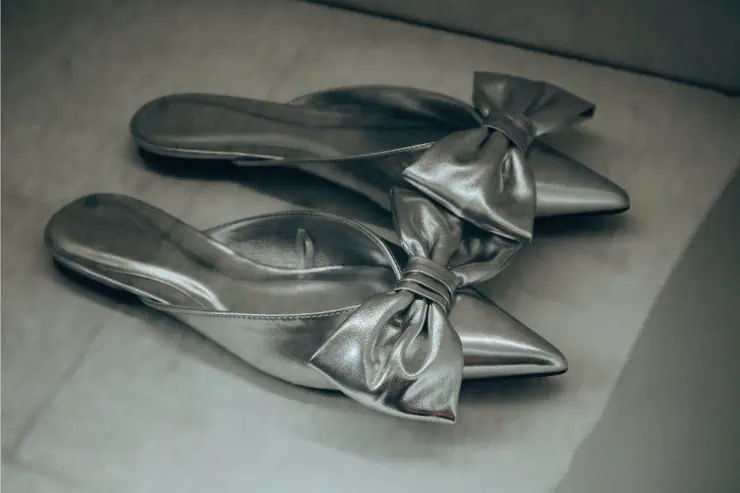
Footwear made from shiny synthetic materials is a fast way to date an outfit. These shoes often reflect light unnaturally, drawing attention for the wrong reasons. Stylists note that matte finishes and natural textures instantly read as more modern and refined. Shiny synthetics are often associated with lower-quality manufacturing from earlier eras, which is why they carry such strong aging signals. Even affordable shoes today tend to avoid excessive shine. When footwear looks plastic rather than intentional, it undermines the entire outfit’s credibility.
6. Overly Cushioned Slip On Shoes With No Shape
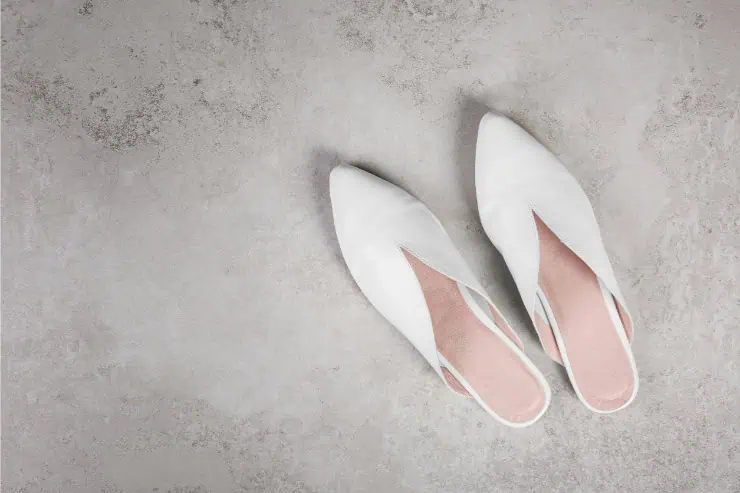
Slip-on shoes designed purely for ease often with thick cushioning and shapeless uppers can make an outfit feel unfinished. While they may feel comfortable, they lack the visual structure modern styling depends on. Stylists often point out that younger women also wear slip-ons, but those styles maintain shape, clean lines, and proportion. Shoes that collapse or appear swollen visually pull an outfit toward frumpiness. Comfort shoes should support the foot discreetly, not advertise it. When the shoe becomes the most visually dominant part of the outfit, the balance is lost.
7. Low, Wide Heels With Rounded Toes
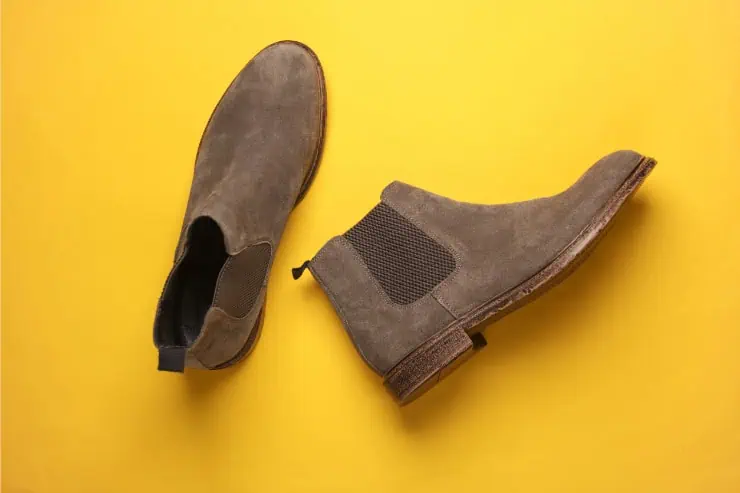
Low heels aren’t the problem outdated shapes are. Wide, blocky heels paired with rounded toes were once considered sensible and elegant, but today they feel clunky. Stylists prefer refined heel shapes, cleaner lines, and slightly sharper toes that elongate the leg. Shoes that look heavy at the bottom disrupt the overall silhouette, especially when worn with skirts or dresses. Modern low heels feel architectural and intentional rather than purely functional. Shape matters far more than height when it comes to looking current.
8. Shoes Bought Only for Comfort and Styled Accordingly
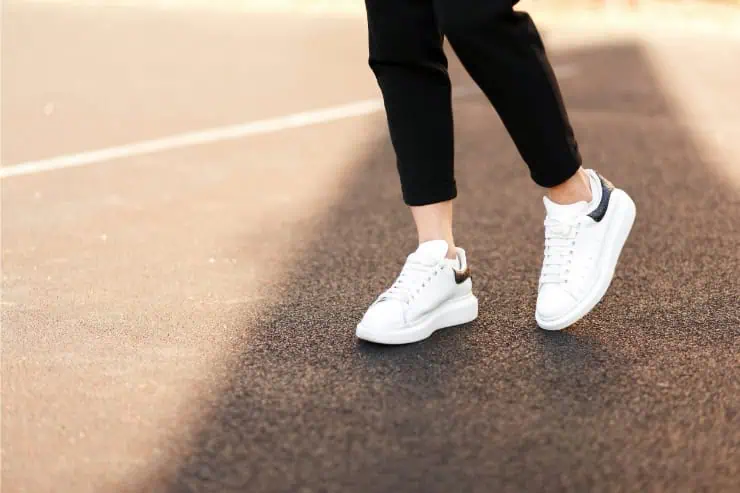
Stylists consistently emphasize that the most aging footwear choice isn’t a specific shoe it’s a mindset. Shoes purchased solely for comfort and then styled without contrast, intention, or balance send a clear message. Younger generations also prioritize comfort, but they style around it thoughtfully. A comfortable shoe paired with a sharp jacket, structured bag, or modern silhouette feels intentional. When comfort is the only visible priority, outfits lose personality and edge. Modern style isn’t about discomfort it’s about disguising practicality within thoughtful design.