As women age, clothing fit can become a bigger challenge. Natural changes in body shape, posture, and muscle tone can affect how clothes sit and feel. Ill-fitting clothes can lead to discomfort, unflattering silhouettes, or even self-consciousness. Fortunately, understanding common fit issues and how to address them can make dressing after 50 both comfortable and stylish. By choosing the right cuts, fabrics, and tailoring techniques, women can create a wardrobe that complements their body shape, enhances confidence, and ensures that every outfit looks polished and feels good.
1. Gaping at the Bust

Gapping at the bust is a common problem for women over 50, often due to changes in bust shape or the cut of the garment. This can make tops, shirts, or dresses look ill-fitted and cause discomfort. The easiest solution is to opt for tops with darts, princess seams, or stretchy fabrics that conform to the body without pulling. Tailoring is another excellent option adding small adjustments at the side seams or darts can eliminate gaps. Button-down shirts may benefit from smaller buttons or hidden snaps to prevent openings. Ultimately, focusing on structured yet flexible fabrics ensures a smooth, flattering fit.
Table of Contents
2. Dropped Shoulders
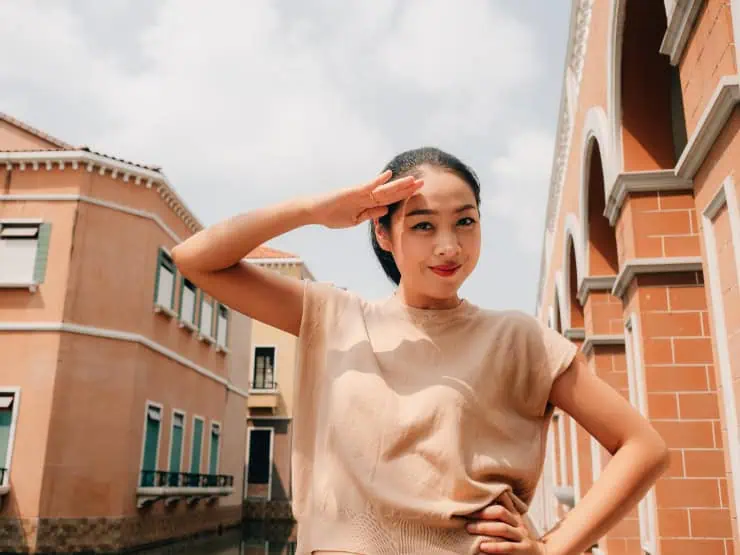
Dropped shoulders occur when the shoulder seam of a garment falls lower than your natural shoulder line. This can make tops, jackets, and blazers appear oversized or sloppy. To fix this, look for garments designed with structured shoulders or slight shoulder padding. Alternatively, minor tailoring adjustments can move the seam into the correct position. Fabrics with a bit of stretch also help maintain shape. Choosing top styles like fitted blazers, tailored coats, or structured knit tops ensures a clean shoulder line, making outfits look more polished and proportionate, especially for professional or formal occasions.
3. Tight Waistlines
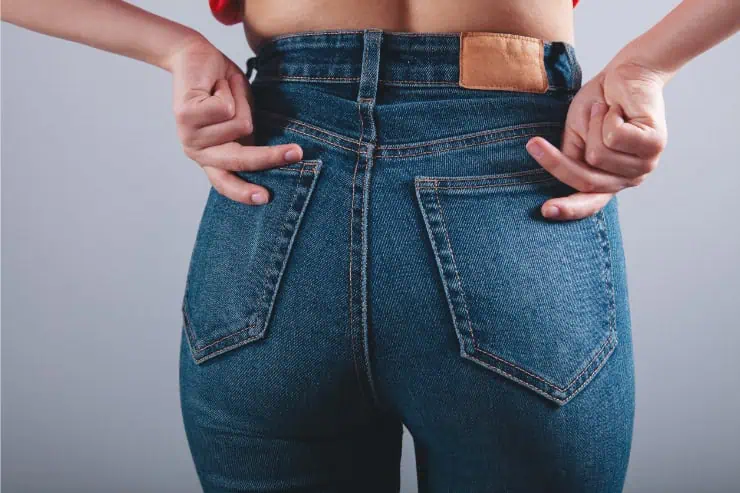
As metabolism and body composition change, waistlines can become a problem area. Pants, skirts, or dresses may dig in, causing discomfort or unflattering bulges. High-rise or mid-rise waistbands with a bit of stretch can reduce tightness while offering support. Wrap dresses, A-line skirts, and elastic-waist trousers provide flexibility without sacrificing style. Tailoring, such as letting out the waistband slightly, can make a huge difference in fit. Avoid stiff fabrics that limit movement, and prioritize styles that accommodate the natural curves of the waist, creating a smooth, comfortable, and flattering silhouette.
4. Pants That Slip at the Hips
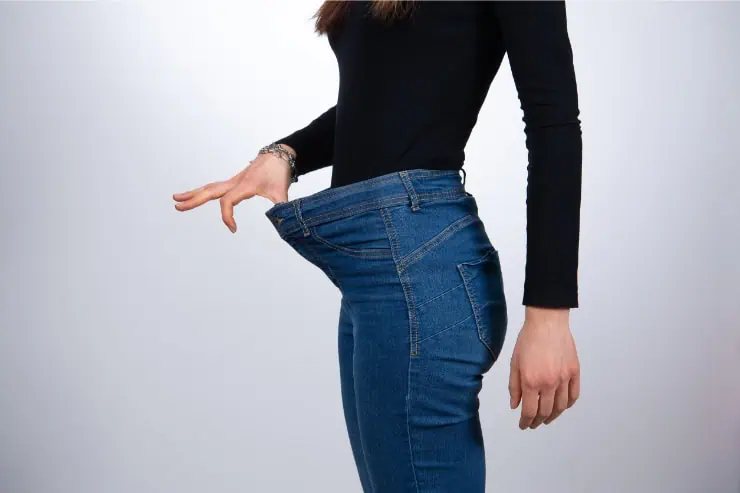
Slipping or sagging pants are a frequent concern for women over 50, often due to changes in hip shape or a less defined waist. Look for pants with a contoured waistband or subtle elastic inserts for a snug fit. Styles like straight-leg or bootcut pants with mid-rise waists can stay in place while flattering the figure. Belts are another practical solution, especially for trousers with slightly looser fits. Tailoring can also help adjusting the seat or adding darts ensures the pants hug the body comfortably, preventing sagging and maintaining a sleek, polished appearance.
5. Shortening Arms or Sleeves
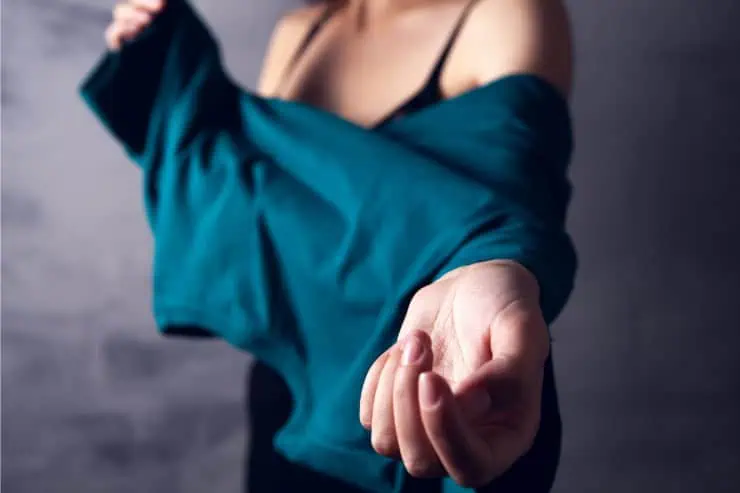
Sleeves that ride up or seem too short can be a fit issue as posture and shoulder shape change over time. Long-sleeve tops, jackets, and coats may need minor adjustments to achieve the right length. When shopping, choose sleeves that naturally hit just below the wrist bone and opt for fabrics that retain shape. Layered looks like three-quarter sleeves can also work well, offering flexibility without looking tight. Tailoring sleeves or adding cuffs can give a custom fit, ensuring that every arm movement feels comfortable while maintaining a proportionate, elegant appearance.
6. Boxy or Oversized Tops
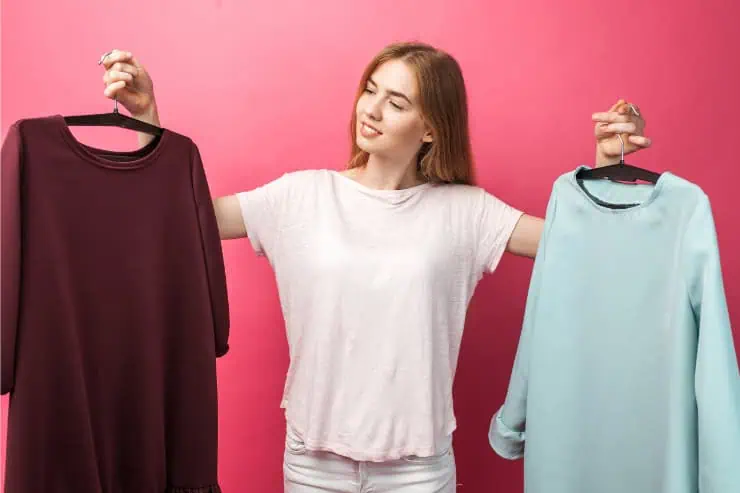
Loose, boxy tops may feel comfortable but can overwhelm the figure and hide natural curves. To fix this, opt for slightly tailored tops with gentle shaping at the waist or bust. Fabrics with light drape help the garment skim the body without clinging. Belted or tie-waist designs are also flattering for creating shape. Avoid overly stiff fabrics that hold boxy shapes rigidly. Layering with a structured blazer or cardigan can add definition while maintaining comfort. Properly fitted tops ensure an effortlessly chic silhouette without compromising on style or ease.
7. Drooping or Ill-Fitting Necklines
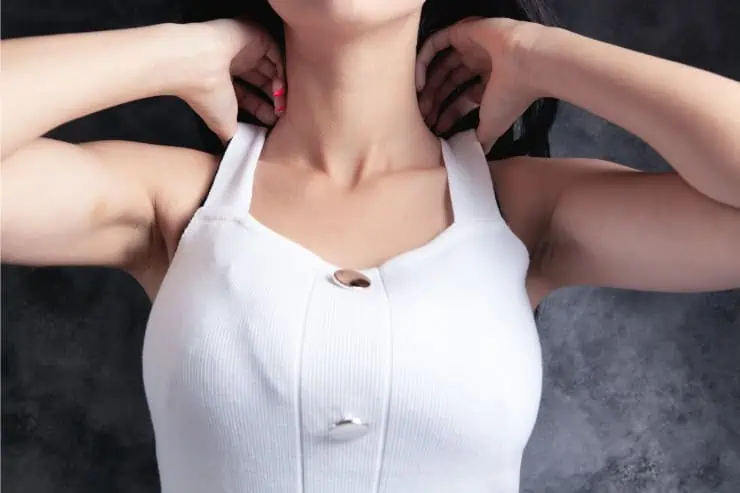
Necklines can stretch or sag over time, especially in knits, t-shirts, or tops with elastic collars. This can make a top look loose or shapeless. Choosing higher-quality fabrics that retain shape, such as ponte or cotton blends, prevents sagging. V-necks, scoop necks, and cowl necks are flattering alternatives that create elongation without clinging. Small alterations like reinforcing seams or adding a subtle facing can restore structure. Well-fitted necklines frame the face elegantly, balancing proportions and keeping the overall outfit looking polished and intentional.
8. Shrinking or Stretching Fabrics
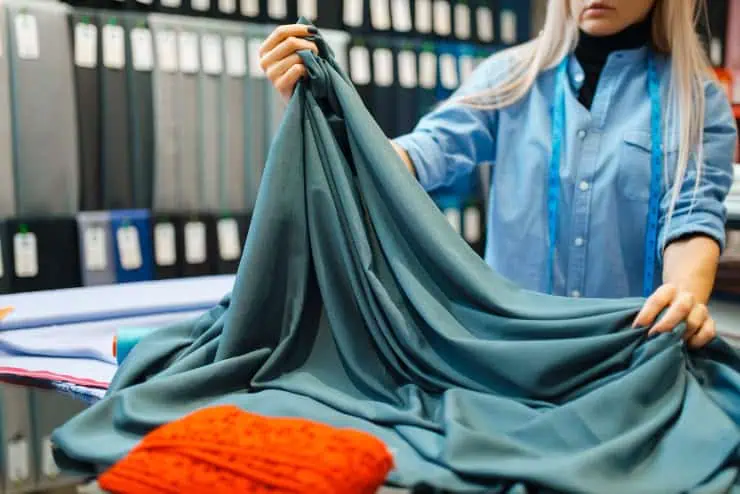
Clothing can shrink in the wash or stretch over time, leading to inconsistent fits. Natural fibers like cotton, wool, or linen are prone to these changes. To avoid issues, follow care instructions carefully, choose pre-shrunk fabrics, and store clothes properly. For stretchy materials, ensure they maintain recovery after washing. Tailoring can adjust garments affected by shrinkage, while adding darts or panels can correct stretching. Investing in quality fabrics and regular maintenance ensures your wardrobe continues to fit well, maintaining both comfort and style as your body changes over time.