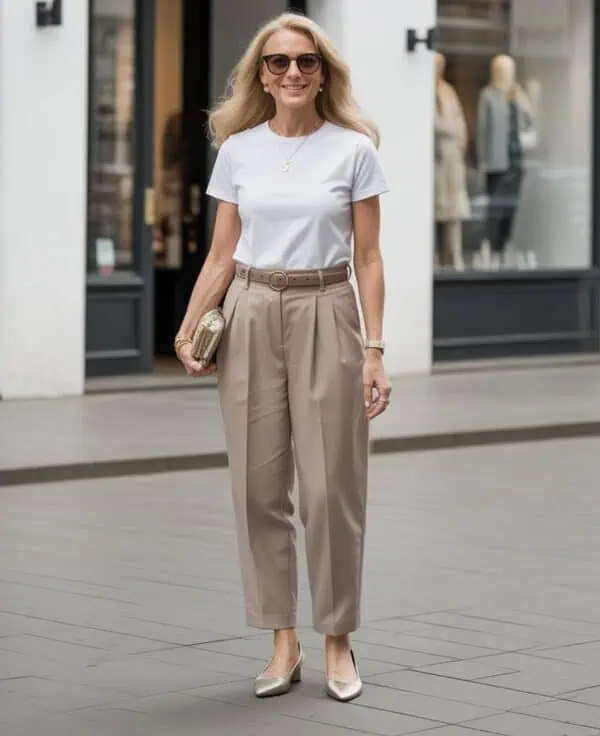
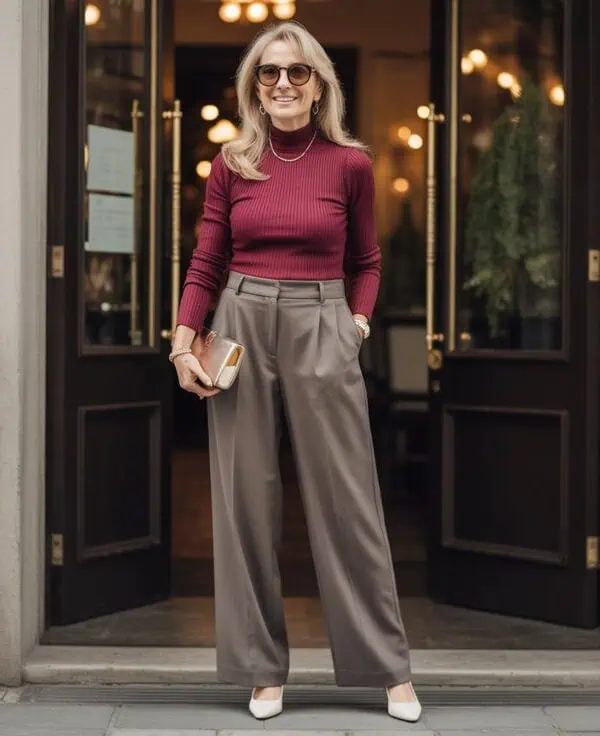
At high-end restaurants, the hostess stand is its own subtle social filter. Long before menus are opened or names are confirmed, visual cues are assessed in seconds. This isn’t about labels, logos, or dressing loudly it’s about signaling ease, intention, and cultural fluency. Accessories play an outsized role because they communicate refinement without trying too hard. The right choices suggest that you understand the unspoken codes of luxury spaces: restraint, quality, and self-assurance.
Table of Contents
1. A Structured, Medium Size Handbag
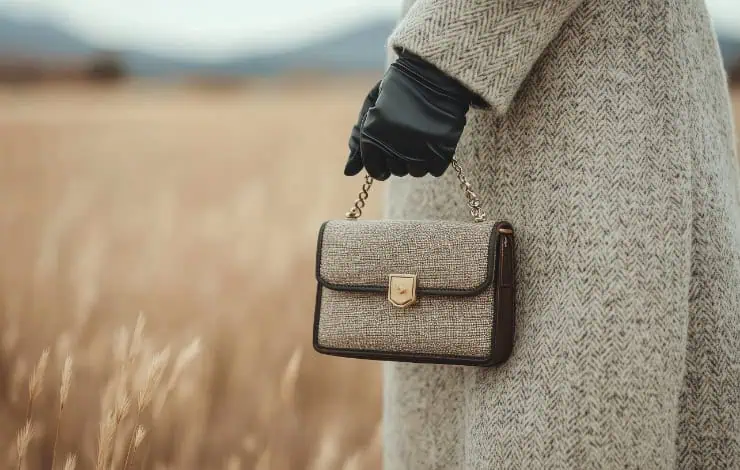
A structured handbag immediately communicates polish and control. In luxury dining spaces, oversized totes and slouchy bags read practical but careless, while tiny novelty bags can feel performative. The sweet spot is a medium-size bag with clean lines, quality materials, and minimal hardware. Structure suggests intention, while restraint signals taste. Leather that holds its shape, neutral or deep tones, and subtle branding all contribute to an effortless, upscale impression.
2. Refined Jewelry with Presence, Not Noise
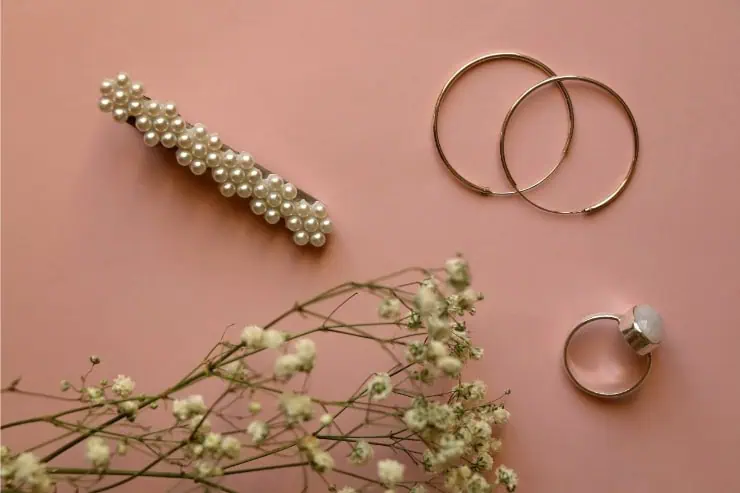
Jewelry at high end restaurants should feel deliberate, not decorative. Thin gold hoops, sculptural cuffs, a single statement ring, or a fine chain necklace all signal confidence without excess. Loud, jangling, or overly trendy pieces can feel distracting or try-hard. The goal is presence, not sparkle. High quality metals and clean design lines suggest discernment and longevity qualities luxury spaces respond to instinctively. When your jewelry looks like it was chosen carefully rather than accumulated over time, it reinforces an image of quiet authority and personal style.
3. Elevated Shoes in Impeccable Condition

Shoes are one of the first things staff notice, especially when escorting you through the dining room. Scuffed soles, worn heels, or overly casual footwear instantly undermine an otherwise polished look. Elevated shoes whether a sleek flat, low heel, or refined boot signal respect for the environment. Clean lines, neutral tones, and quality materials matter more than height or trendiness. Well-maintained shoes suggest attention to detail, which luxury spaces associate with high-value guests. Nothing says “this person belongs here” faster than footwear that looks intentional and pristine.
4. A Quality Belt That Finishes the Outfit
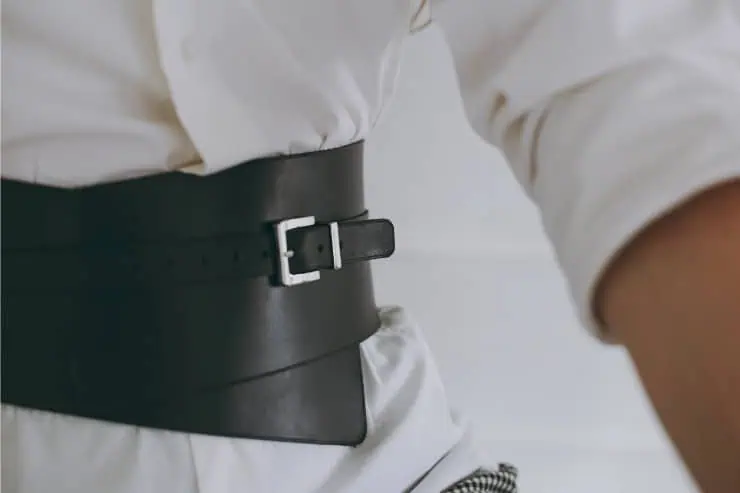
A belt may seem minor, but in upscale settings, it acts as a quiet marker of refinement. A well-made leather belt with understated hardware completes an outfit in a way that feels adult and composed. Cheap materials, oversized buckles, or logo-heavy designs can cheapen the overall effect. A refined belt shows that you think in layers and details, not just main pieces. It subtly communicates that your outfit was styled, not thrown together a distinction that matters more than most people realize in luxury environments.
5. Sunglasses That Signal Taste, Not Trend
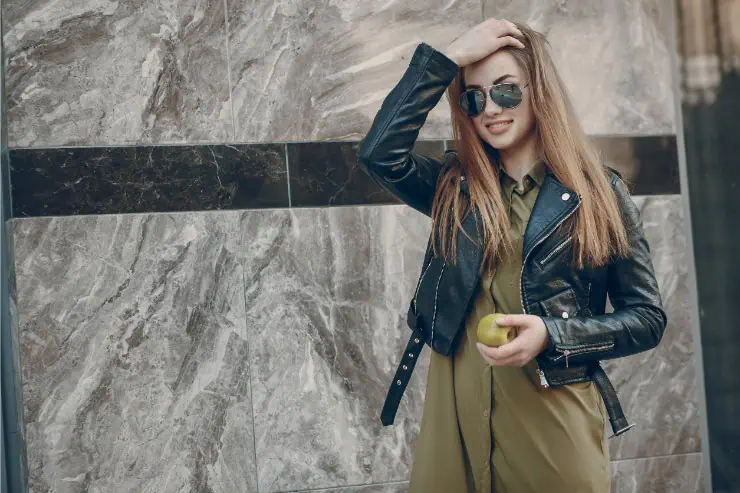
If you arrive wearing sunglasses, they should enhance your presence, not distract from it. Classic silhouettes such as slim rectangles, soft cat-eyes, or refined aviators signal timelessness and discretion. Overly trendy shapes, flashy embellishments, or loud branding can feel costume-like. High-end restaurants value subtle confidence, and sunglasses are often the first accessory staff see before you even step inside. A tasteful pair suggests cultural awareness and restraint, both of which quietly elevate your perceived status.
6. A Watch That Feels Personal and Understated
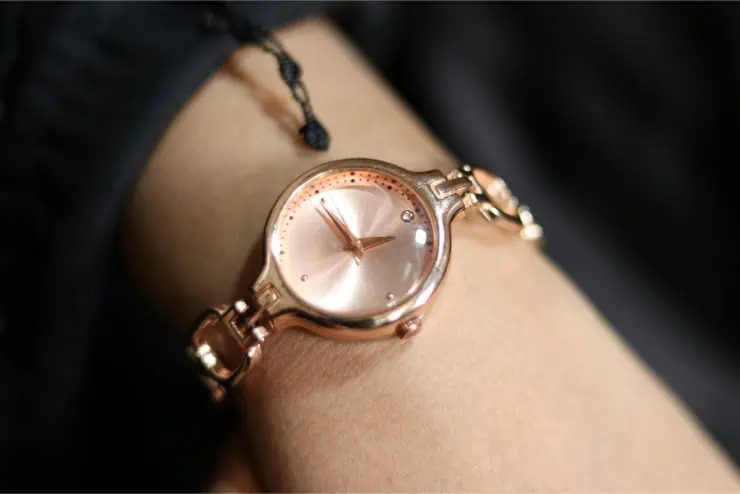
An understated watch communicates maturity and self-possession. It doesn’t need to be expensive, but it should feel intentional clean face, quality strap, and proportions that suit your wrist. Smartwatches or overly sporty designs can clash with refined dining spaces. A classic watch suggests that you value time, tradition, and craftsmanship. Even when not consciously noticed, it contributes to an overall impression of someone who understands luxury without needing to announce it.
7. A Tailored Outer Layer or Wrap
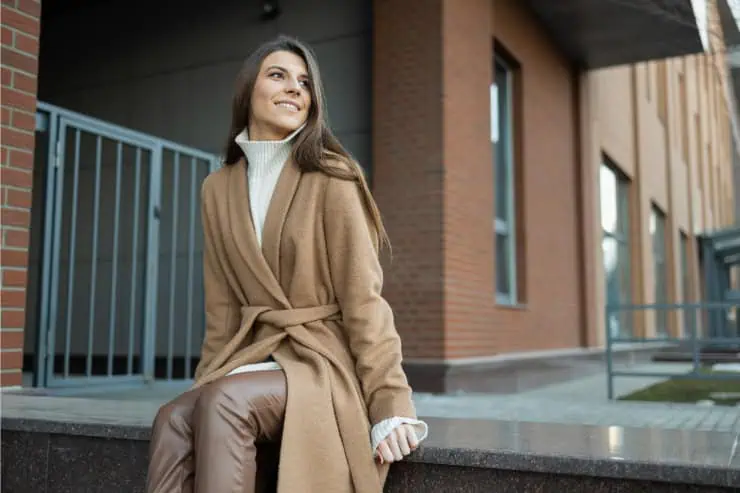
Your outer layer is often visible during check-in, and it sets the tone instantly. A tailored coat, elegant blazer, or refined wrap signals sophistication and preparedness. Puffer jackets, oversized hoodies, or overly casual layers can diminish the impact of what’s underneath. A structured outer piece suggests forethought and respect for the setting. Staff are more likely to respond positively to guests who appear composed from the moment they arrive, and your outer layer plays a key role in that first impression.
8. Grooming Details That Complete the Look
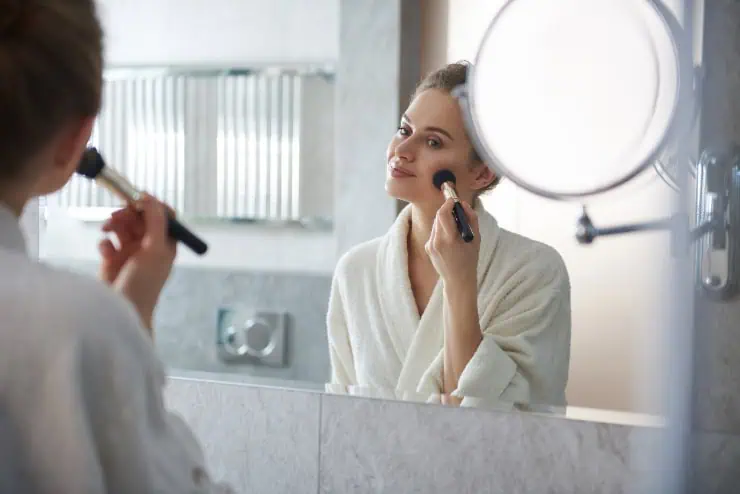
Accessories extend beyond what you wear to how you present yourself. Polished hair, neat nails, subtle fragrance, and intentional makeup (or well-executed minimalism) all count as finishing touches. These details signal self-respect and awareness traits that luxury environments respond to intuitively. When grooming aligns with your accessories, the result is cohesion. And cohesion is often what separates diners who blend into the room from those who are quietly prioritized.