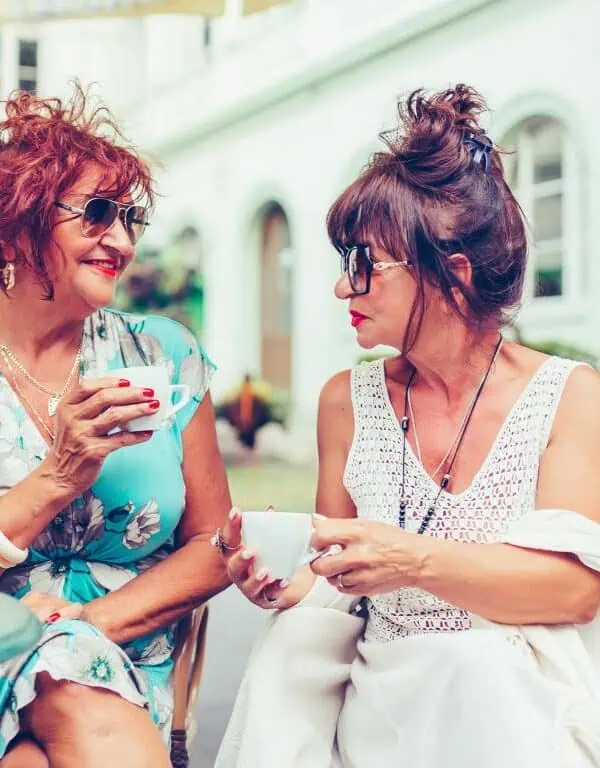
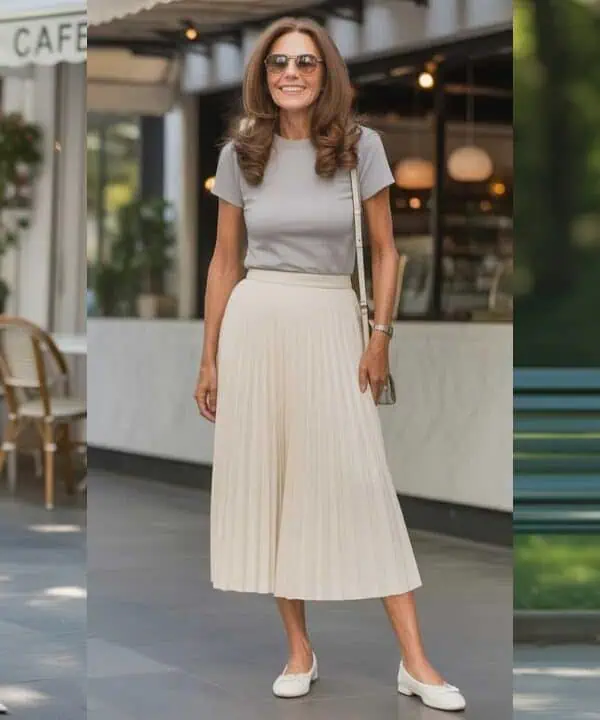
Winter dressing can be especially tricky for mature skin because the wrong colors can instantly drain warmth from your complexion. Shorter days, softer natural lighting, and heavier fabrics all amplify tones that might already feel dull or unflattering. Many women unintentionally choose shades that make their skin look pale, tired, or flat during the colder months. A few thoughtful color adjustments can change everything. By understanding which hues enhance radiance and which ones overwhelm, you can build a winter wardrobe that feels polished, energized, and age-defying. These seven mistakes and their simple solutions will help you look brighter all season.
Table of Contents
1. Wearing Cool Charcoal Instead of Softer Warm Greys
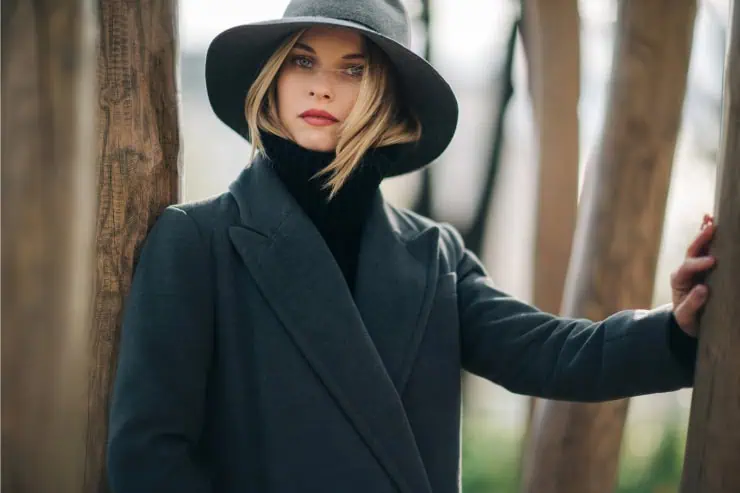
Charcoal grey is a winter staple, but its cool undertone can highlight sallowness or make mature skin appear dull, especially in the low lighting of winter months. Many women over 50 rely heavily on charcoal coats or sweaters without realizing that the sharp, coolness of this shade can wash out the complexion. Instead, try warm greys, dove grey, or greige tones. These hues bring subtle warmth and softness to the face, helping your skin look more even and alive. Paired with winter whites, camel, or softer blues, warm greys create a harmonious, flattering palette that keeps you looking fresh.
2. Choosing Pure Black When You Need Softer Neutrals
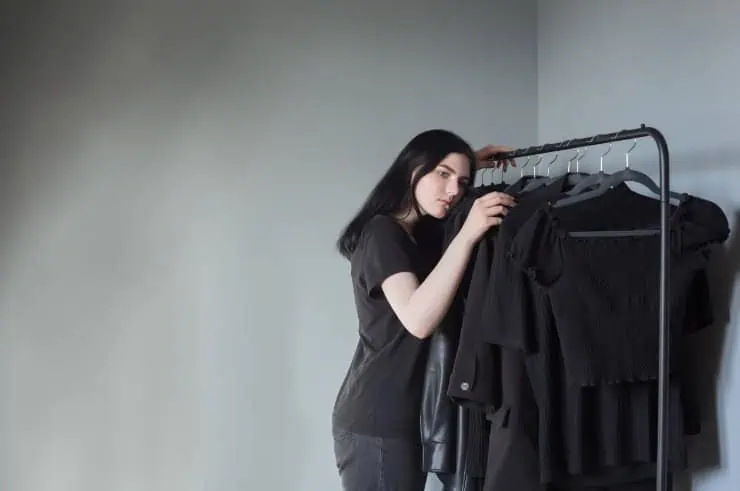
Black is classic and slimming, but it’s also the harshest color against mature skin especially when worn near the face. In the winter, when natural light is weaker, black can deepen shadows, highlight under-eye circles, and make the skin appear more washed out. You don’t need to give up black entirely, but balancing it with softer neutrals like chocolate brown, charcoal navy, deep olive, or espresso can instantly warm your features. Adding a colorful scarf, soft gold jewelry, or a warm-tone lip is another easy way to keep black feeling vibrant rather than draining.
3. Wearing Icy Pastels Instead of Muted Winter Tones

Pastels have their place, but icy lavender, pale baby blue, and frosted pink often reflect cool light onto the skin, making mature complexions look washed out or overly cool. Instead of these sharp, icy shades, choose deeper, muted tones like dusty rose, winter berry, slate blue, or muted mauve. These colors carry enough depth to complement winter fabrics while adding a gentle glow to the skin. They’re also incredibly easy to mix with other winter neutrals. A muted pastel will add life, dimension, and a softness that icy tones simply can’t offer during the darker season.
4. Sticking to Silver When Gold or Mixed Metals Would Be Softer
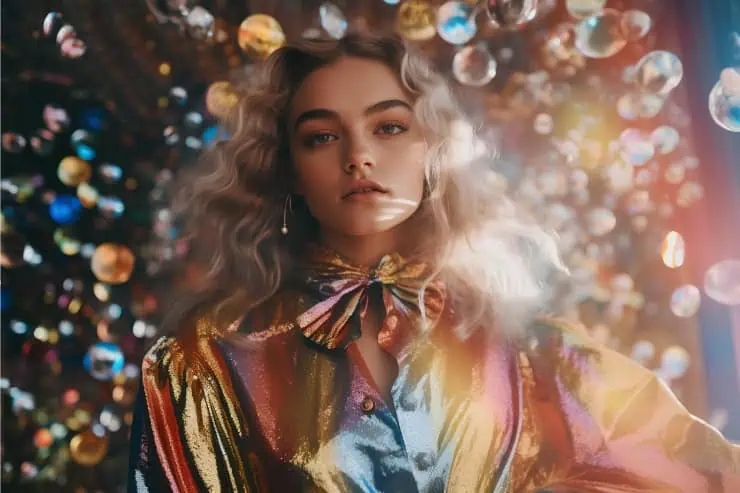
Cool-toned silver can be elegant, but in winter, its crispness often amplifies any coolness in the skin, which can make you appear paler or washed out. Mature complexions typically look more vibrant with warmer metal tones gold, champagne gold, rose gold, or mixed metals. These hues create a soft halo effect around the face and pair beautifully with warm winter colors like camel, ivory, burgundy, and forest green. The right metal acts almost like a soft filter, adding warmth and glow. A simple switch in jewelry can completely transform how your winter outfits flatter your complexion.
5. Favoring Pure White Instead of Cream, Ivory, or Soft Ecru

Bright white is striking, but it reflects a very cool light that can accentuate redness, fine lines, or uneven texture in winter lighting. For many women over 50, it can also feel too stark against the skin. Cream, winter white, and ivory are far more flattering alternatives. These soft neutrals add warmth without losing the crispness that makes white appealing in the first place. They brighten the face, soften the overall outfit, and work seamlessly with winter coats, knitwear, and scarves. These warmer whites are age-defying, elegant, and easy to build your wardrobe around.
6. Wearing Cool Blues Instead of Rich, Deep Tones

Cool, bright blues like cobalt or icy sky blue can look vibrant in summer but often feel too sharp in winter. They tend to emphasize cool undertones in the skin, which can make mature complexions look faded. Instead, reach for deeper, richer blues such as navy, midnight blue, marine, denim blue, or smoky teal. These colors have depth and warmth, offering a more flattering contrast to the skin. They also pair beautifully with winter neutrals and can make your complexion appear brighter and smoother. These tones bring sophistication while maintaining an uplifting effect.
7. Ignoring the Power of Soft Color Near the Face

One of the most common winter mistakes is relying entirely on dark colors without adding any brightness near the face. Dark coats, dark scarves, and dark sweaters can create a shadowing effect that makes the skin appear tired. A simple introduction of soft color think blush, camel, warm taupe, berry, or soft coral can instantly lift your complexion. Even if you prefer wearing darker outerwear, adding a colorful scarf, warm-toned hat, or flattering lipstick brings vibrancy back. This quick fix makes every winter outfit feel more intentional, polished, and radiance-boosting.