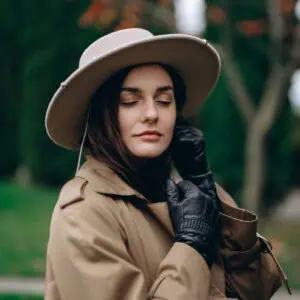
A simple outfit only looks basic when all the elements sit on the same visual level. Texture creates depth, contrast, and richness without relying on trends, logos, or bold colors. It’s one of the most underused tools in everyday dressing, yet it’s what separates flat outfits from ones that feel styled. High end fashion relies heavily on texture because it communicates quality before anyone notices fit or brand. When fabrics interact soft against structured, matte against sheen, smooth against napped the eye stays engaged. The key is subtlety. Texture works best when it’s layered thoughtfully, not stacked aggressively. These seven approaches show how to use texture intentionally so even the simplest outfit feels considered and elevated.
Table of Contents
1) Mix Matte and Sheen Within the Same Color Family
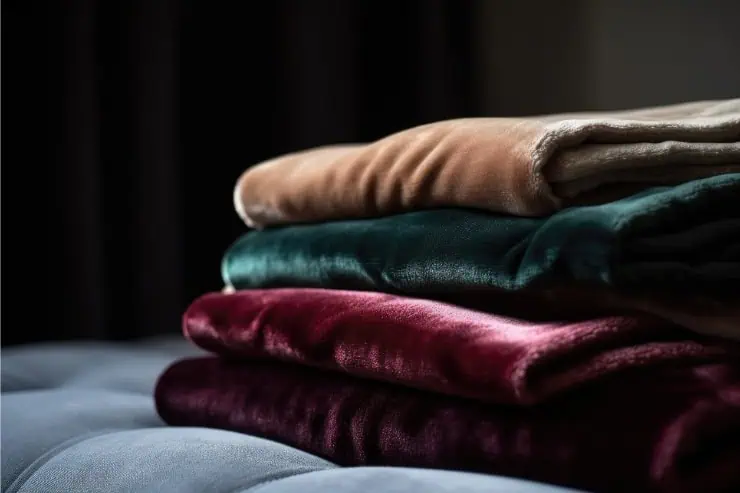
One of the easiest ways to elevate an outfit is by pairing fabrics with different finishes in similar tones. Matte and sheen create quiet contrast that feels sophisticated rather than flashy. For example, a matte cotton tee paired with a satin skirt in a similar color immediately looks styled. The eye registers dimension without being overwhelmed by color or pattern. High end brands use this technique constantly because it signals intentional design. When everything is matte or everything is shiny, the outfit can feel flat or overly styled. Mixing finishes adds nuance and depth, making even neutral outfits feel rich and thoughtfully assembled.
2) Anchor Soft Pieces With One Structured Texture
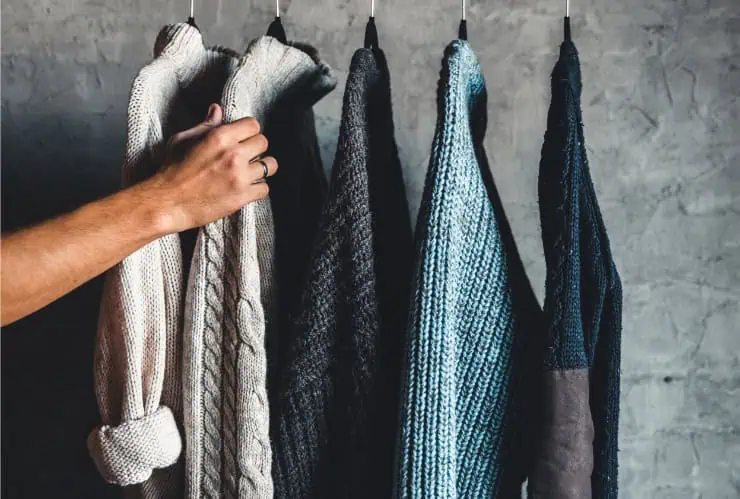
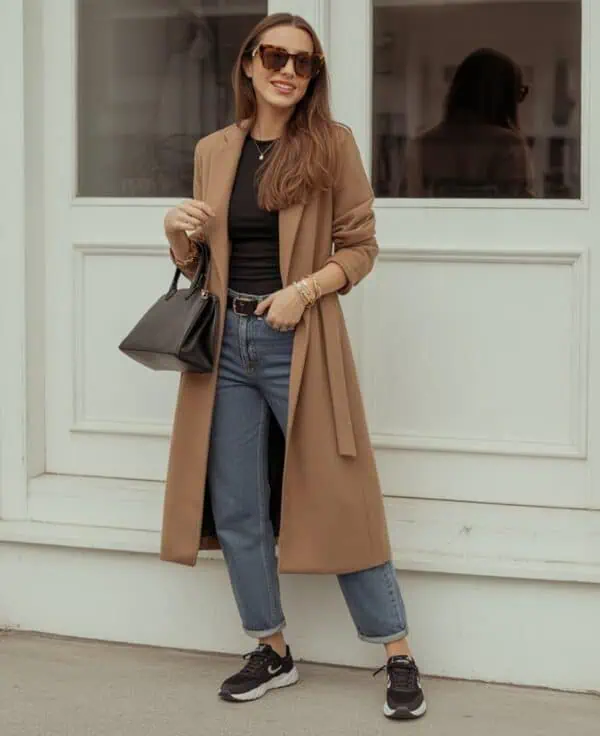
Soft, fluid fabrics feel comfortable and modern, but when everything in an outfit is drapey, it can lose definition. High end styling often balances softness with structure. A crisp blazer, a structured bag, or firm leather shoes ground lighter fabrics and give the outfit presence. The contrast between soft and structured textures creates a visual hierarchy that feels polished. Without it, outfits can read as casual or unfinished. Structure doesn’t have to mean stiff tailoring it can be as simple as a woven belt or a firm denim jacket. One anchored texture is enough to elevate the entire look.
3) Use Knits Strategically Instead of Head to Toe
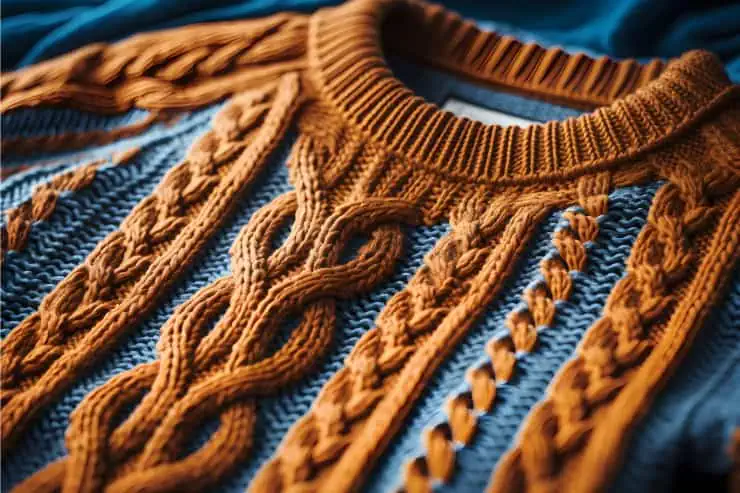
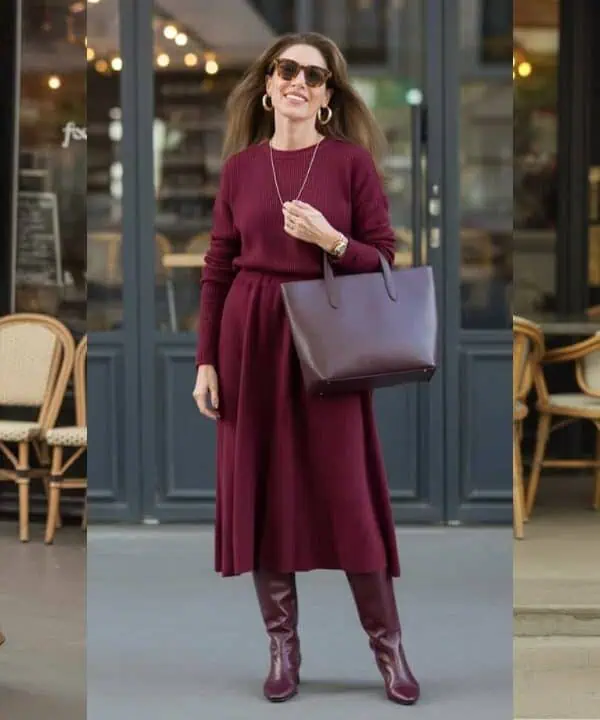
Knits are comfortable and versatile, but when overused, they can make an outfit feel lounge-adjacent rather than high end. The key is placement. A fine-gauge knit layered with woven trousers or a tailored skirt creates contrast and sophistication. Chunky knits work best when paired with sleeker fabrics to avoid bulk. High end outfits often use knits as a soft counterpoint rather than the foundation of every piece. Mixing knits with structured or crisp materials keeps the outfit feeling intentional and styled rather than cozy by default.
4) Let Leather or Faux Leather Add Depth, Not Drama
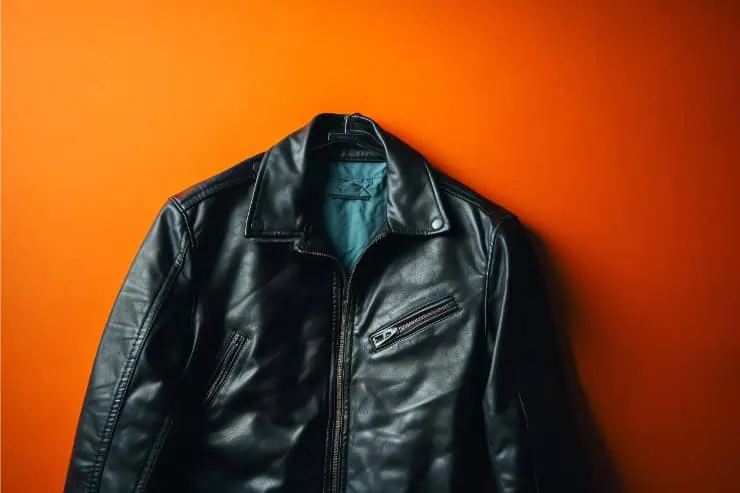
Leather is one of the fastest ways to add richness to an outfit, but it works best when used subtly. A leather belt, bag, or shoe introduces weight and texture without overwhelming the look. When leather is treated as an accent rather than a statement, it elevates even the simplest outfit. High-end styling often relies on small leather elements to add contrast against soft or matte fabrics. Overusing leather can make an outfit feel heavy or overly styled. Used sparingly, it adds depth, polish, and a tactile quality that reads expensive.
5) Combine Smooth and Napped Fabrics
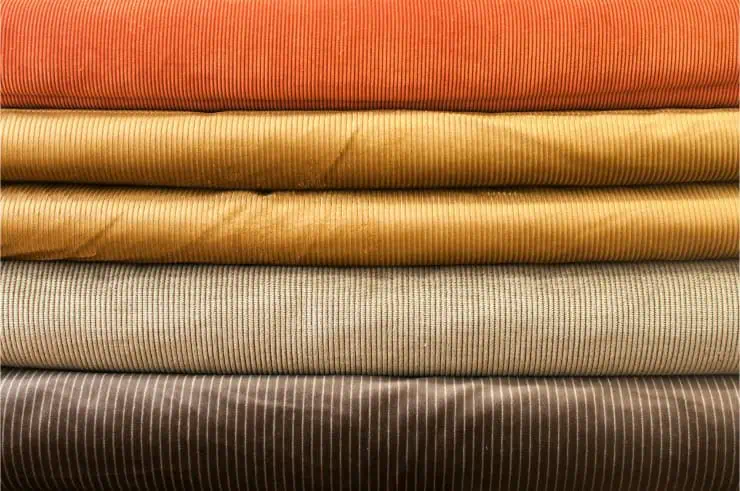
Napped fabrics like suede, brushed cotton, wool, or corduroy absorb light differently than smooth materials. Pairing them together creates instant dimension. A smooth silk blouse with wool trousers or a brushed jacket over a crisp shirt feels layered and thoughtful. This contrast is subtle but powerful. High-end outfits rarely rely on just one fabric texture; they mix surfaces that respond differently to movement and light. The result feels rich and dynamic, even when the color palette is simple. This technique is especially effective in neutral outfits, where texture does most of the visual work.
6) Pay Attention to Weight, Not Just Appearance
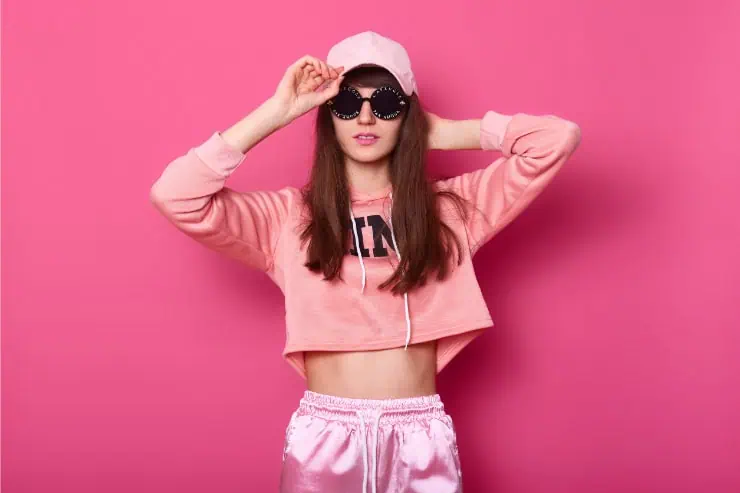
Texture isn’t only about how something looks it’s about how it behaves. Heavier fabrics drape differently and communicate quality immediately. Mixing light and heavy materials adds sophistication to simple outfits. A lightweight top paired with substantial trousers or a heavier skirt creates balance and intention. When all fabrics have the same weight, outfits can feel flat or flimsy. High end dressing often involves contrasting fabric weights to create structure and flow within the same look. Even inexpensive pieces can look elevated when their weights are balanced thoughtfully.
7) Use Accessories to Introduce Texture Without Changing Clothes
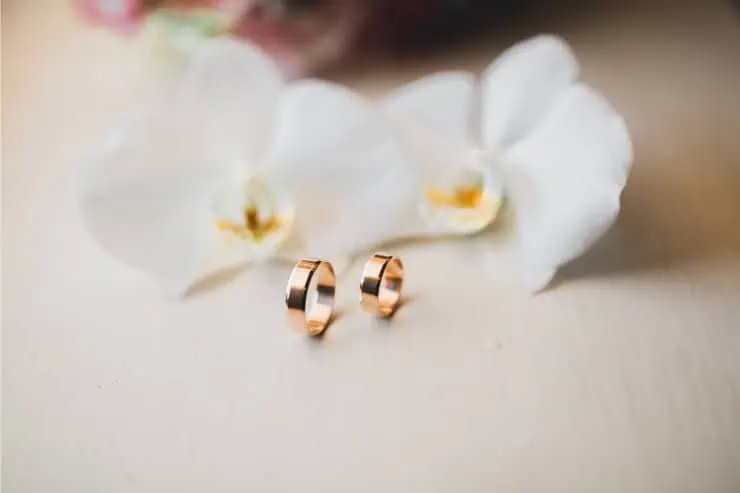
One of the easiest ways to add texture is through accessories. Woven bags, textured belts, suede shoes, or even a silk scarf can transform an otherwise plain outfit. Accessories allow you to introduce tactile interest without committing to bold clothing choices. High end outfits often rely on these subtle texture cues to signal polish. When accessories are chosen for texture rather than trend, they age better and elevate more outfits. One textured accessory is often enough to make a simple look feel intentional and complete.