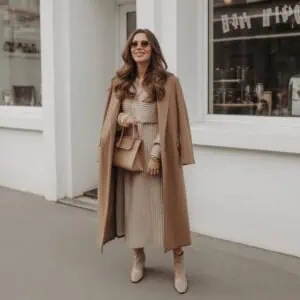
Staying warm in winter often feels like a tradeoff between comfort and style. Heavy layers, bulky knits, and practical footwear can easily overwhelm an outfit if they aren’t chosen thoughtfully. For women who want to feel cozy without looking weighed down, warmth needs to be built strategically rather than piled on randomly. Stylish winter dressing is less about wearing more and more about wearing smarter. The key lies in fabric choice, proportion, layering order, and finishing details. These seven approaches focus on maintaining a streamlined silhouette while ensuring real insulation. When warmth is intentional, outfits feel polished instead of cumbersome, allowing you to move through winter comfortably and confidently.
Table of Contents
1. Prioritize Quality Fabrics That Trap Heat
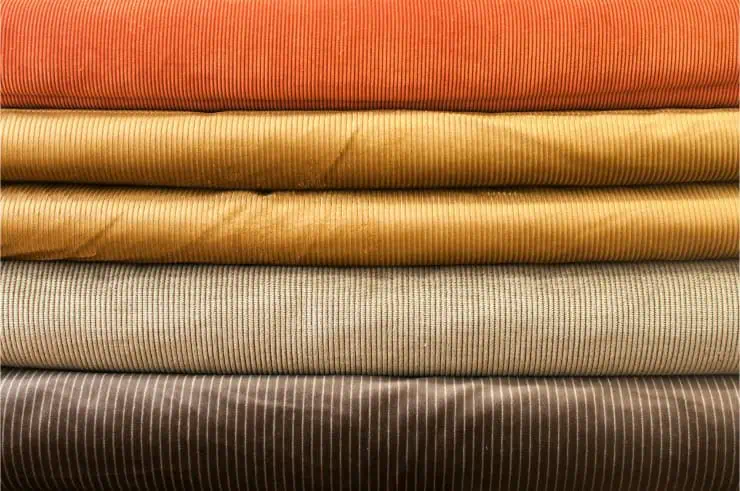
Looking stylish while staying warm begins with fabric selection. Natural fibers like wool, cashmere, alpaca, and merino are far more effective at retaining heat than synthetic alternatives. These fabrics insulate without adding excessive bulk, which keeps outfits looking refined rather than heavy. Cashmere knits, for example, provide warmth while maintaining a soft drape that flatters the body. Wool trousers and skirts hold heat while preserving structure. When fabrics do the work for you, fewer layers are required. This creates a cleaner silhouette and prevents outfits from feeling cluttered. Investing in high-quality materials makes winter dressing easier, warmer, and far more stylish overall.
2. Build Warmth from the Base Layer Up
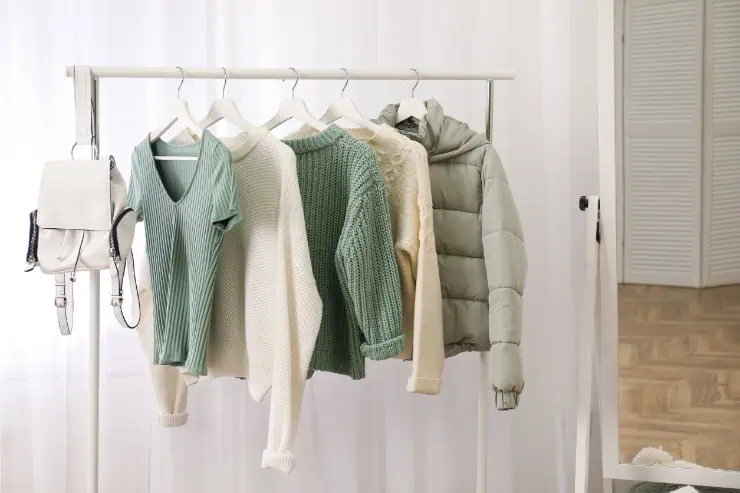
Stylish winter outfits start with what’s underneath. Thin, insulating base layers such as thermal tops or lightweight wool undershirts add warmth without altering the appearance of the outfit. When warmth is built close to the body, outer layers can remain streamlined and intentional. This approach allows you to wear tailored coats, refined knits, and structured trousers without bulk. Base layers also improve comfort throughout the day by regulating temperature rather than overheating. Women who dress warmly and stylishly often rely on this hidden foundation. It allows outfits to look polished while still providing the insulation needed for cold weather.
3. Choose Longer Silhouettes for Natural Insulation
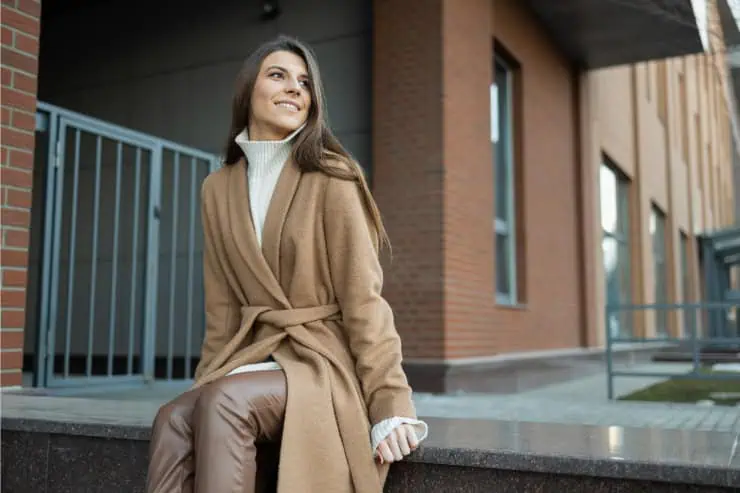
Length plays a major role in warmth. Longer coats, midi skirts, and full-length trousers provide more coverage and reduce heat loss. A long coat, in particular, creates a sleek vertical line while keeping the body protected from wind and cold. Midi skirts paired with boots offer both elegance and insulation. Longer silhouettes also help outfits feel intentional and balanced. Shorter pieces often require additional layers to compensate for warmth, which can disrupt proportions. By choosing longer lengths, you achieve both style and function naturally. This approach keeps winter outfits refined while ensuring genuine warmth.
4. Layer Strategically, Not Excessively

Effective layering is about order, not quantity. Each layer should serve a purpose insulation, structure, or protection. Start with a fitted base, add a warm middle layer such as a knit or vest, and finish with a coat that blocks wind. Avoid layering multiple bulky items that compete visually. Strategic layering creates clean lines and prevents outfits from appearing heavy. Women who master winter style understand that fewer, better-chosen layers outperform excessive ones. This method keeps the outfit cohesive, warm, and visually streamlined, proving that warmth doesn’t require sacrificing style.
5. Use Accessories to Seal in Heat

Accessories are essential for warmth and can elevate an outfit instantly. Scarves, gloves, and hats prevent heat from escaping while adding polish and personality. A wool scarf wrapped close to the neck offers insulation and softness near the face. Leather gloves lined with cashmere or fleece provide warmth without bulk. Structured hats maintain elegance while protecting against cold air. When accessories are chosen intentionally, they feel like part of the outfit rather than an afterthought. This approach allows women to stay warm while enhancing the overall look, rather than detracting from it.
6. Select Footwear That Combines Insulation and Style
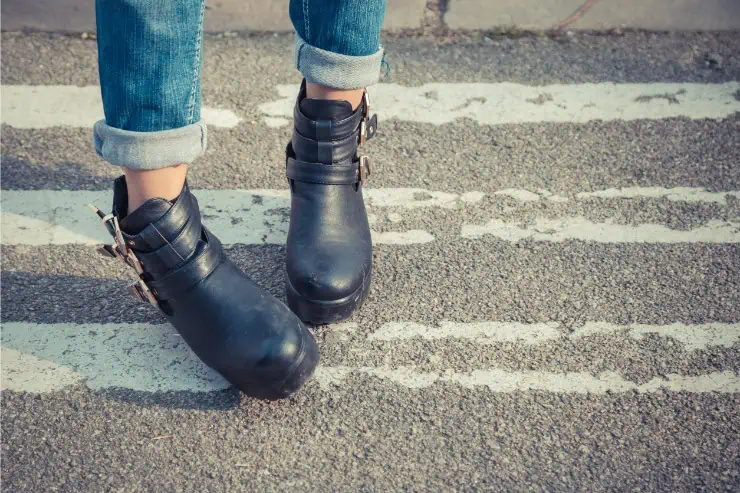
Cold feet can ruin even the most stylish outfit. Footwear that offers insulation, grip, and structure is essential in winter. Leather boots with lined interiors provide warmth while maintaining a polished appearance. Sleek ankle boots or knee high styles protect against cold without looking utilitarian. Avoid thin soles or overly delicate shoes that allow cold to seep in. Well-chosen winter footwear anchors the outfit and supports comfort throughout the day. When shoes are both practical and refined, outfits feel intentional from head to toe, reinforcing a stylish winter look.
7. Finish with Structure to Balance Bulk

Warm clothing often adds volume, which makes structure essential. Tailored coats, belted layers, and defined shoulders help counteract the softness of knits and insulation. Structure provides shape and keeps the outfit from looking shapeless. Even relaxed winter looks benefit from one structured element to anchor the silhouette. This balance ensures warmth doesn’t overwhelm the overall appearance. Women who stay stylish in winter understand that structure brings clarity. It allows cozy pieces to look deliberate rather than heavy, creating outfits that feel both comfortable and visually polished.